
Last updated November 24, 2026
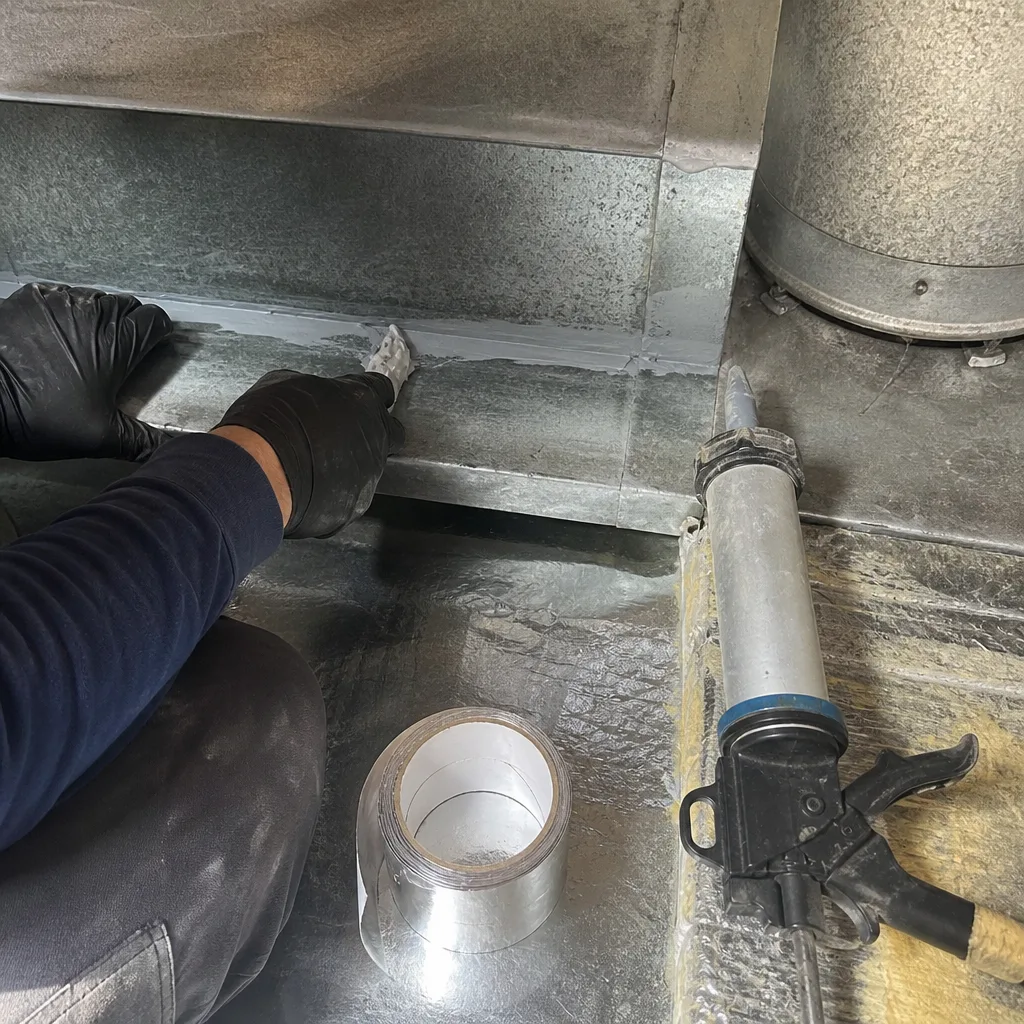
 Whole-home duct cleaning
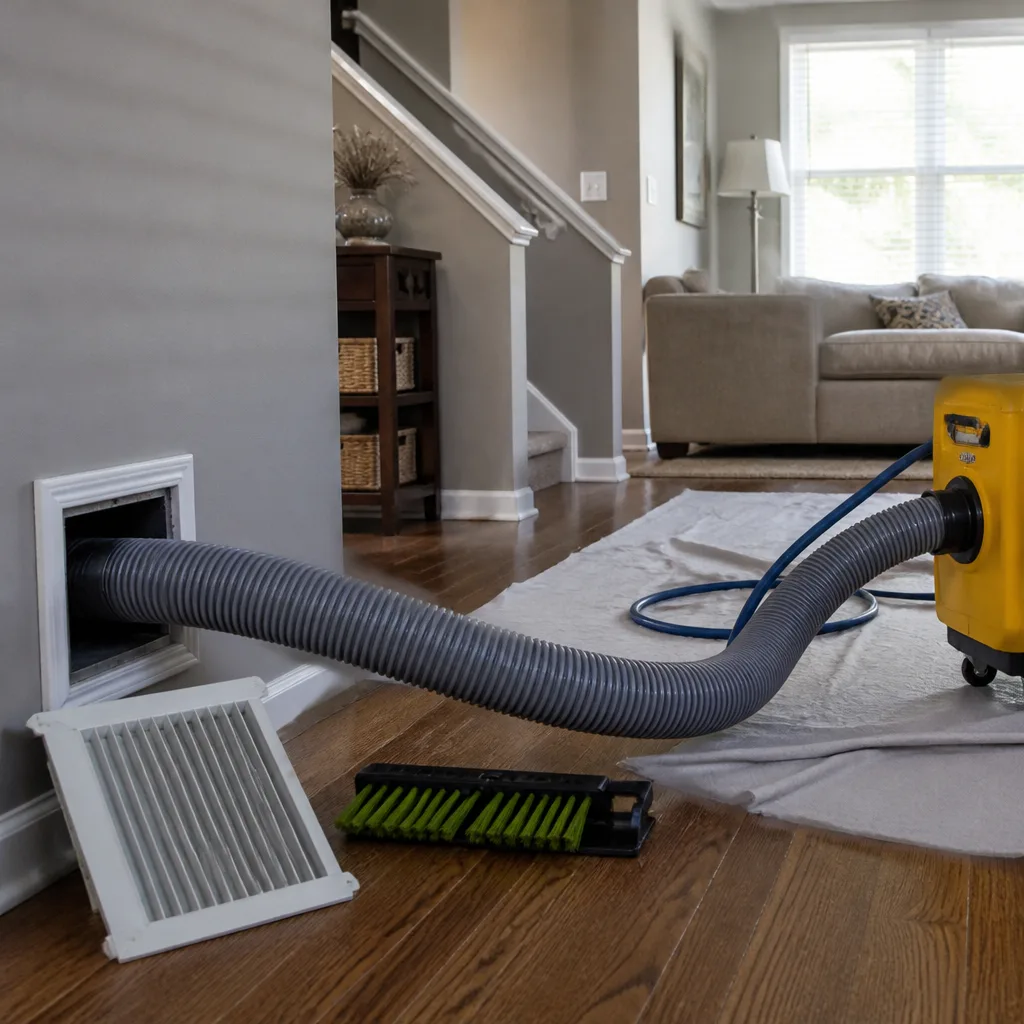
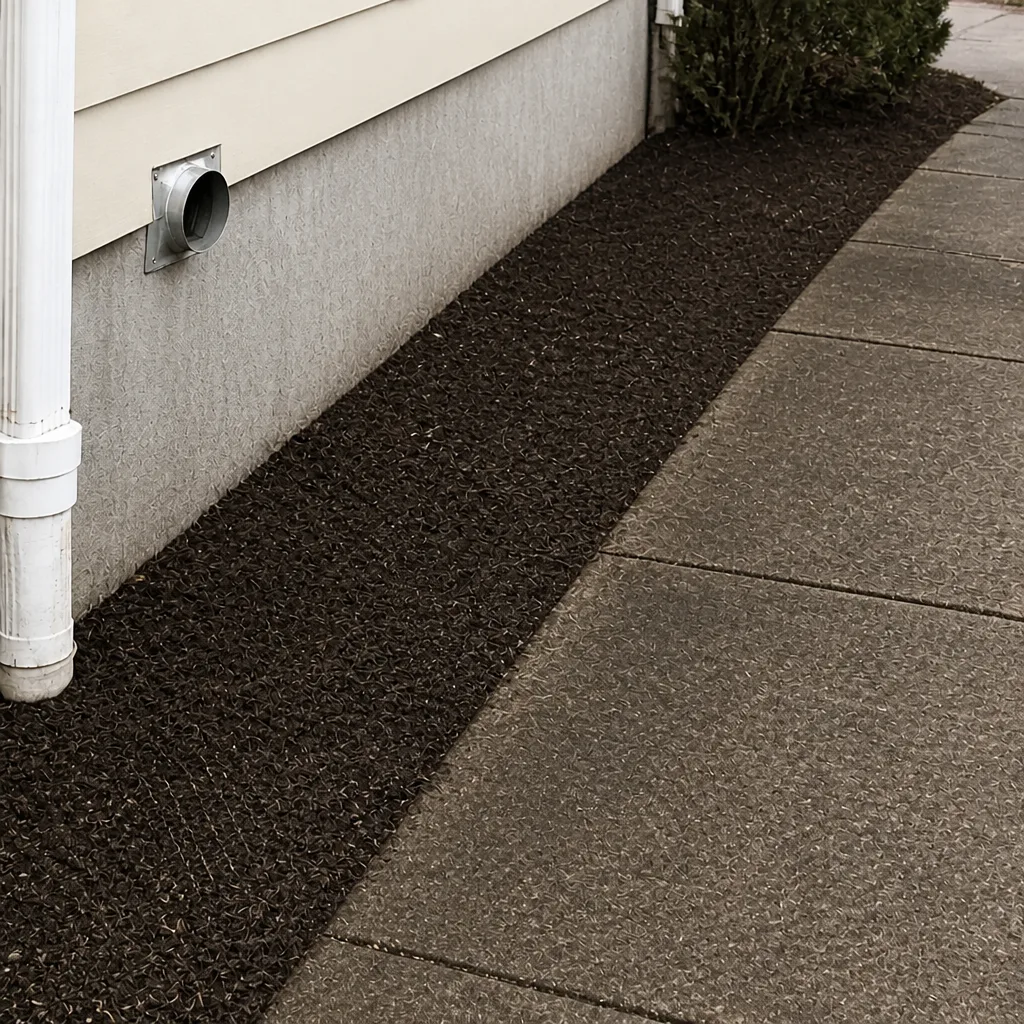
 Dryer vent cleaning
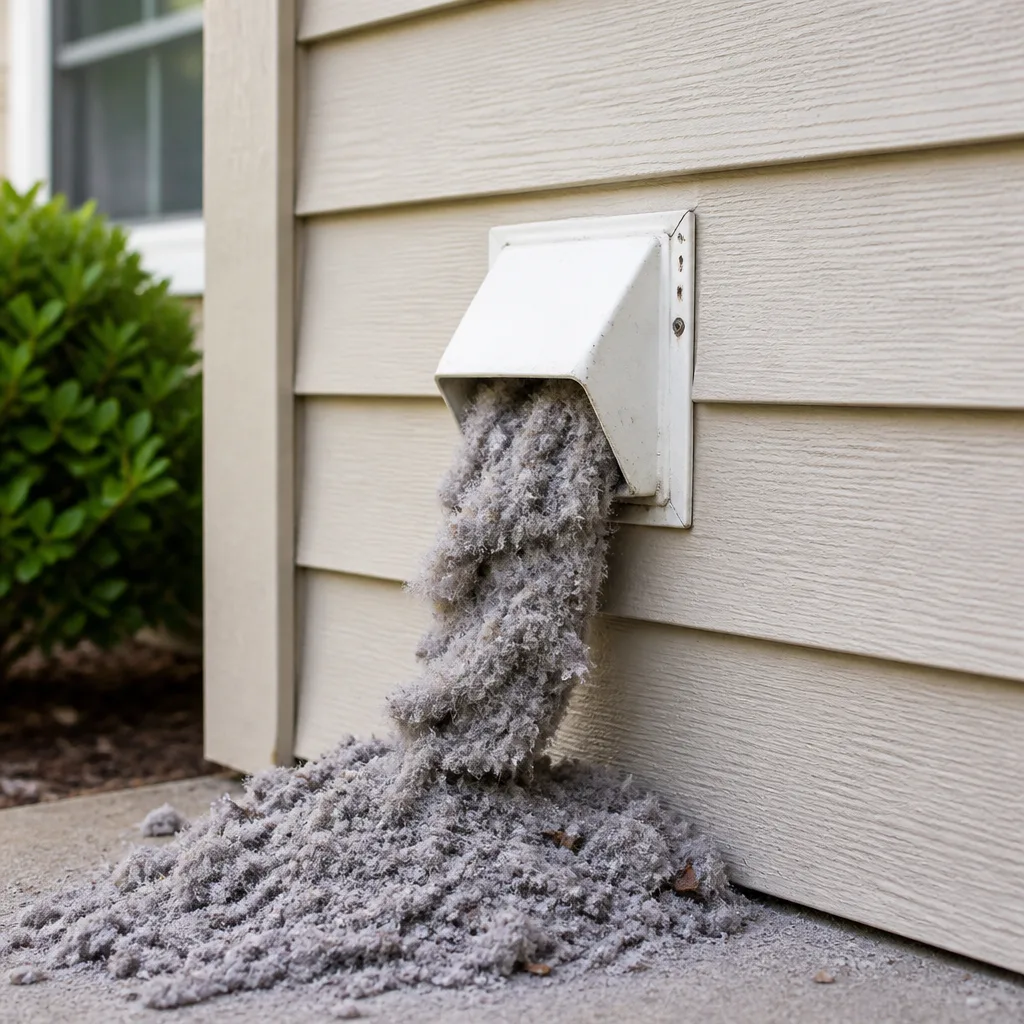
 Camera inspection
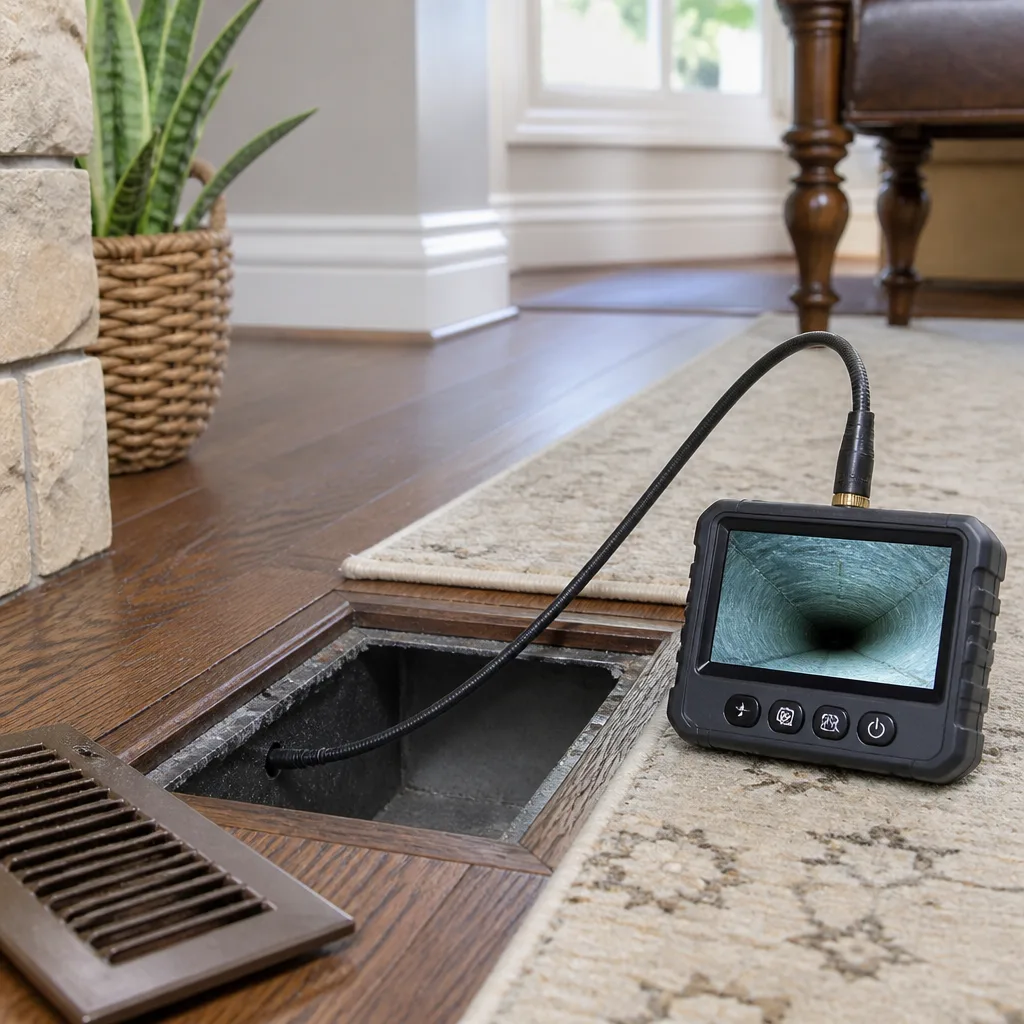
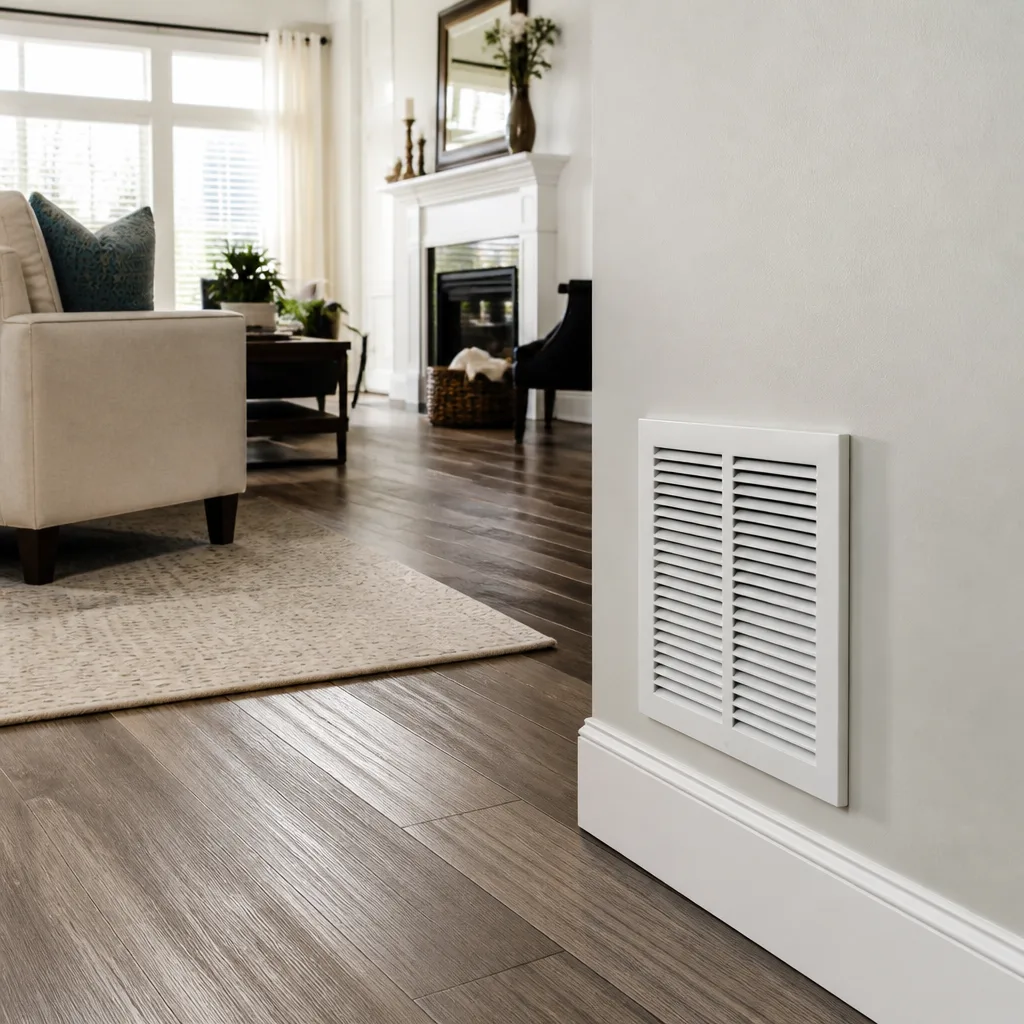 Sanitizing & deodorizing
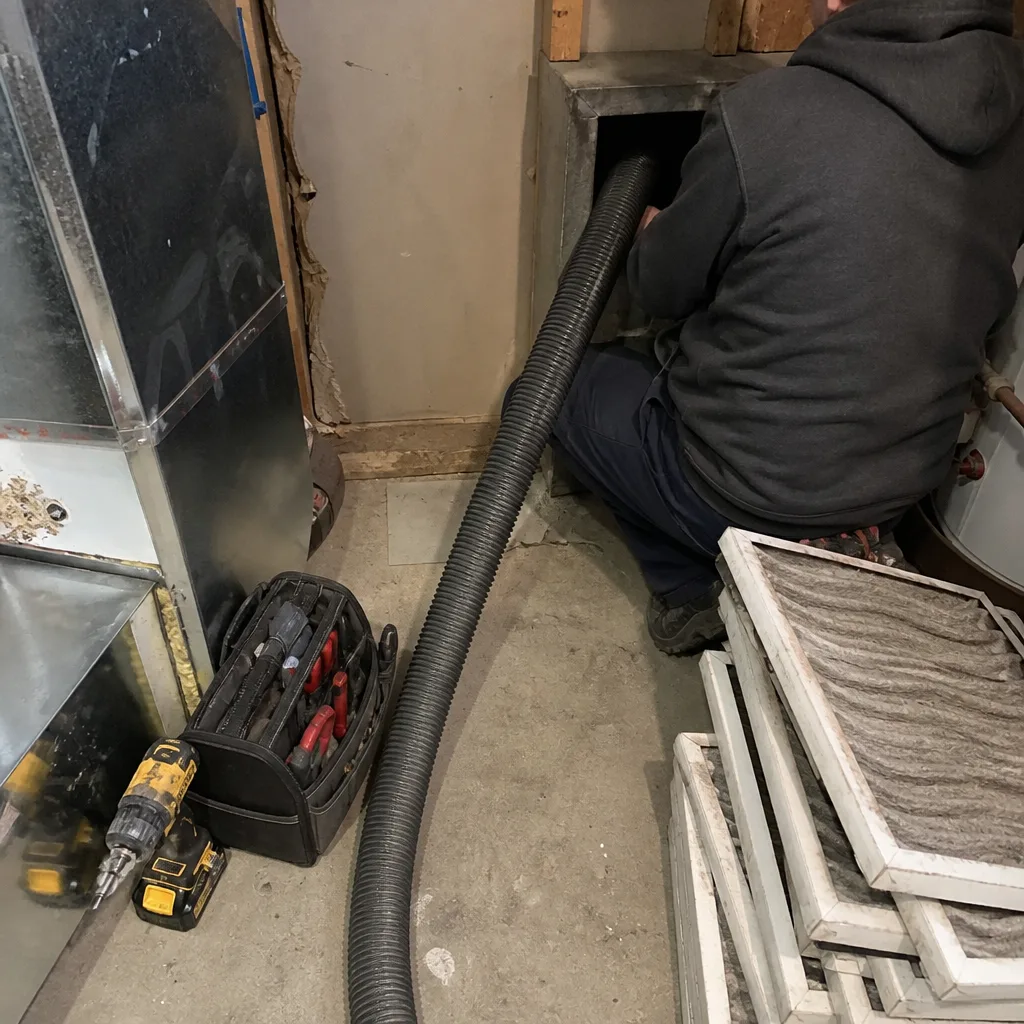
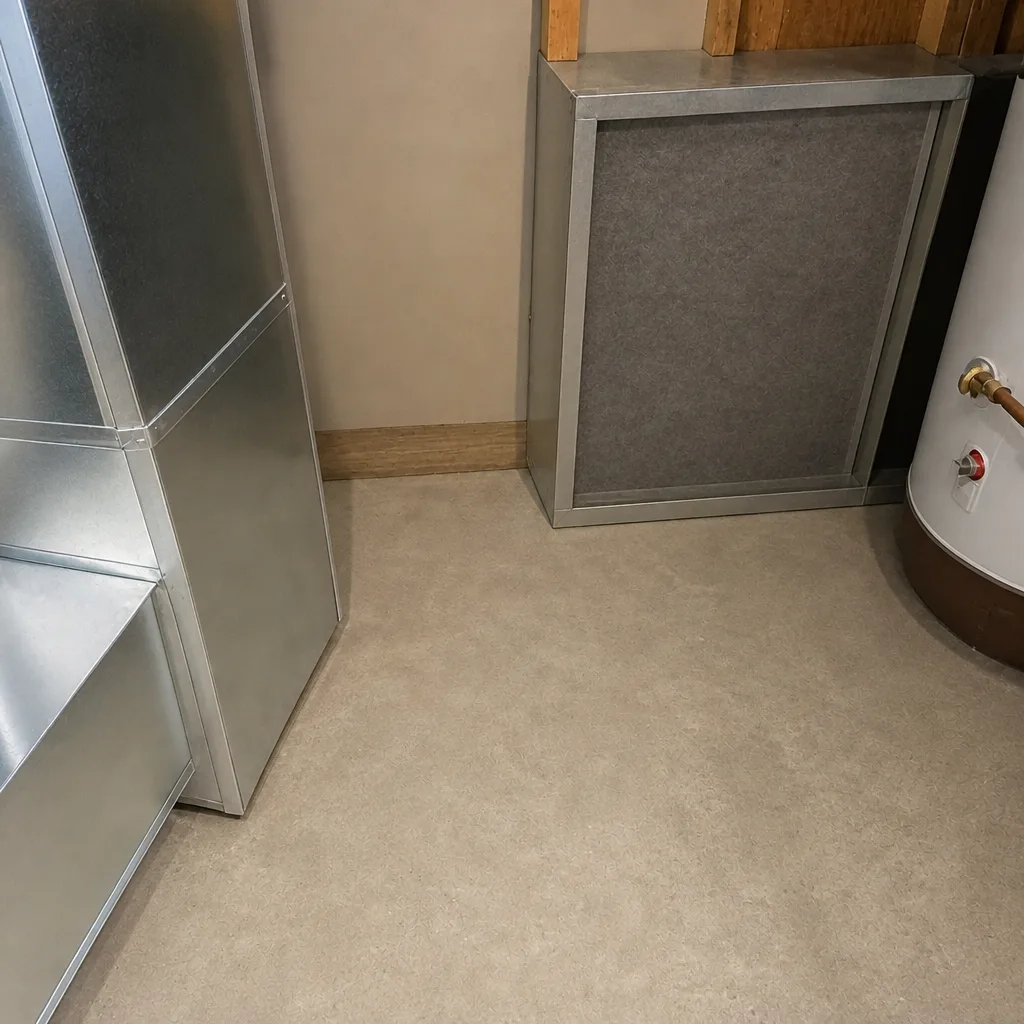
Whole-system duct and dryer vent check with before-and-after photos - you see exactly what came out of your vents
That "$99 whole-house special" is a bait ad - the real number appears once they are in your hallway, or the "clean" is a shop-vac at the register. We photograph the inside of your ducts before and after instead.
How to Hire an Air Duct Cleaning Contractor in Orem: A Step-by-Step Guide
A $99 duct cleaning coupon in Orem and a $400 professional service can look identical on paper. The difference shows up in your HVAC performance data six months later, not on the invoice. Utah doesn’t require a universal license for duct cleaning, so the screening work falls on you: the homeowner with a system full of debris and no way to tell a real extraction operation from a vacuum-and-leave crew. This guide gives you a vetting framework built around equipment, process disclosure, and documentation. Price and star ratings come last, because they tell you the least about whether the job gets done right.
Quick Answer
Hire an air duct cleaning contractor in Orem by asking five process questions before you book: how they access the system, what negative-pressure equipment they run, what brush type they use, what sanitization protocol they follow, and how they verify the work afterward. A qualified contractor answers all five without hesitation, walks your home before quoting, and hands you before-and-after photos plus a written scope at completion. Reviews and price are tiebreakers, not screening criteria.
Styles & brands we work with
- Whole-home duct cleaning
- Dryer vent cleaning
- Camera inspection
- Sanitizing & deodorizing
Table of Contents
- Why Utah’s Licensing Gap Changes How You Hire
- The Five Process Questions to Ask Before Booking
- Equipment: What Separates Extraction From Vacuuming
- What NADCA Membership Actually Certifies (and What It Doesn’t)
- Red Flags Specific to Orem and Utah County Contractors
- How to Compare Quotes Accurately
- What Documentation to Demand at Job Completion
- Common Mistakes to Avoid
- When to Call a Professional
- Frequently Asked Questions
Why Utah’s Licensing Gap Changes How You Hire
Utah doesn’t issue a statewide license specifically for air duct cleaning. That single fact reshapes the entire hiring decision. In trades like electrical or plumbing, a license number gives you a baseline to check. For duct cleaning in Orem, no such baseline exists. Anyone with a shop vacuum and a business card can advertise.
This doesn’t mean credentials are meaningless. It means credentials come in different forms, and you have to know which ones to look for. A contractor who voluntarily invests in industry-standard equipment and follows published cleaning standards is signaling something a license would normally signal: accountability.
Two practical steps close most of the gap:
- Verify general liability insurance and workers’ compensation directly with the contractor’s insurer. Ask for a certificate of insurance and call the number on it. A legitimate Orem contractor expects this question and answers it without friction.
- Confirm the business registration with the Utah Division of Corporations. A registered entity with a real business address gives you recourse if something goes wrong.
Beyond paperwork, watch how the contractor talks about the work. Vague scope language (“we’ll clean everything out”) is the tell. Specific scope language (“we’ll run negative pressure from the main trunk, rotary-brush each branch line, and HEPA-vacuum the plenum and blower compartment”) is what a real technician sounds like when they aren’t reading from a script.
The homeowner’s job in Orem isn’t to become a duct cleaning expert. It’s to ask questions specific enough that a non-expert can’t fake the answers. The next sections give you those questions.
The Five Process Questions to Ask Before Booking
Ask these five questions on the phone, before anyone comes out. A qualified contractor answers all five clearly. A vacuum-and-leave operation stalls, deflects, or changes the subject. The answers matter more than the price they quote you afterward.
1. How do you access the system?
Proper access means cutting and resealing access ports at strategic points along the ductwork, not just pulling register grilles and reaching in. Some ducts have existing access panels; others need ports created. The contractor should describe where they’ll cut, how many ports they’ll need, and how they seal them afterward. If the answer is “we just go through the vents,” you have your answer about the depth of the cleaning.
2. What’s your negative-pressure source?
This is the single most important equipment question. Negative pressure means a high-powered vacuum hooked to the main trunk pulls the entire system into a vacuum while technicians dislodge debris upstream. Without it, loosened dust just resettles elsewhere. Ask what machine they use and where it connects. Nikro negative-air units are one example of equipment built for this purpose.
3. What brush type do you use?
Rotary brushes physically scrub duct walls; compressed air alone only moves loose debris. Ask whether they run rotary-brush systems and what size and stiffness of brush they use for different duct materials. Flexible duct liner and sheet metal respond differently, and a contractor who knows the difference will tell you so. Rotobrush rotary-brush systems are the platform many NADCA-standard professionals use nationwide.
4. What’s your sanitization protocol?
Sanitizing is not standard with every cleaning, and it shouldn’t be. Ask what product they apply, under what conditions they recommend it, and whether they seal or coat duct interiors afterward. Guardsman treatment products cover both sanitizing and protective coating. A contractor who offers sanitization as an optional add-on with a specific product name is more credible than one who throws it into the price without explanation.
5. How do you verify the work afterward?
Ask what proof you’ll receive. Before-and-after photos from inside the ductwork, a written summary of what was cleaned and what products were applied, and confirmation of the square footage or linear footage treated. If the contractor’s answer is “you’ll be able to tell by the smell,” push back. Verification is documented, not felt.
We ask these questions of our own process every time we book a job in Orem, because the answers are what distinguish a full-system cleaning from a surface pass. When you call Orem Air Duct Cleaning, expect the same questions turned back on the system you’re describing.
Equipment: What Separates Extraction From Vacuuming
The duct cleaning industry runs on two very different equipment tiers, and the visual difference on the invoice is minimal. Understanding the equipment gap is how you tell them apart.
- Rotary-brush systems agitate and scrub duct walls mechanically. Rotary brushes spin against the surface and break loose debris bonded to the interior, which a straight vacuum can’t reach.
- Negative-air machines capture dislodged debris at the source. They create a pressure differential across the system so loosened material flows into the collection unit instead of into your living space.
- HEPA filtration units handle the exhaust side. Abatement Technologies HEPA equipment meets contamination-control standards used in remediation and restoration work, which matters when a system is heavily soiled or has had water intrusion.
- Surface vacuums are the lower tier. A shop-grade vacuum pulled through the registers removes what’s loose near the opening and leaves the rest.
Ask the contractor to name their equipment by brand and model. If they can, they’ve invested in it and they know what it’s for. If they can’t, the machine on their truck is probably a step above a household vacuum and a step below what a full cleaning requires.
Orem homes in neighborhoods like Sunset Heights and the Cherry Hill area tend to have forced-air systems running continuously through dry summers and cold, inversion-heavy winters. That duty cycle builds up fine dust faster than a coastal climate would. Equipment rated for residential duct cleaning handles the volume; a surface vacuum doesn’t. Orem’s winter inversions also trap particulates in the valley air, and a system that’s pulling in outside air along with recirculated indoor air will accumulate more material than a system in a cleaner air basin.
For the cleaning itself, our approach is to run negative pressure from the main trunk while rotary-brushing each branch from the inside out. From the return air intake to the supply registers, we clean the full system, and the HEPA unit is on the exhaust the whole time. That process shows up in the equipment list. A quote that describes equipment is more credible than one that leads with a price.
What NADCA Membership Actually Certifies (and What It Doesn’t)
NADCA, the National Air Duct Cleaners Association, publishes the industry standard for how duct cleaning should be done. Membership signals that a contractor has agreed to follow that standard. It doesn’t certify that every job they run will meet it.
Here’s what NADCA membership actually tells you:
- The contractor has access to the ACR (Assessment, Cleaning, Restoration) standard, which defines what a legitimate cleaning involves.
- The contractor has made a public commitment to the association’s code of ethics.
- The contractor is likely to answer process questions in NADCA terminology, because they’ve been trained on it.
Here’s what NADCA membership does not tell you:
- It doesn’t verify the contractor’s equipment is functional on the day of your job.
- It doesn’t guarantee the technician who shows up is the one with the training.
- It doesn’t replace insurance verification or the five process questions.
Treat NADCA membership as a floor, not a ceiling. It narrows the field. It doesn’t finish the screening. A contractor without membership can still do a clean, competent job, and a member can still cut corners. The questions you ask on the phone are the real test. Membership just tells you the contractor knows the vocabulary they’re supposed to answer with.
For Orem homeowners, the practical move is to ask whether the contractor follows the NADCA standard, regardless of membership status. A contractor who knows the standard by name and can describe how it applies to your system is signaling the right kind of competence.
Red Flags Specific to Orem and Utah County Contractors
Some red flags are universal to the trade. Others show up more often in Utah County’s fast-growing market, where demand for housing and services has outpaced the supply of established, accountable contractors. Watch for these:
- Vague scope language. “We’ll blow out the vents and sanitize the system” tells you nothing. You want a description of access points, negative pressure, and brush type. If the contractor can’t name those, they probably don’t run them.
- No pre-job walkthrough. A legitimate contractor walks the home before quoting. They look at the furnace, the return air setup, the number of registers, and the condition of the ductwork. A phone quote without a walkthrough is a guess dressed up as a price.
- Refusal to show equipment. On the day of the job, ask to see the vacuum and the rotary brush before work starts. A contractor who brushes the question off is hiding something. A real technician shows you the machine without being asked twice.
- Door-to-door pitches. Duct cleaning sold door-to-door in Orem subdivisions is almost always the low-ball tier. The pricing model depends on upsells once the technician is inside.
- Sanitizing without explanation. If sanitization is bundled into the price without a product name or a reason, ask why. Mold remediation and routine sanitizing are different services with different products. A contractor who can’t explain the difference shouldn’t be spraying anything inside your ducts.
- No written estimate. Every price should be on paper before the work starts. Verbal prices have a way of growing once the equipment is unloaded.
- Pressure to decide on the spot. A contractor with a full schedule doesn’t need to close you in the driveway. Urgency is a sales tactic, not a service characteristic.
These red flags are more reliable than any review site. Reviews can be gamed. A contractor who can’t answer “what negative-pressure equipment do you run” on the phone can’t be fixed by any star rating.
How to Compare Quotes Accurately
Two quotes for the same home can arrive at wildly different totals for the same scope. The pricing structure hides what matters. Here’s how to read the difference.
Line-item scope versus flat-rate pricing
A line-item quote breaks the job down: cleaning the main trunk, each branch run, the blower compartment, the return air ducting, sanitizing if included, and any repair or sealing needed. Flat-rate pricing gives you one number for “duct cleaning” with no breakdown.
Neither is inherently dishonest, but line-item scope tells you more. It tells you what the contractor thinks the job actually involves, and it lets you compare apples to apples across quotes. If one quote says “clean 14 registers” and another says “clean 8 registers,” you know which one is doing less. Flat-rate pricing hides that difference.
What the low quote leaves out
A quote well below the rest usually excludes at least one of the following:
- Negative-pressure extraction from the main trunk
- Rotary brushing (replaced with compressed air only)
- The blower compartment and plenum
- Return air ducting (cleaning supplies only)
- Access port cutting and resealing
- Post-service photos and documentation
A legitimate flat rate bundles all of it. A low cost per register usually means one of those items got cut. Ask what’s excluded before you compare the numbers, because the totals will not be comparable otherwise.
What to ask before signing
- Is the price for the whole system or per register?
- Does it include negative pressure from the main trunk?
- Does it include the blower and plenum?
- Does it include return air ducting?
- Are access ports cut and resealed, and is that included?
- Is sanitization included, optional, or separate?
- What documentation do we receive at completion?
The highest total on paper is sometimes the lowest total in reality, because it includes the scope a cheaper quote leaves for a second visit. For Orem homeowners, that second visit isn’t just an inconvenience. It’s a second day of disruption and a second chance for a low-ball quote to escalate.
What Documentation to Demand at Job Completion
Documentation is the difference between a job that was done and a job you have to take on faith. A legitimate contractor should hand you the following at completion, without having to be asked:
- Before-and-after photos from inside the ductwork. Every branch line and the main trunk. Photos are time- and location-stamped on the technician’s device, which is harder to fake than a written claim.
- Total footage cleaned. Either square footage of duct surface or linear footage of duct run, depending on how the contractor measures. The number should be specific and it should match what was discussed in the pre-job walkthrough.
- A list of products applied. If sanitization or coating was performed, the product name and application area. Guardsman products, for example, cover both sanitizing and protective coating of duct interiors, and the documentation should say which was used and where.
- Confirmation of access ports cut and resealed. Number of ports, locations, and how they were sealed afterward.
- A written summary of findings. If the contractor saw damaged duct liner, disconnected joints, or moisture intrusion, this should be in writing, with a recommendation for repair or sealing.
Ask on the front end what documentation is included. A contractor who says “photos and a written summary at the end” is telling you they run the job the same way every time. A contractor who shifts the subject when you ask is telling you something else.
If a contractor finds damaged ductwork during the cleaning, the recommendation should be specific: where the damage is, what it looks like, and what the repair involves. Duct repair and sealing stop the problem at the source: dirty air infiltrating through gaps and unsealed joints. Cleaning without repairing those gaps is a partial fix. For Orem homeowners with older ductwork or systems installed before the area’s newer subdivisions went up, sealing is often the step that turns a cleaning into a real improvement in airflow and energy use.
Common Mistakes to Avoid
- Booking based on the price on the postcard. A coupon price and a real price are different things. The postcard price usually covers a surface pass and arrives at your door with an upsell menu. Ask for a written scope before you commit to any price.
- Skipping the pre-job walkthrough. Every legitimate quote for duct cleaning in Orem starts with someone walking the home. If the contractor quotes over the phone and never looks at the system, they’re guessing at your scope and will adjust the price later.
- Confusing sanitizing with cleaning. A spray-down doesn’t remove debris; it just coats it. Sanitizing is an optional step after a proper cleaning, and a contractor who leads with sanitizing without mentioning extraction is selling the wrong service first.
- Ignoring the return air side. Many cheap cleanings cover supply registers and skip the return air ducting entirely. Ask specifically whether the return side is included, because it’s half the system and often the dirtier half.
- Not asking about negative pressure. Without it, the debris goes back into the air rather than out of the system. A contractor who can’t describe their negative-pressure equipment is running the lower-tier version of the job.
- Skipping the finished documentation. If you don’t get before-and-after photos and a written scope at the end, you have no way to verify what was done. Ask on the front end, and don’t accept “we don’t usually do that” as an answer.
- Choosing a contractor by reviews alone. Reviews measure customer satisfaction, not technical competence. A contractor with a perfect rating and a shop vacuum is a worse hire than a contractor with a solid rating and a Rotobrush system. The equipment and process questions matter more than the star average.
When to Call a Professional
Some signs mean schedule a cleaning; others mean call today. Call a professional for air duct cleaning if you’re seeing visible dust blowing from the registers when the system kicks on, if a musty or stale smell lingers in the house regardless of the season, if allergy symptoms flare up indoors while the HVAC runs, or if you’ve recently finished a remodel that generated drywall dust or sawdust. Call sooner if you’ve had water intrusion into the ductwork or a rodent or pest issue that left debris behind: those cases need cleaning plus a sanitizing or sealing step, and cleaning alone won’t fix the underlying problem.
Dryer vent cleaning is a separate safety call. If your dryer takes two cycles to dry a load or the vent flap outside doesn’t open fully during a cycle, schedule dryer vent cleaning and don’t put it off. Lint buildup is a fire hazard, and it accumulates faster in homes with long vent runs, which describe a lot of Orem’s newer construction.
Orem Air Duct Cleaning offers free estimates in Orem. Call (855) 726-7143. We answer 24/7. Fast dispatch from 7am to 7pm, Sunday through Friday.
Frequently Asked Questions
Air duct cleaning in Orem typically runs in the range a full-system cleaning commands for a residential home, and the written estimate sets the final price. Prices vary by system size, number of registers and branch runs, accessibility of the ductwork, and whether sanitizing, sealing, or repair is included. Expect a legitimate quote to be a whole-system price, not a per-vent number. Call (855) 726-7143 for a free estimate; we’ll walk the system before we quote.
Utah doesn’t issue a statewide license specifically for air duct cleaning, so there’s no license class to look up the way there is for electrical or plumbing. That puts the vetting responsibility on the homeowner. Verify general liability insurance and workers’ compensation directly with the contractor’s insurer, confirm business registration with the state, and ask the five process questions before booking a job in Orem.
Ask five specific questions: how they access the system, what negative-pressure source they use, what brush type they run, what sanitization protocol (if any) they follow, and how they verify the work afterward. A qualified contractor answers all five without hesitation. A contractor who dodges any of them is signaling that the job won’t cover the scope those questions describe.
Most homes in Orem do well with a cleaning every few years, but the interval depends on the system, the household, and local conditions. Households with pets, allergy sufferers, recent remodels, or heavy dust exposure benefit from more frequent cleanings. Homes with water intrusion or pest issues need cleaning sooner. Ask a contractor to assess the system directly rather than scheduling on a fixed timeline.
Cleaning removes debris from inside the ductwork. Sealing closes the gaps and unsealed joints that let dust, unconditioned air, and contaminants infiltrate the system after cleaning. They solve different problems, and the combination usually produces more improvement than either alone. Duct repair and sealing stop the problem at the source: dirty air infiltrating through gaps and unsealed joints. Ask which one your system actually needs.
You don’t need to leave the house, and most Orem homeowners stay during the job. That said, staying out of the working areas while the negative-pressure machine is running keeps you clear of the process and out of the technician’s path. If the system is heavily soiled or sanitizing is being applied, the contractor may recommend staying out of the work zone for an hour after cleaning, and that guidance should come with the job.
The Bottom Line
Hiring an air duct cleaning contractor in Orem comes down to process questions, not price or reviews. Ask how they access the system, what negative-pressure equipment they run, what brush type they use, whether sanitizing is part of the job or an add-on, and what documentation you get at completion. Verify insurance and business registration. Compare line-item scope, not flat quotes. A contractor who answers all of that without hesitation is worth the higher price; one who dodges the questions is worth none of it, no matter what the coupon says. When you’re ready to talk through your system, HVAC cleaning is one of the services we can walk you through on the phone before we ever quote a number.
Written by the team at Orem Air Duct Cleaning.
See the difference
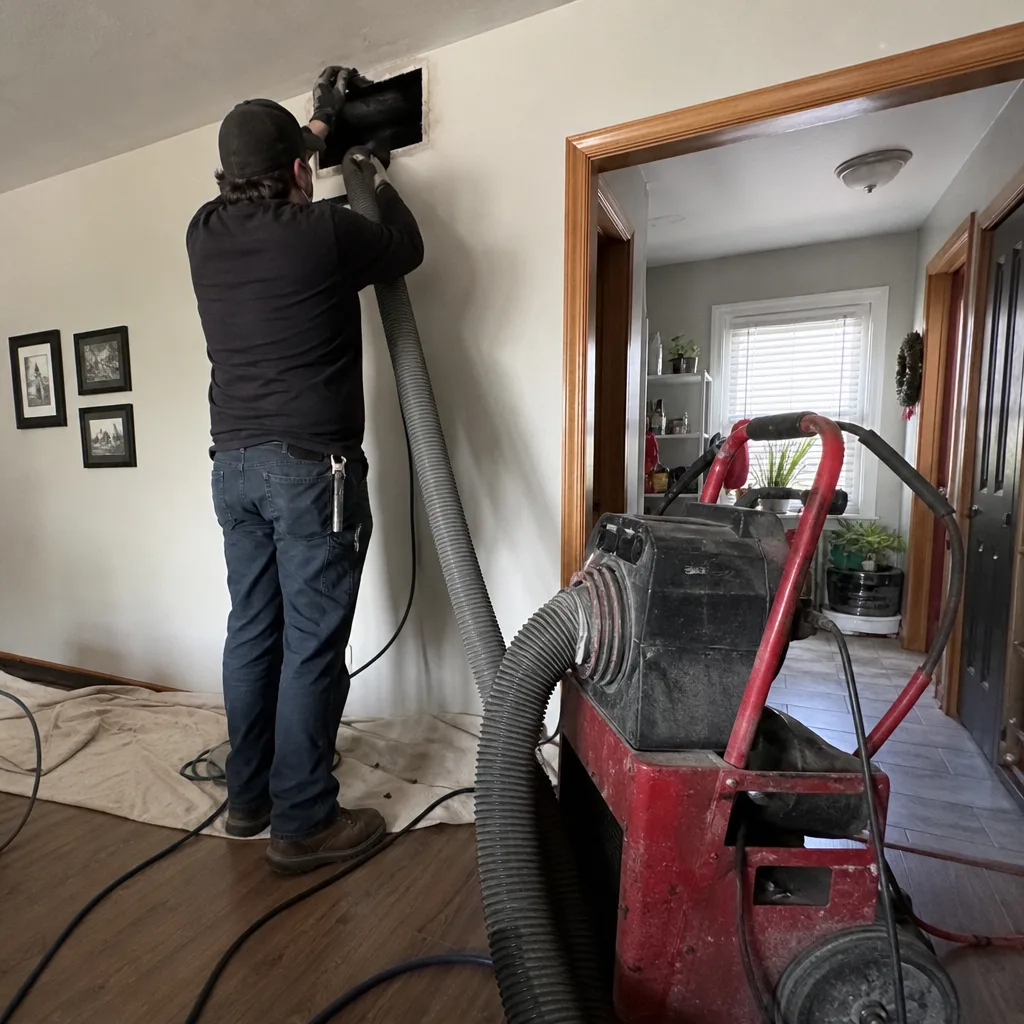 Before
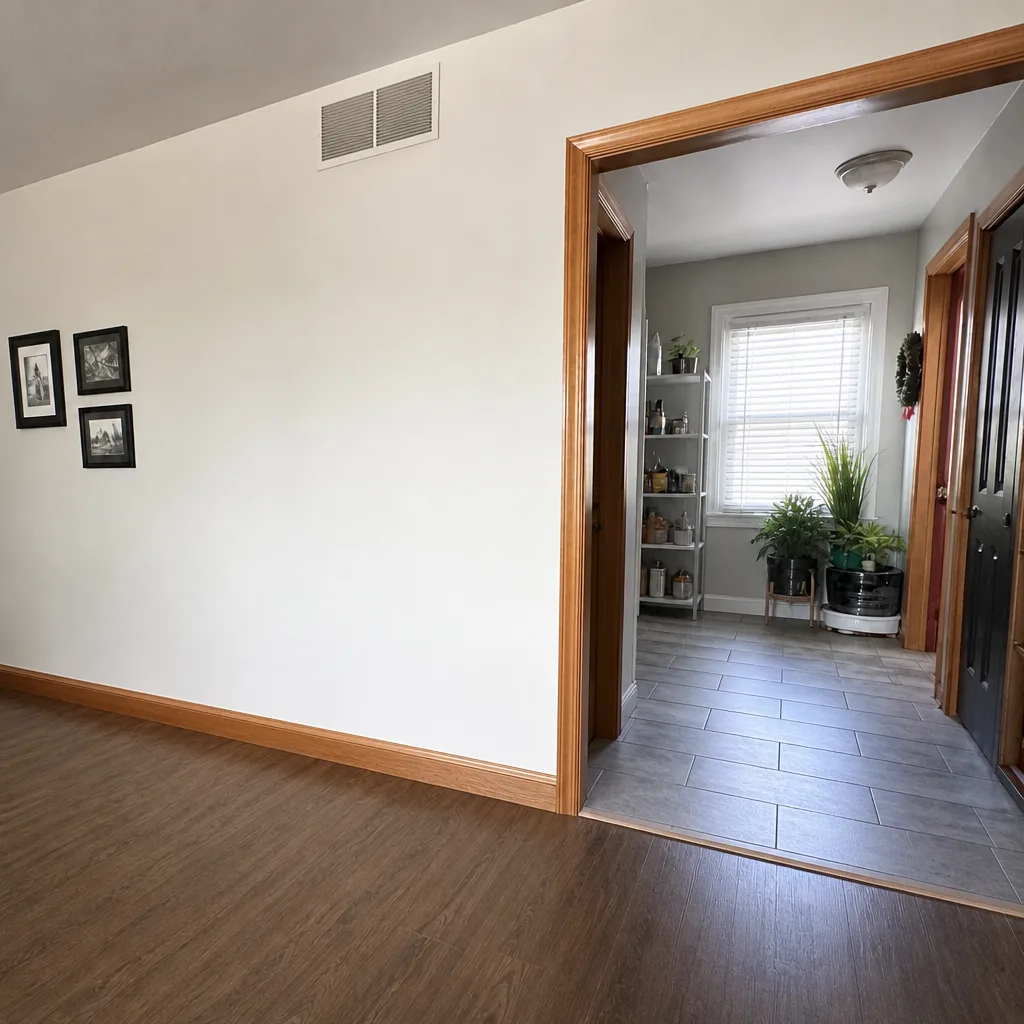 After
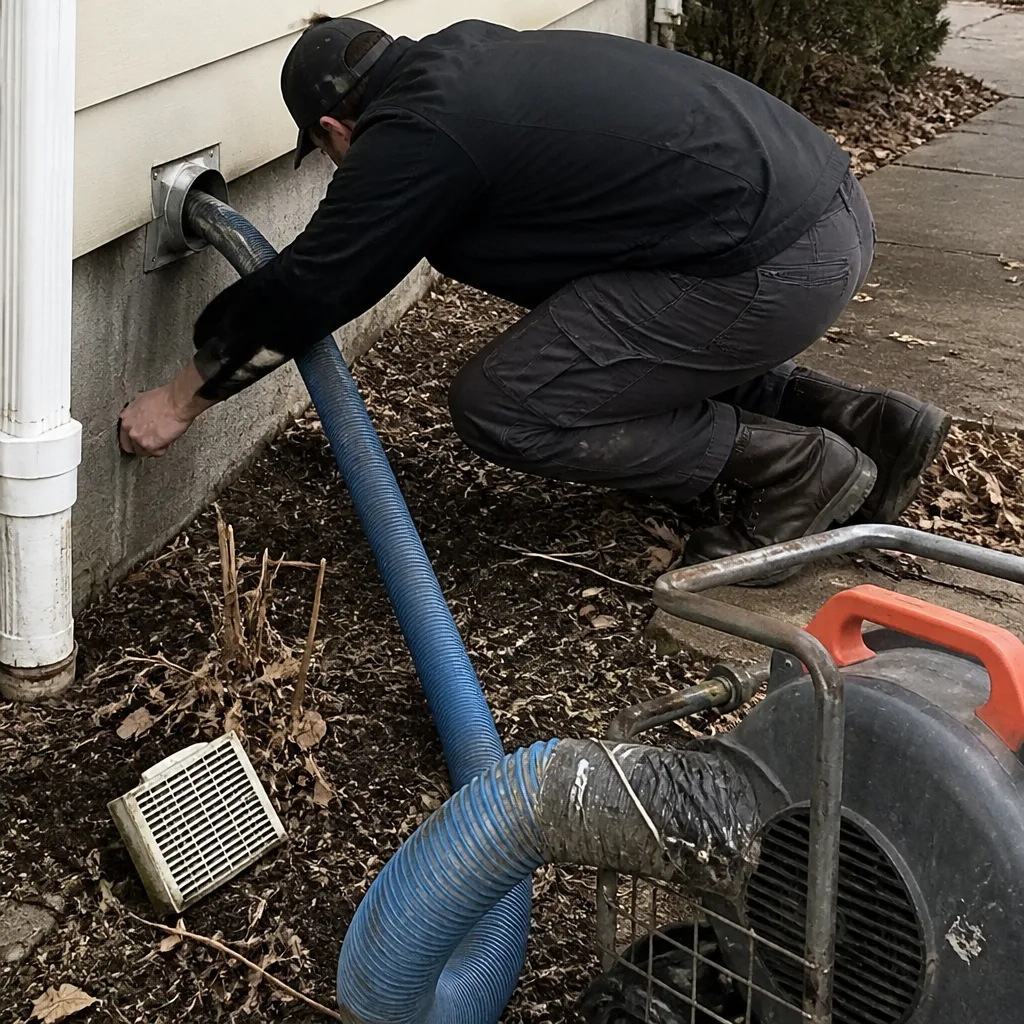 Before
 After
 Before
 After