
Last updated November 24, 2026
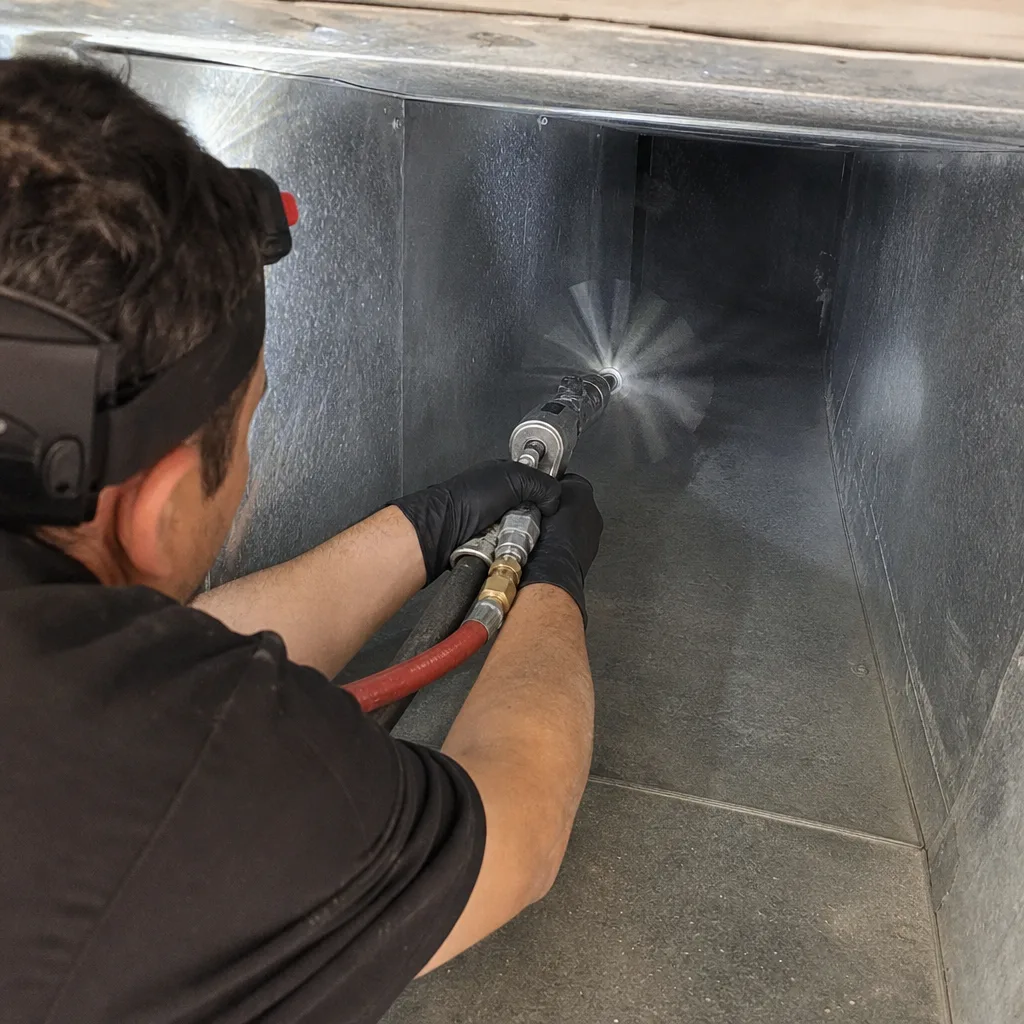
 Whole-home duct cleaning
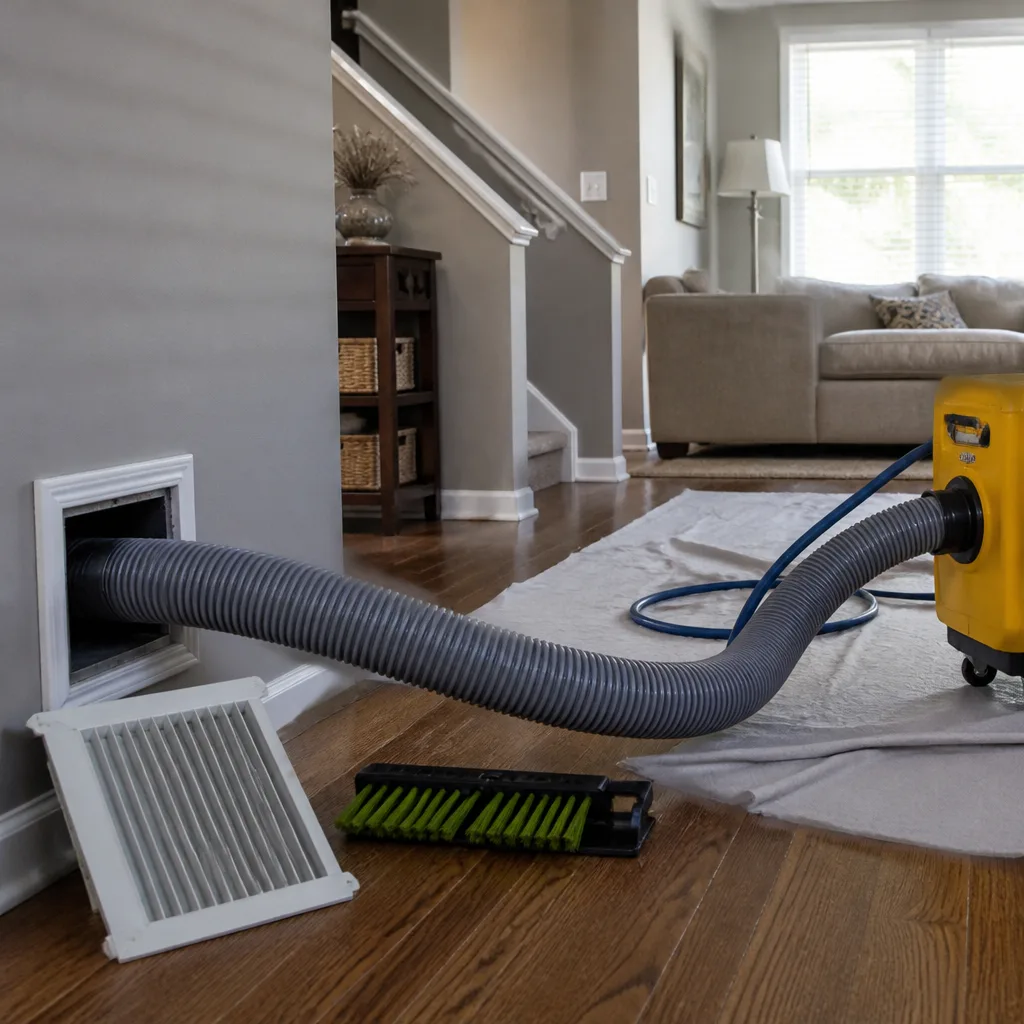
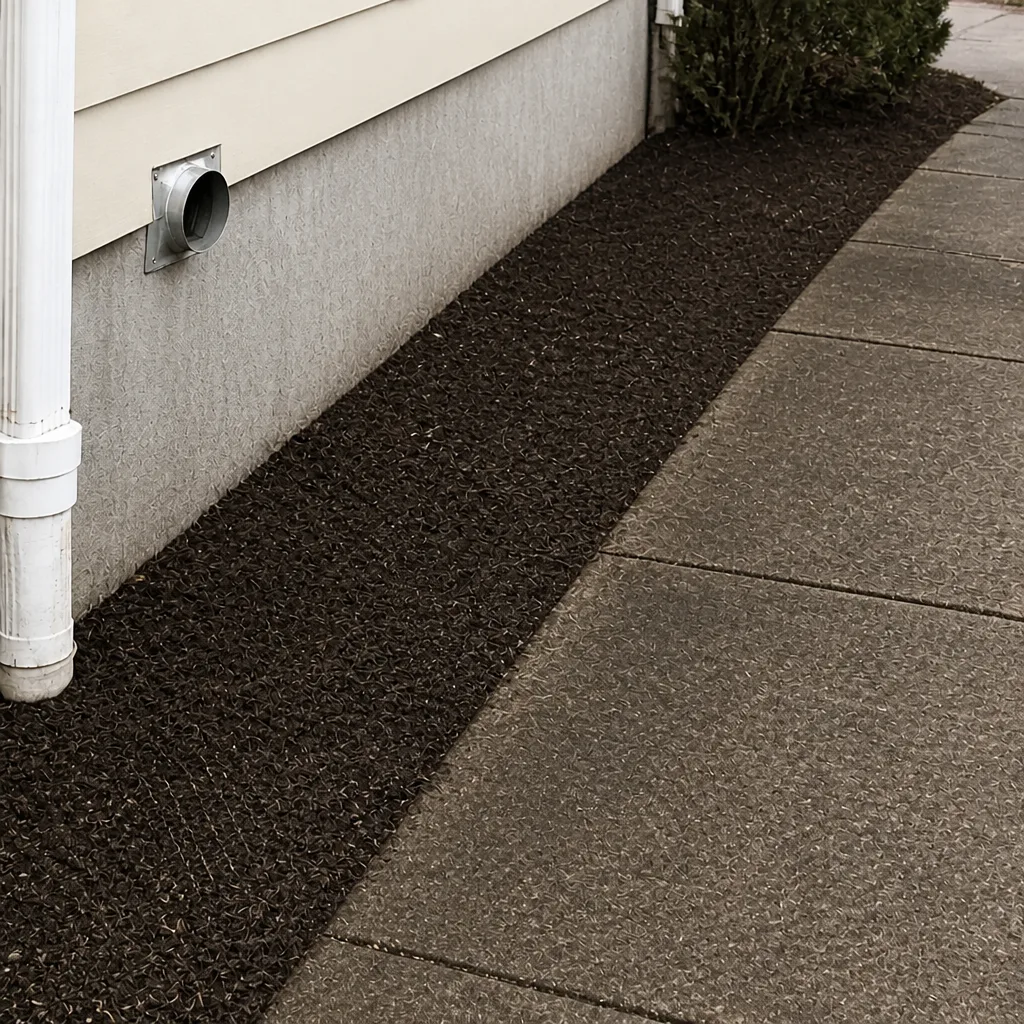
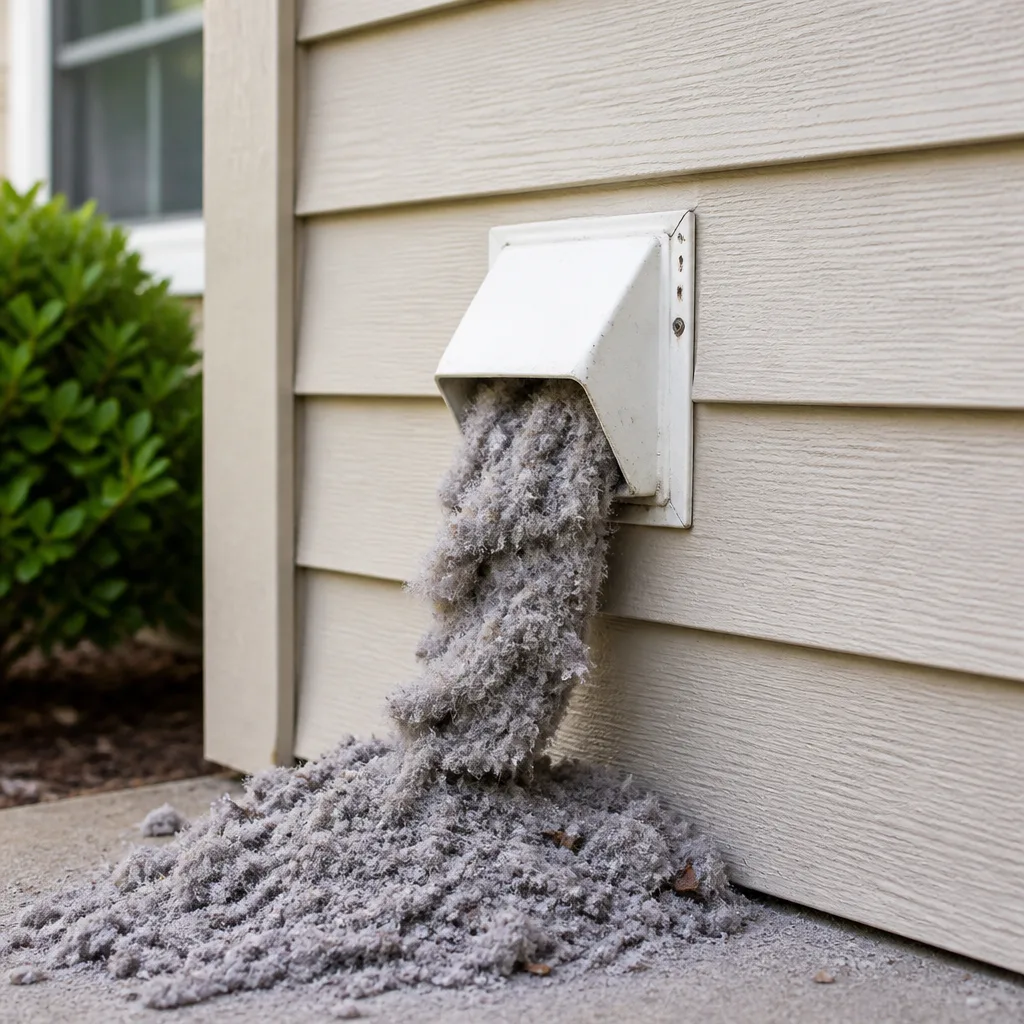 Dryer vent cleaning
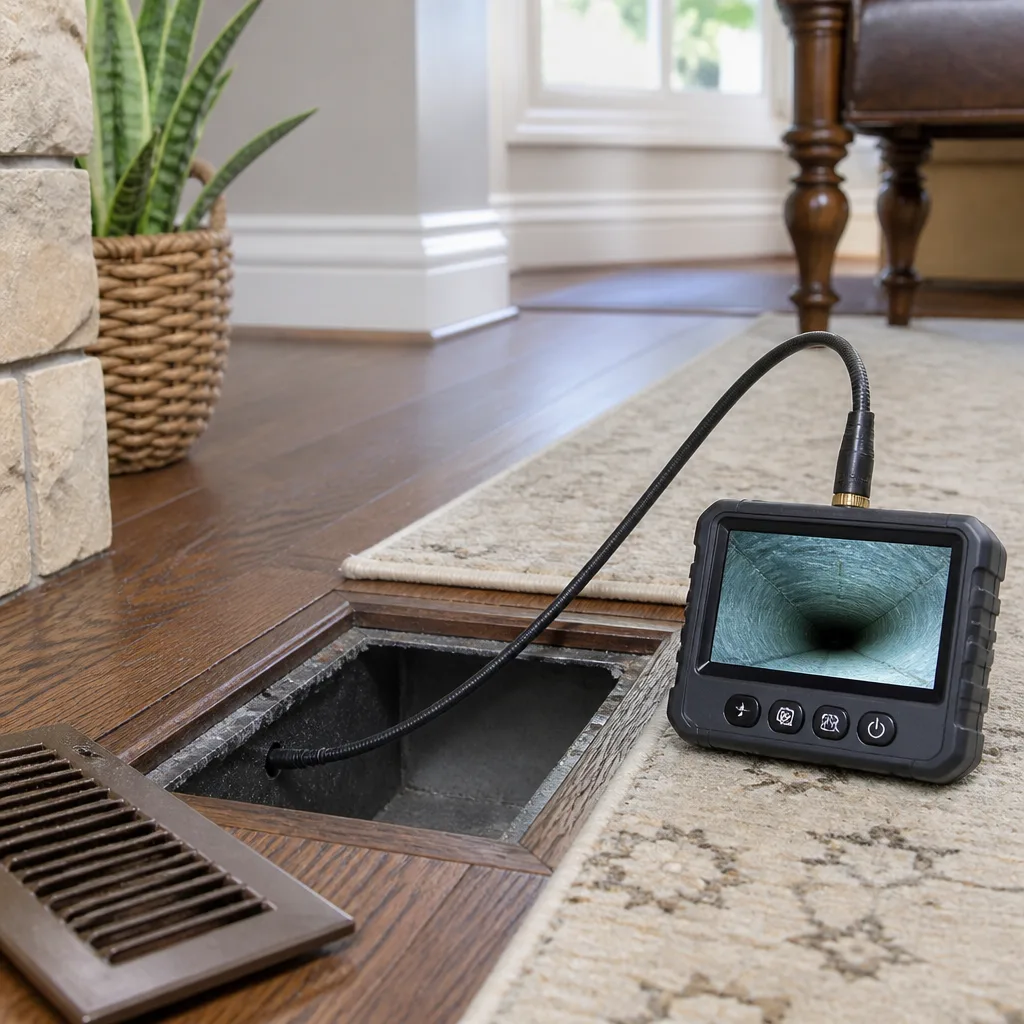 Camera inspection
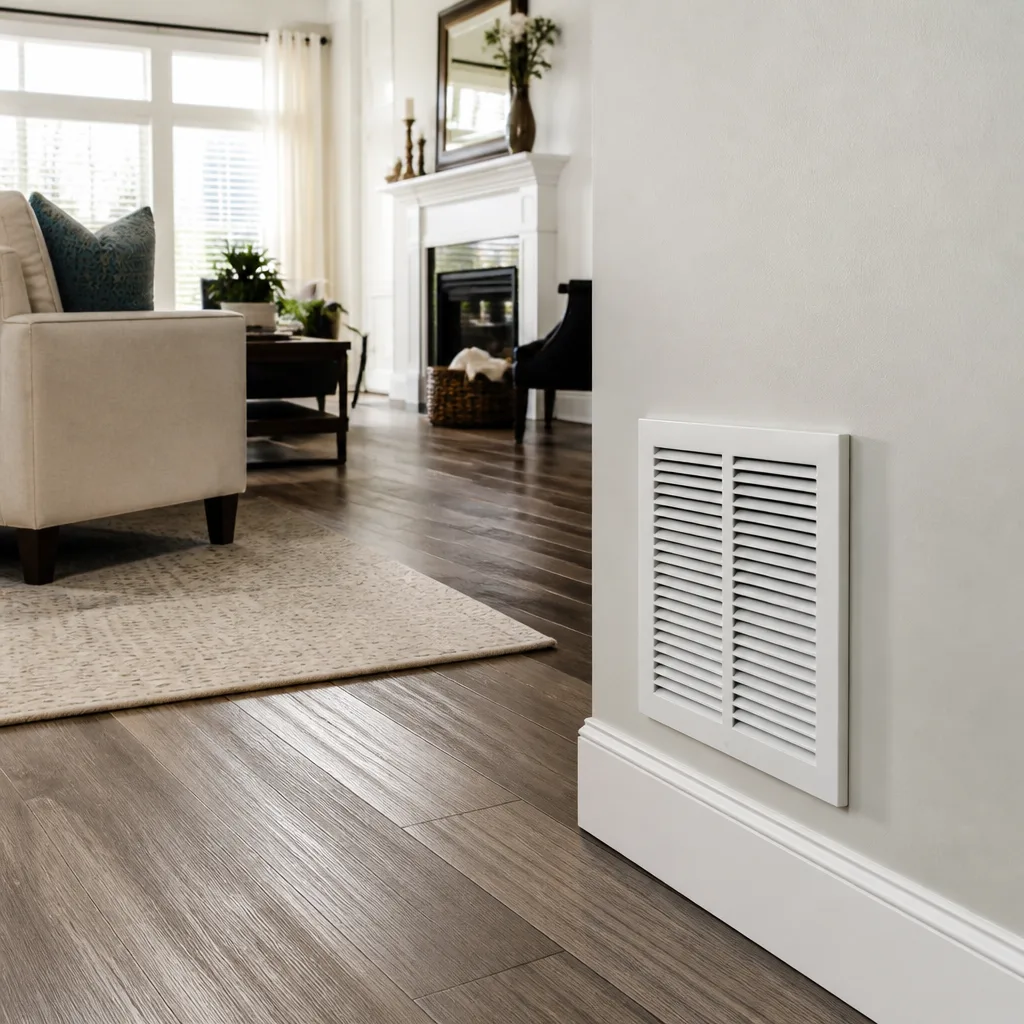 Sanitizing & deodorizing
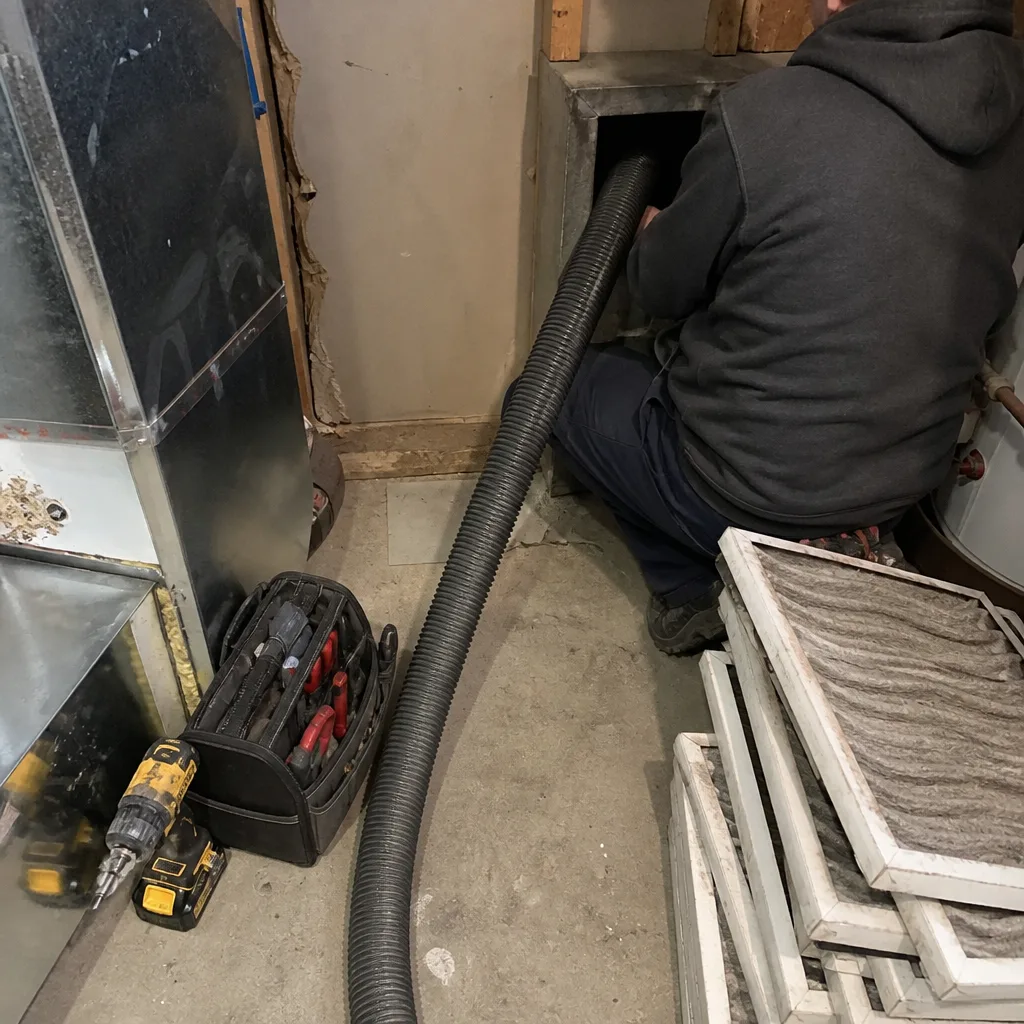
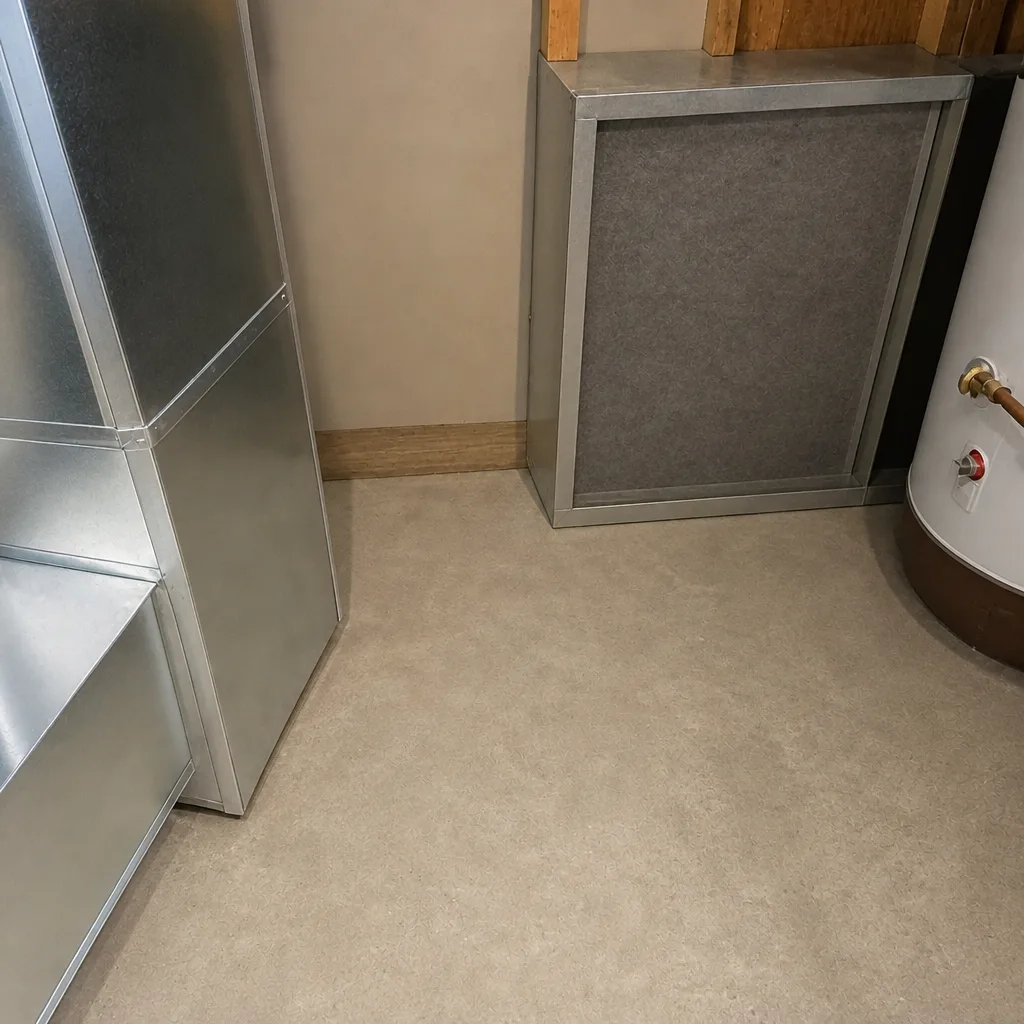
Whole-system duct and dryer vent check with before-and-after photos - you see exactly what came out of your vents
That "$99 whole-house special" is a bait ad - the real number appears once they are in your hallway, or the "clean" is a shop-vac at the register. We photograph the inside of your ducts before and after instead.
Seasonal Air Duct Cleaning Care for Orem: Year-Round Homeowner’s Guide
Most homeowners treat duct cleaning as a five-year checkbox. That schedule has almost nothing to do with Orem. Utah Valley runs on a seasonal rhythm that pushes different contaminants into your return air at different times of year, and a single cleaning in any one month leaves you exposed during the other three. Orem’s inversion season doesn’t just sit over the valley as a brown haze. It drives fine particulate matter into return air pathways every time a door opens or an exhaust fan runs, and much of that PM2.5 settles on duct lining rather than in your filter. In this guide we’ll map what each season does inside your duct system in Orem, why a generic timeline misses the point, and how to build an inspection and cleaning schedule around the actual contamination cycle.
Quick Answer
Seasonal air duct cleaning in Orem means matching inspection and cleaning to Utah Valley’s four distinct pressure periods rather than a fixed five-year interval: winter inversion particulate, spring pollen through fresh-air intakes, summer condensate and humidity inside duct runs, and the fall switchover that blows accumulated summer debris into your supply system. For most Orem homes, that means a full-system cleaning once every two to three years plus a filter-and-register inspection at each seasonal change.
Styles & brands we work with
- Whole-home duct cleaning
- Dryer vent cleaning
- Camera inspection
- Sanitizing & deodorizing
Table of Contents
- Winter: Inversion Season and the PM2.5 That Coats Your Duct Lining
- Spring: Pollen, Fresh-Air Intakes, and a Post-April Inspection
- Summer: Condensate, Humidity, and What Grows on Insulated Flex Duct
- Fall: The HVAC Switchover and the Debris It Sends Through Supply
- How to Build a Cleaning Schedule Around Orem’s Inversion Calendar
- The Equipment Standard That Actually Reflects Deep Cleaning
- Common Mistakes to Avoid
- When to Call a Professional
Winter: Inversion Season and the PM2.5 That Coats Your Duct Lining
Utah Valley’s winter inversions trap cold air and pollution beneath a warmer layer, and fine particulate matter builds up in that layer until a storm clears it out. The pollution doesn’t stay outdoors. Every time you open a door, run a bath fan, or fire up a kitchen exhaust hood, you create a pressure differential that pulls that outdoor air, and the PM2.5 riding in it, into your home’s return air path. Your furnace filter catches the coarse particles. The fine fraction slips past a standard filter, travels through the return chase, and settles onto duct wall surfaces where it clings in a thin brown-grey film.
By mid-January that film is measurable on the inside of any register you pull. In our experience across Orem homes, the return chases show the heaviest staining because they carry the largest volume of unfiltered air. Supply runs show it too, but as a lighter dusting driven by the fan after the filter.
What this means for maintenance:
- Change the furnace filter more often during inversion weeks. A standard 1-inch filter loads up faster in January and February than at any other point in Orem’s year.
- Consider upgrading to a higher-MERV filter before winter starts, especially if anyone in the home has asthma or allergies.
- Schedule the deep cleaning after inversion season breaks (usually by March), not during. Cleaning mid-inversion just puts more particulate back into a system still pulling it in.
- Keep return grilles clean and unobstructed so the system isn’t working against a clogged intake.
If you notice that familiar smell of stale air every time the heat kick on, that’s the film on the duct wall being disturbed by airflow. It’s the strongest sign you’ve hit the point where surface cleaning is overdue. We use Rotobrush rotary-brush systems to physically scrub duct walls – not just vacuum them – because the winter coat is bonded, not loose.
Spring: Pollen, Fresh-Air Intakes, and a Post-April Inspection
Orem sits between Utah Lake and the Wasatch foothills, and spring pollen arrives in waves: tree pollen first, then grass, then the sagebrush and weed pollens that don’t let up until the valley heats into summer. When your HVAC system pulls fresh air through an intake or your home simply leaks around doors and windows, that pollen rides in on the same pressure differential that pulls winter particulate. It settles in the return air path and coats filters and register faces within weeks.
Fresh-air intakes deserve specific attention. A system-sized fresh-air intake is designed to pull outdoor air into the return, blending it with conditioned air. That intake has no dedicated filter in many Orem homes. Every pollen grain the intake draws in passes straight into the return chase, where it can stick to the duct lining or remain suspended until the blower moves it into a room.
What a post-April inspection should look like, step by step:
- Pull one return grille and one supply register and look for visible pollen dusting or clumping at the edges.
- Check the furnace filter for yellow or pale-green staining. A pollen-loaded filter looks different from a grey dust-loaded one.
- Look at the fresh-air intake where it enters the system. Is there a filter there? Is it loaded?
- Check for signs of moisture or damp dust near the air handler, since spring humidity plus organic dust creates the conditions for growth.
- Note any rooms where allergy symptoms flare more than others. Those rooms often have a supply run that’s been disturbed or has a loose joint.
If the pollen dusting is visible on the duct walls, that’s a sign the surface is beginning to accumulate rather than just pass air. Spring is a good time to schedule air duct cleaning in Orem, because the cleaning lands before summer’s humidity turns pollen and dust into something worse.
Summer: Condensate, Humidity, and What Grows on Insulated Flex Duct
Summer in Orem is dry outdoors but often humid inside the duct system. That sounds backwards, so it’s worth explaining. When your air conditioner runs, the evaporator coil condenses moisture out of the air, and the condensate pan carries it away. But inside insulated flex duct runs, especially ones installed in attics, crawlspaces, or unconditioned chases, the temperature differential between cold duct air and warm surrounding air creates condensation on duct surfaces. Flex duct with a compromised vapor barrier, a kinked run, or a torn jacket will sweat. That sweat is where biological growth begins.
We see this most often in Orem homes where flex duct is routed through attic spaces with poor ventilation. The jacket looks fine from the outside; the inside tells a different story. Once the duct interior stays damp for a stretch of days, mold and mildew can develop on the dust and organic material already present from spring pollen and winter particulate. The tell is a musty smell that starts within the first fifteen minutes of AC operation and fades as the system runs.
What to check before summer peaks:
- Any flex duct with visible condensation on the outer jacket, or staining where it enters a supply register.
- A musty smell from the registers. Note whether it’s strongest in the first ten or fifteen minutes the system runs.
- Water stains or standing water near the air handler or in the drip pan.
- Humidity readings inside the home above the comfortable range for your climate control setup.
Biological growth inside a duct system is the one situation where cleaning alone isn’t enough. After cleaning, sanitizing with a product such as Guardsman treatment can address the surface it grew on, and a properly sealed duct run stops the condensation that fed it in the first place. That’s why we treat HVAC cleaning as an inspection opportunity, not just a blower cleaning.
Fall: The HVAC Switchover and the Debris It Sends Through Supply
The first cold snap in Orem usually arrives in late September or October. When it does, furnaces that have been idle all summer kick on for the first time, and the sudden airflow of the heat cycle disturbs everything that’s been sitting quietly in the supply runs and registers since spring. That’s the burnt-dust smell most homeowners notice on the first heat call of the year. It’s not just dust burning off the heat exchanger; much of what you’re smelling is debris accumulated over the summer being lifted into the air you breathe.
The switchover also drives a quieter problem. Summer cooling runs at higher static pressure than heating in many systems. When the system switches to heating, that lower-pressure regime lets settled dust redistribute into places the cooling cycle had kept clear. Debris gathers at blower faces, in supply boots, and on register vanes.
What to do before the first heat call:
- Change the filter ahead of switching to heat, then change it again a couple weeks into the heating season. The first few heat cycles pull more debris than the rest of the season will.
- Vacuum the register faces and grille louvers by hand. This removes surface dust that would otherwise blow into the room.
- Check supply runs for disconnected joints or gaps at register boots. Loose boots are a common summer-discovery item, and loose joints leak heated air into walls and attics all winter.
- If you skipped spring cleaning, consider scheduling dryer vent cleaning and a full-system inspection before winter sets in, since the switchover is a good trigger for any duct maintenance that didn’t happen in spring.
- Note whether any register is delivering noticeably less air than the others. A weak register in fall often means a duct that needs repair or sealing.
Duct repair and sealing stop the problem at the source – dirty air infiltrating through gaps and unsealed joints. If fall inspection finds those gaps, sealing them now saves you the winter’s heating cost of pushing conditioned air into a wall cavity.
How to Build a Cleaning Schedule Around Orem’s Inversion Calendar
The generic industry default is a full duct cleaning every three to five years. That number was never derived from a valley with a winter inversion problem and a spring pollen problem layered on top. For Orem, the cleaning schedule should track the contamination cycle, not a calendar someone put on a brochure.
A practical schedule looks like this:
- Early spring (March-April): Post-inversion deep cleaning if the system hasn’t been cleaned in two or more years. This is the strongest window for Orem Air Duct Cleaning because it lands after inversion particulate has finished accumulating and before pollen starts loading the intake.
- Late spring (May): Post-April inspection. Filter swap, fresh-air intake check, register review for pollen dusting.
- Mid-summer (July): Humidity check on flex duct runs. If you’ve had any condensate issue, this is when sanitizing follows cleaning.
- Early fall (September-October): Pre-switchover filter change, register cleaning, joint check.
- Every two to three years (Orem-specific): Full-system cleaning. Homes near busy corridors, homes with pets, homes with someone who has asthma, and homes with older duct systems may need it closer to the two-year mark. Homes on quieter streets with newer ductwork can often stretch to three.
That said, no schedule replaces an actual inspection. What we find on-site always adjusts the plan. A visual check of return chases, register faces, and the air handler tells you more about when the next cleaning is due than any rule of thumb. We carry Abatement Technologies HEPA equipment because contamination control matters during the job, not just after, and the same inspection standard tells us when a scheduled cleaning can wait.
The Equipment Standard That Actually Reflects Deep Cleaning
Duct cleaning is one of those services where the words on the quote all sound the same. “Duct cleaning” from one provider and “duct cleaning” from another can mean wildly different things. The equipment tells you which one you’re getting.
What separates a real deep cleaning from a surface pass:
- Rotary-brush agitation. Surface vacuuming pulls loose dust. It doesn’t touch the bonded film that inversion season and pollen leave behind. Rotobrush rotary-brush systems physically scrub duct walls, dislodging bonded debris so it can be extracted. The same platform is used by NADCA-standard professionals nationwide.
- Negative-air extraction. Dislodged debris has to go somewhere, and if it’s not captured, it just moves to another part of the system or into the room. Nikro negative-air equipment creates a pressure differential that keeps debris moving toward the collection point instead of around the house.
- HEPA filtration. For homes with serious allergy concerns or visible contamination in the system, Abatement Technologies HEPA units hold to contamination-control standards used in remediation and restoration work – a tighter standard than most residential cleaning crews carry.
- Sanitizing products made for duct interiors. Guardsman treatment products handle sanitizing and protective coating after cleaning so the surface isn’t immediately recolonized by the next seasonal load.
- Air quality hardware. Cleaning removes what’s there. It doesn’t change what comes next. Aprilaire and Honeywell air quality products bridge that gap – filtration and humidity control that maintain what the cleaning accomplished.
Ask any provider what equipment they carry for each of these categories. If the answer is “a big vacuum,” that answers a different question than the one you asked.
Are There Local Rules or Codes That Affect Duct Work in Orem?
For most residential duct cleaning, no permit is involved. Cleaning is maintenance, not construction. Where permits and code review do come in is duct repair and sealing, especially if the work involves replacing or rerouting duct runs, connecting new equipment, or modifying the air handler. Orem City’s building department reviews those projects on a case-by-case basis, and most cities in Utah County handle them the same way. If your duct work is being altered rather than cleaned, ask your city’s building department whether the project requires a permit before work starts.
Two practical notes for Orem homeowners:
- Any work involving gas lines, the furnace itself, or electrical connection for new air quality equipment should be handled by the appropriate licensed trade. Duct cleaning alone doesn’t cross that line, but duct repair adjacent to a furnace often does.
- If you’re a renter or a property manager, the lease and the property owner’s preferences determine what gets scheduled. We work with both in Orem, and the visit scope is agreed in writing before any work starts.
See the difference
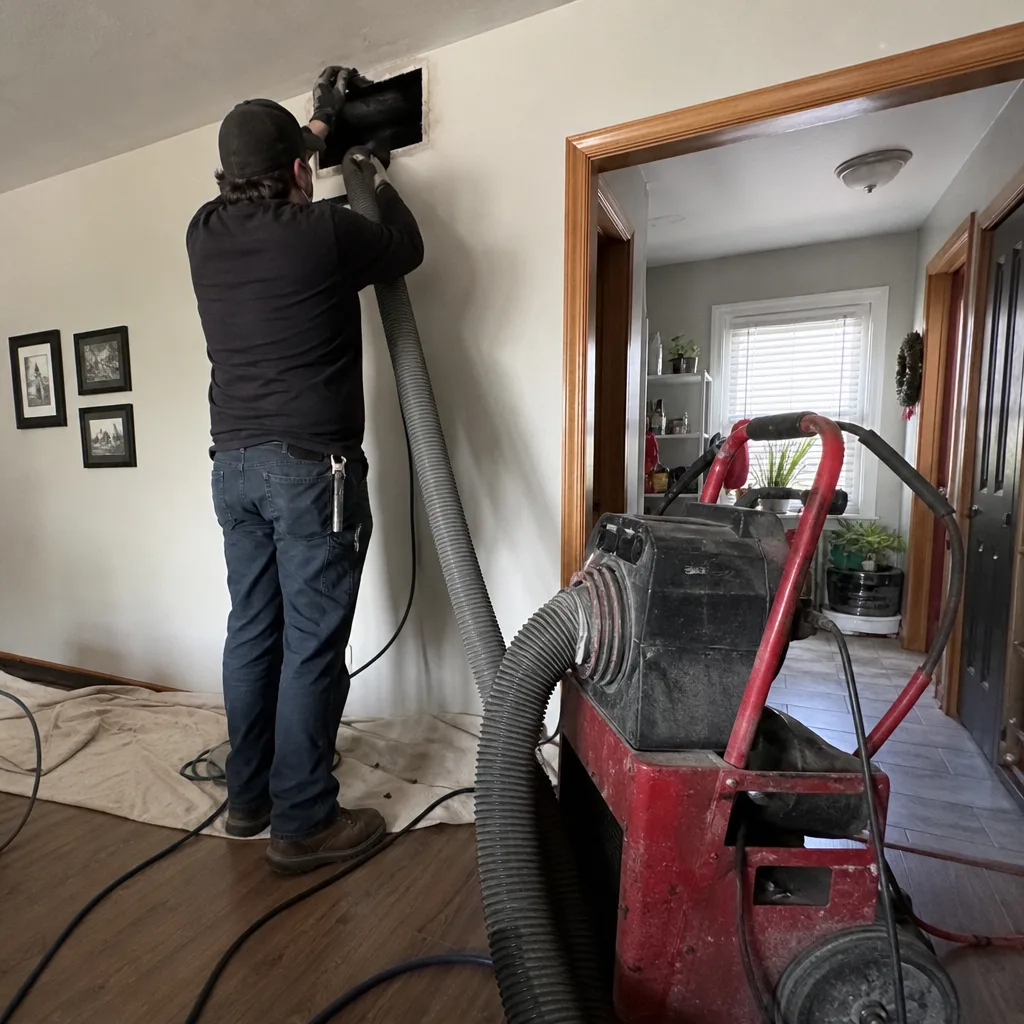 Before
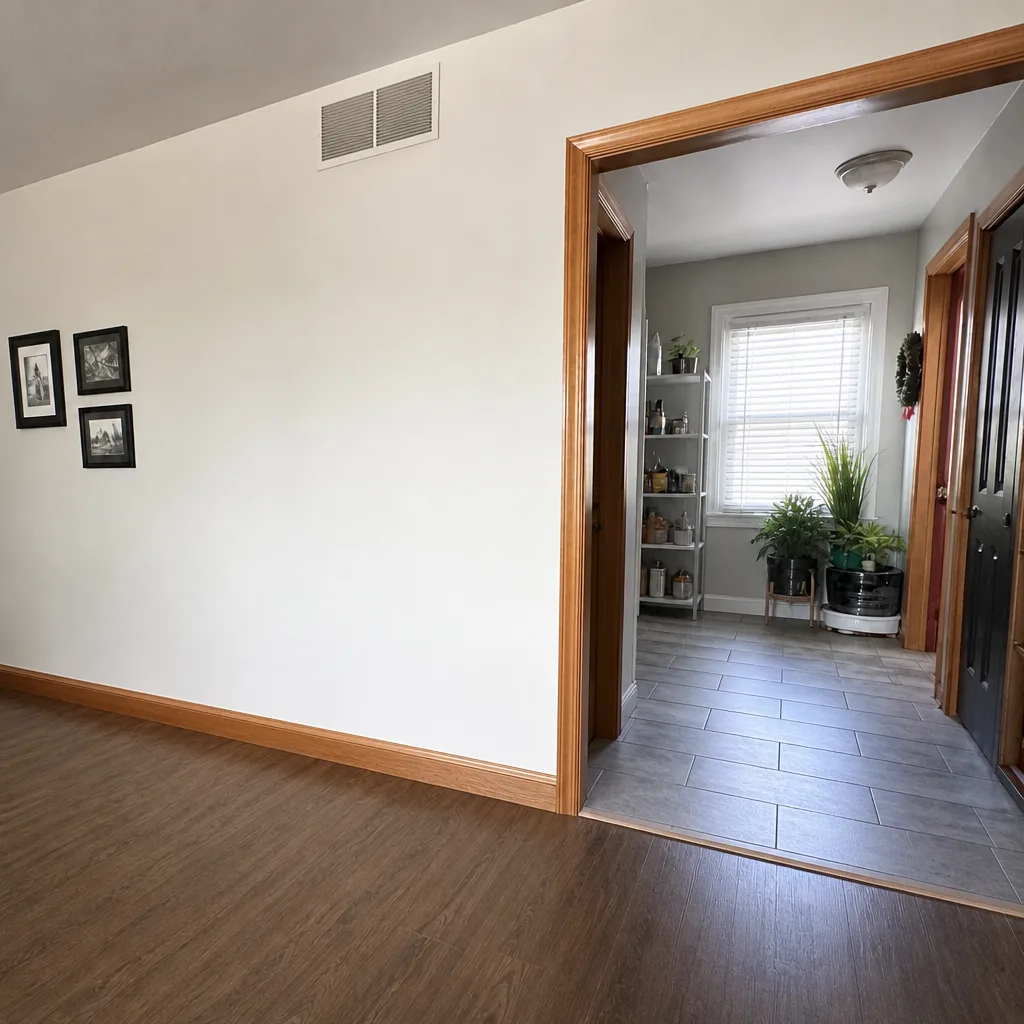 After
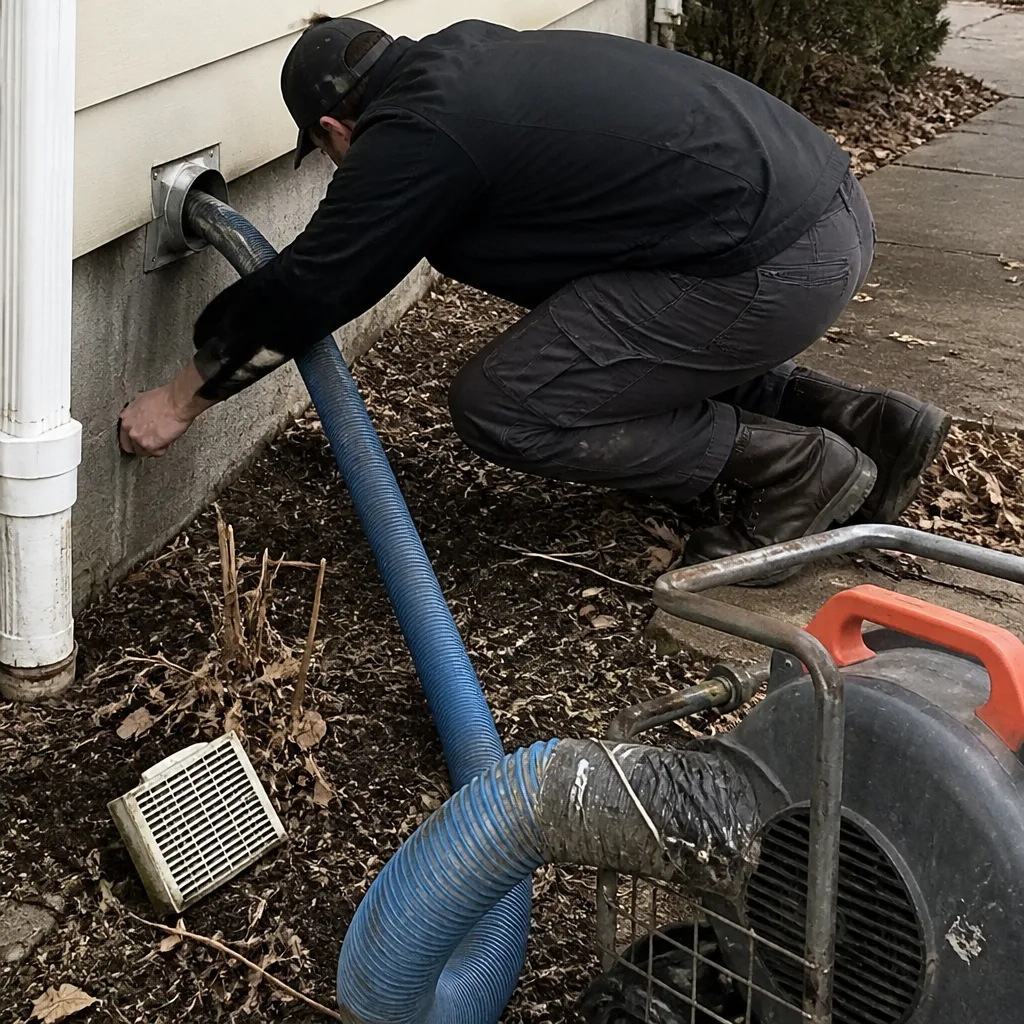 Before
 After
 Before
 After
Common Mistakes to Avoid
- Treating duct cleaning as a five-year event without an inspection. The five-year default ignores Orem’s inversion and pollen cycles. Skipping inspections between cleanings means the first sign of a problem is often a smell or a symptom rather than something caught early.
- Cleaning during inversion season. Cleaning in January pulls the system apart while outdoor particulate is still infiltrating through every door and exhaust fan. Cleaning after inversion breaks is the better order.
- Only cleaning the supply side. Return chases carry the largest volume of unfiltered air and usually show the heaviest contamination. If a quote only mentions supply registers, ask what’s happening on the return side.
- Ignoring the fresh-air intake. A system with an unfiltered fresh-air intake pulls outdoor pollen straight into the return chase. Checking or upgrading that intake filter is a low-cost, high-impact fix many Orem homes are missing.
- Sanitizing without cleaning first. Sanitizer sprayed on a dirty duct surface doesn’t reach the growing material underneath. Cleaning comes first, sanitizing follows.
- Choosing a provider on price alone. A very low quote is often a surface-vacuum pass with no brush agitation and no negative-air capture. You get what the equipment can do, not what the price tag promises.
- Skipping the pre-fall switchover check. The first heat cycle of the year distributes summer’s accumulation through the supply system. A filter change and register cleaning before that first cycle prevents most of it.
When to Call a Professional
Some duct problems are obvious enough that any homeowner would call. A musty smell that shows up every time the AC runs. Visible dust storms out of a register when the system kicks on. A register that delivers almost no air while others work fine. Condensation stains on flex duct in the attic. A furnace filter that loads up in weeks instead of months. Water near the air handler. Anyone in the home with asthma or allergy symptoms that flare in specific rooms. Any of these cross the line from “change the filter and see” into “get eyes on the inside of the system.” Our technicians have up to 10 years of experience, and we can usually tell you in a single visit whether the duct system needs cleaning, repair, or both. Orem Air Duct Cleaning offers free estimates in Orem – call (855) 726-7143 to schedule an inspection.
Frequently Asked Questions
Most Orem homes should plan on a full-system cleaning every two to three years, with a filter and register inspection at each seasonal change. The two-to-three-year window reflects Utah Valley’s inversion season and spring pollen load, both of which bring more particulate into return air paths than a typical climate. Homes with pets, anyone with asthma, or older duct systems may need the cleaning closer to two years.
Not usually. Cleaning mid-inversion means the system is still pulling in the same fine particulate that prompted the cleaning, so you restart the accumulation immediately. The stronger window is late February through April, after inversions break but before pollen peaks. If your summer humidity readings were high or you’ve had a musty smell, scheduling in early spring gives sanitizing a chance to work too.
Surface vacuuming pulls the loose dust sitting on top of the duct wall. Rotary-brush cleaning with a Rotobrush system physically scrubs the wall to dislodge the bonded film that inversion particulate and pollen leave behind. On Orem homes that skip cleaning for several years, that film is thick enough that surface vacuuming doesn’t touch it. That’s why we use the rotary-brush approach on every full-system job rather than defaulting to a vacuum-only pass.
On return chases, it’s a brown-grey film on the metal or foil wall, thickest at the joints and elbows. On supply runs, it’s a lighter grey dusting on the top surface. On insulated flex duct that’s had moisture, look for dark staining on the interior liner and a smell that confirms it. Pulling one return grille and one supply register usually answers the question in a few minutes.
No. The first heat cycle of the year distributes accumulated summer debris through the entire supply system in one pass. Cleaning before the switchover (typically by late September) captures that debris before it reaches the rooms. If you’re already past the first heat call, schedule cleaning as soon as you can and change the filter twice in the first few weeks.
A full-system cleaning means we clean from the return air intake to the supply registers under negative-air pressure so dislodged debris is captured, not redistributed. Rotobrush rotary brushes agitate the duct walls, Nikro negative-air equipment holds the contamination under control during the job, and HEPA filtration is used where contamination or allergy concerns call for it. If we find gaps or disconnected joints, we address them with duct repair and sealing in the same visit when possible. Call (855) 726-7143 for a free estimate. We answer 24/7. Fast dispatch from 7am to 7pm, Sunday through Friday.
The Bottom Line
Orem’s climate puts four different seasonal pressures on your duct system instead of the two most homeowners expect. Winter inversion loads fine particulate onto duct lining. Spring pushes pollen through fresh-air intakes. Summer condensation on flex duct creates the conditions for biological growth. Fall’s first heat cycle moves the whole accumulated load into your rooms. Match your maintenance to that cycle, and you’ll catch problems before they show up as a smell or a symptom.
Here’s the takeaway: inspect at every season change, clean every two to three years for Orem homes, and choose a provider whose equipment actually deep-cleans rather than surface-vacuums. If you’re unsure what your system needs, get it looked at.
Call Orem Air Duct Cleaning at (855) 726-7143 for a free estimate. Our technicians have up to 10 years of experience, and the visit starts with a real inspection, not a sales pitch. We answer 24/7. Fast dispatch from 7am to 7pm, Sunday through Friday.
Written by the team at Orem Air Duct Cleaning.