
Last updated November 24, 2026
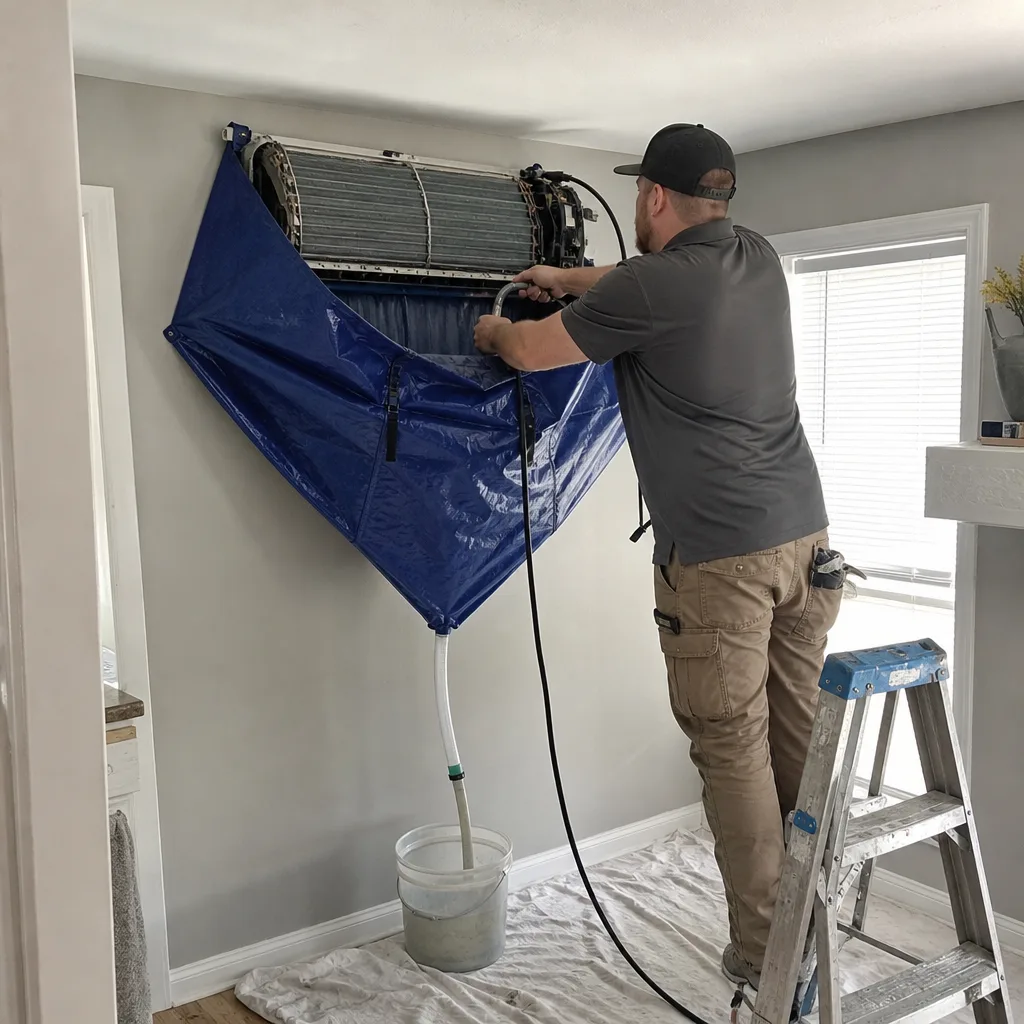
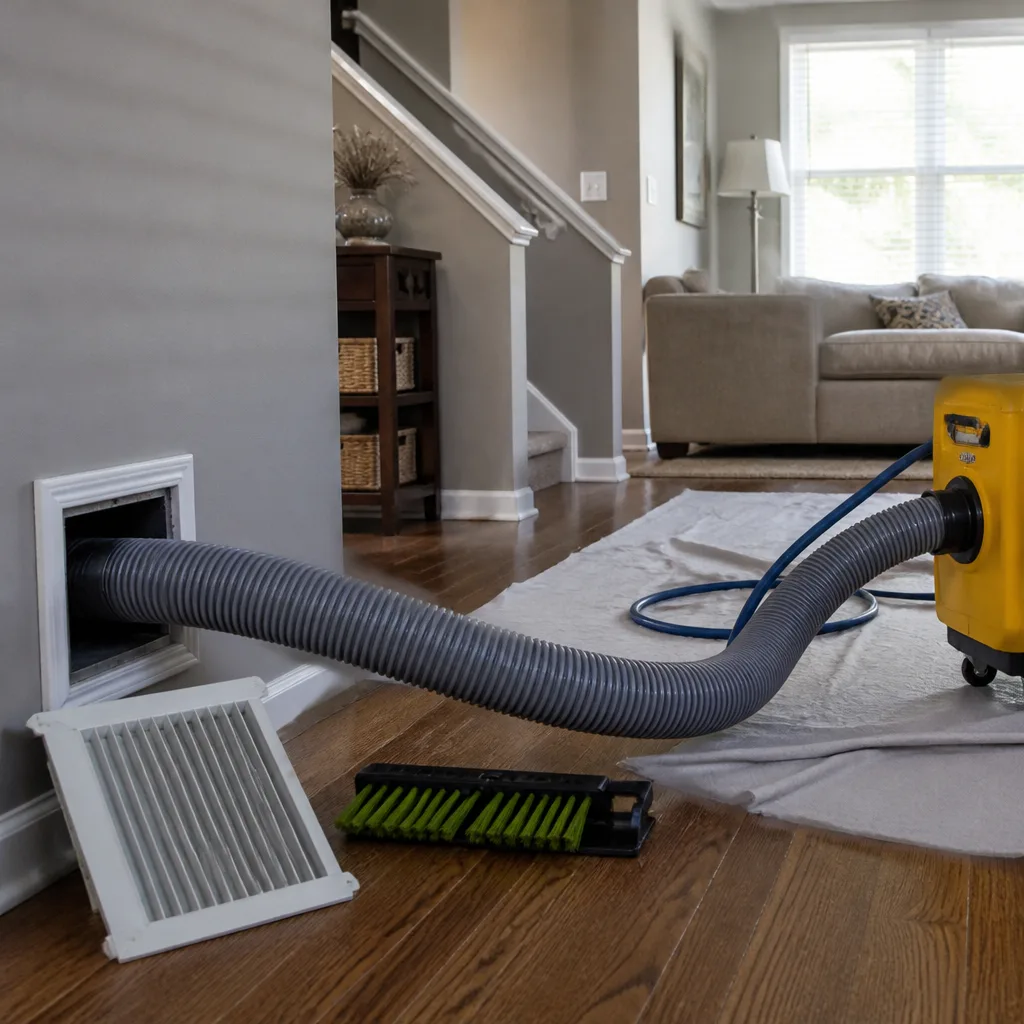 Whole-home duct cleaning
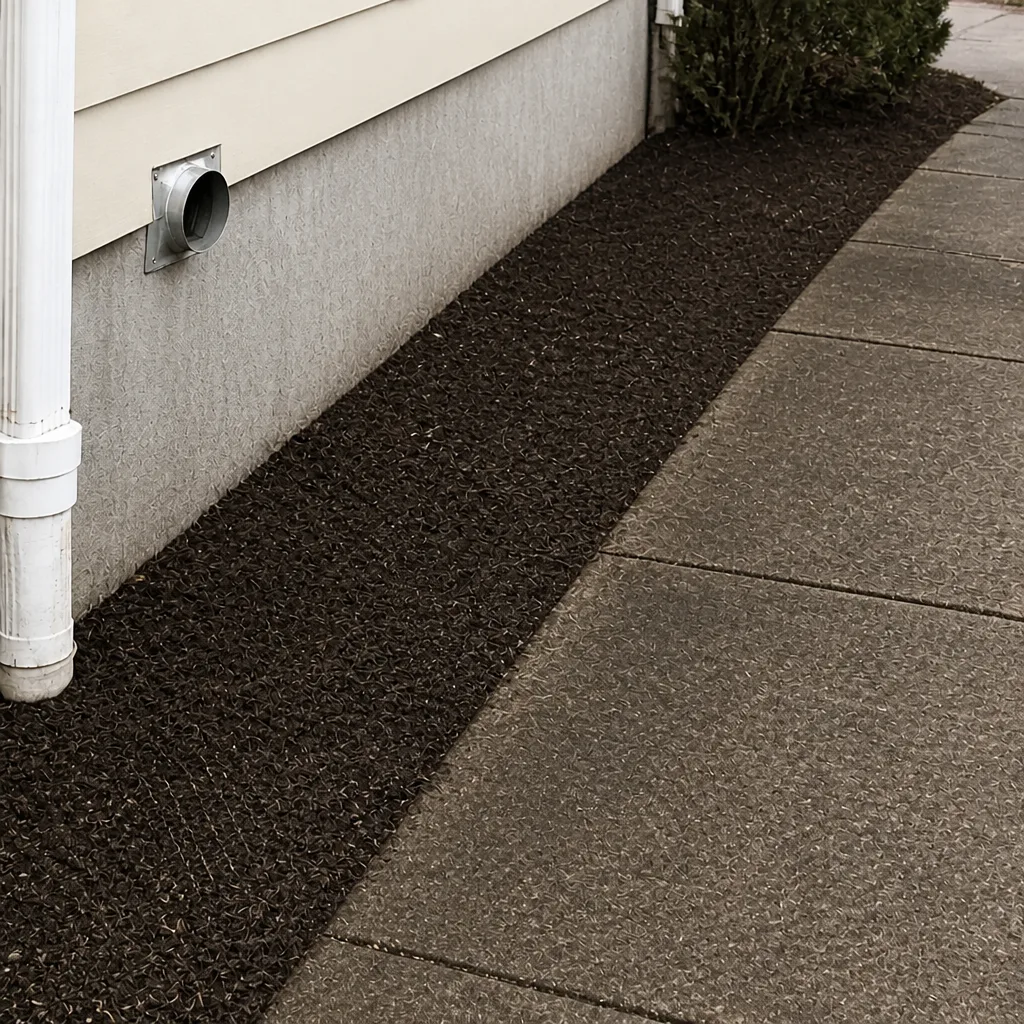
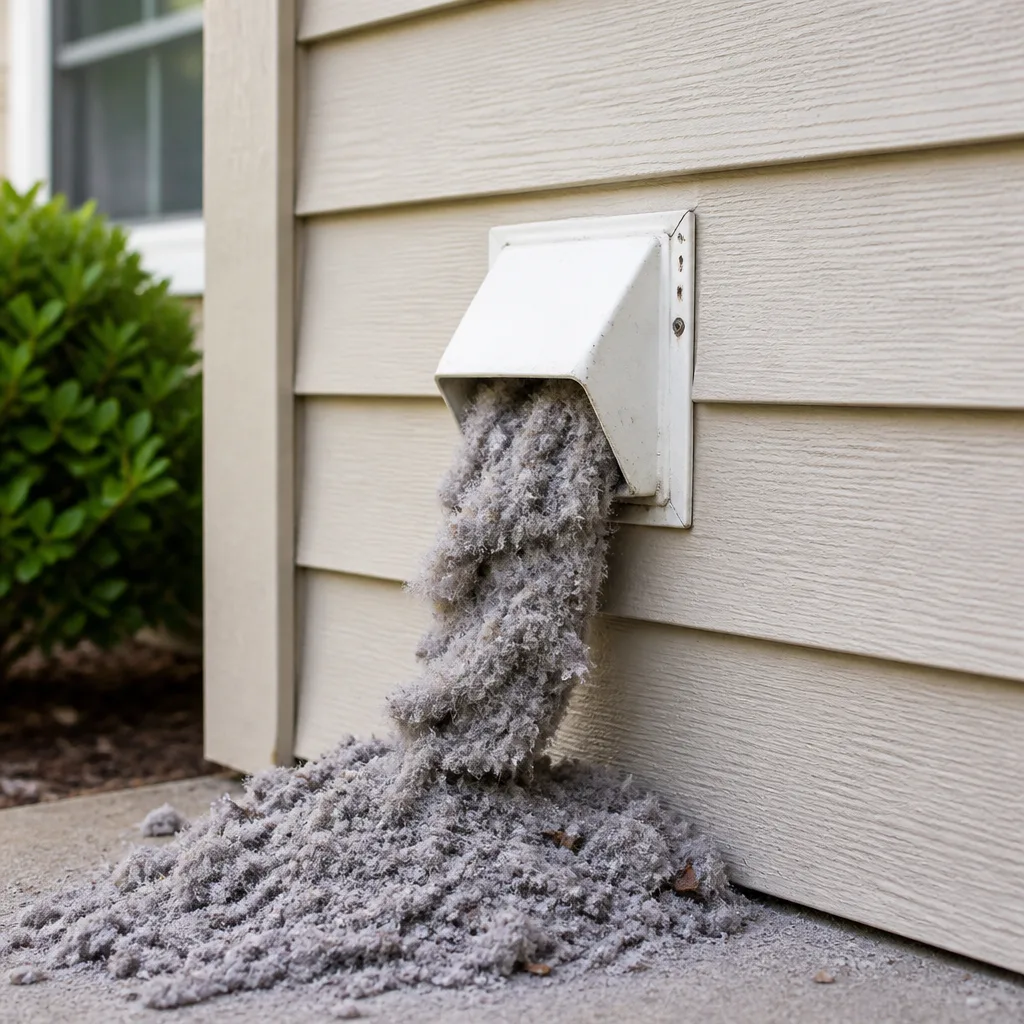 Dryer vent cleaning
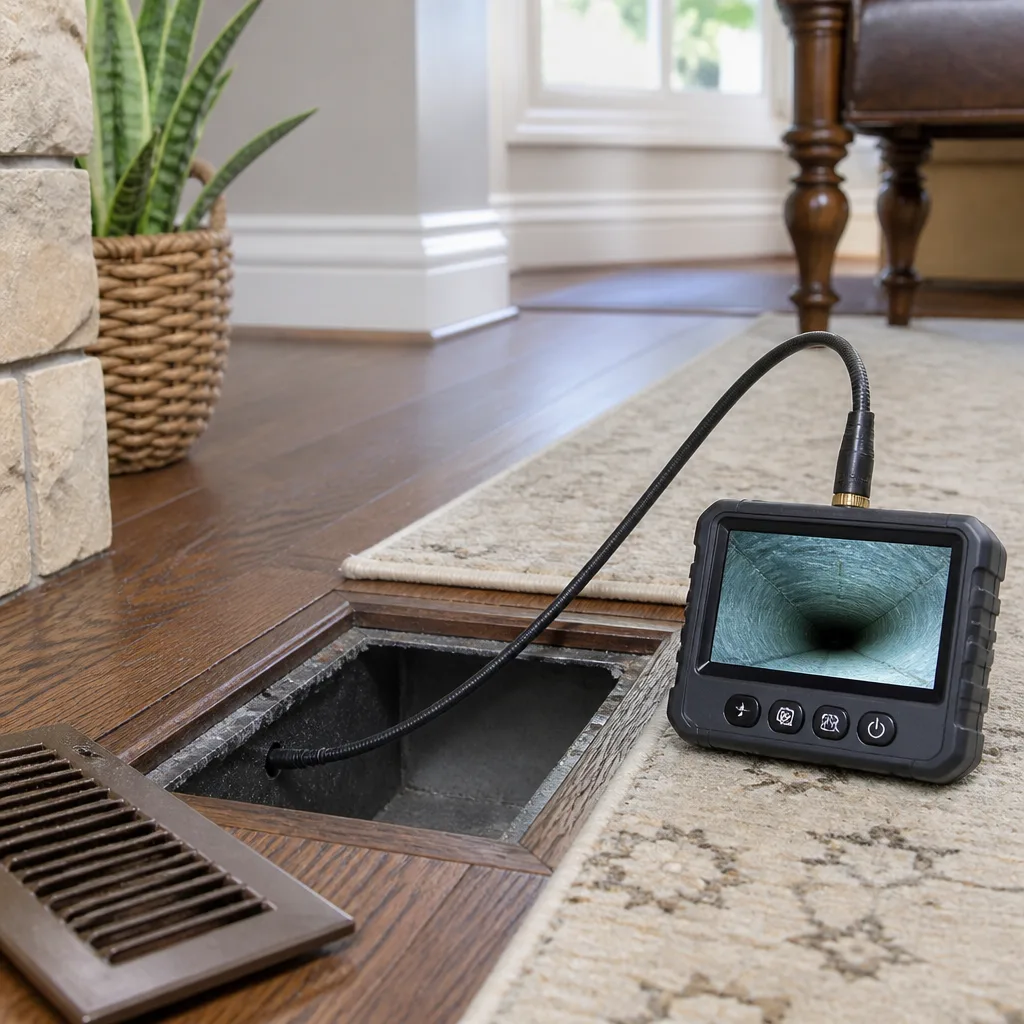 Camera inspection
 Sanitizing & deodorizing
Whole-system duct and dryer vent check with before-and-after photos - you see exactly what came out of your vents
That "$99 whole-house special" is a bait ad - the real number appears once they are in your hallway, or the "clean" is a shop-vac at the register. We photograph the inside of your ducts before and after instead.
The Complete Guide to Air Duct Cleaning in Orem
Most duct cleaning jobs in Utah take under an hour. A properly scoped full-system clean on an average Orem home takes three to five. That gap isn’t efficiency. It’s corners cut. The single biggest misconception we run into is that “duct cleaning” is one thing. In practice it’s a sequence: diagnosis, mechanical agitation, negative-pressure extraction, a leakage check, and often sealing before the system is put back together. Skip any step and you get ducts that look cleaner in photos while the air in your house behaves exactly the same. This guide maps the full process so you know what a thorough job involves before anyone touches your system in Orem.
Quick Answer
A complete air duct cleaning in Orem covers the supply runs, return runs, plenum, air handler and evaporator coil, not just the trunk lines you can see. It uses rotary-brush agitation plus negative-pressure HEPA extraction, ends with a leakage and integrity check, and runs three to five hours on a typical home. Cleaning alone doesn’t fix gaps, unsealed joints or a dirty coil. Those get addressed in the same visit or the job is incomplete.
Styles & brands we work with
- Whole-home duct cleaning
- Dryer vent cleaning
- Camera inspection
- Sanitizing & deodorizing
Table of Contents
- What a true full-system scope actually covers
- How Orem’s high-desert dust and inversion seasons load up your ducts
- Negative pressure, PSI ratings, and why slab-on-grade homes matter
- Why cleaning without a leakage check is an unfinished job
- How to read before-and-after documentation
- The full process, step by step
- What air duct cleaning costs in Orem
- How often ducts really need cleaning in Orem
What a True Full-System Scope Actually Covers
The word “system” gets used loosely. Here’s the difference between a surface vacuum and a full-system clean. A surface vacuum pulls dust from the trunk line and whatever registers the wand reaches. A full-system clean opens the air pathway end to end and treats each part for what it is.
In our experience the scope breaks down like this:
- Supply runs. Every branch from the plenum to the register boot. Rotary-brush agitation scrubs the walls; the vacuum captures what’s loosened.
- Return runs. Often the dirtiest section because return air moves slower and drops heavier particulate. Neglecting returns is the most common incomplete job we see.
- Supply and return plenums. The sheet-metal boxes right off the air handler. These collect a mat of dust and lint that a register-level vacuum never touches.
- Air handler cabinet. The blower compartment and the surfaces around the blower wheel. A caked blower wheel throws less air and runs hotter.
- Evaporator coil. The A-frame coil. A fouled coil restricts airflow year-round and is a common reason for uneven cooling in Orem summers.
- Registers and grilles. Removed, cleaned and reinstalled, not wiped in place.
If a quote doesn’t mention returns, the plenum or the coil, ask why. Those are the parts that hold the contamination. A full-system scope is what separates air duct cleaning from a vacuum pass, and it’s the standard we work to on every Orem job because anything less leaves the source of the problem in place.
How Orem’s High-Desert Dust and Inversion Seasons Load Up Your Ducts
Orem sits in a high-desert valley, and that shapes what ends up in your ductwork. Two local patterns matter more than most homeowners realize.
Fine desert dust and spring winds. The particulate here is fine and powdery, not the damp lint you’d find in a humid climate. Fine dust stays airborne longer, passes through standard filters more easily, and settles on duct walls in a light, even coating that builds up over years. It also coats the evaporator coil, which is why coil cleaning matters as much as duct cleaning in this valley.
Winter inversion and wildfire smoke. Utah Valley gets temperature inversions in winter, when cold air traps warmer air and pollution close to the ground. On those days windows stay shut and the furnace runs hard, recirculating whatever is already in the system. Summer wildfire smoke does the same thing in reverse, pushing homeowners to close up the house and lean on the AC. Both seasons concentrate the same load: the ducts become the reservoir.
Rocky Mountain House dust, Provo Canyon wind events and the dry air that cracks seals all feed the same pattern. You’ll notice it as musty odor at the registers, dust settling fast after cleaning, allergy symptoms that spike when the heat or AC kicks on, or rooms that never quite match the thermostat. Those are the signals worth acting on. Our Orem Air Duct Cleaning work starts by identifying which of those patterns is actually driving the complaint, because a dust problem and a leakage problem get different fixes.
Negative Pressure, PSI Ratings, and Why Slab-on-Grade Homes Matter
Here’s the technical part most homeowners never hear. Cleaning dislodges debris. If you don’t capture it at the source, it goes into the house. That’s the whole reason negative-pressure equipment exists.
Negative-air machines pull a slight vacuum on the duct system while the brush dislodges material, so the loosened dust travels toward the vacuum instead of out your registers. Rotobrush rotary-brush systems combine the brush and the vacuum in one tool, which is why they’re the platform used by NADCA-standard professionals nationwide. We also carry Abatement Technologies HEPA-filtration equipment because contamination control has to hold during the job, not just after it. HEPA capture at the exhaust point means the fine desert particulate this valley throws at a system doesn’t end up redistributed through the house.
Then there’s suction strength. PSI ratings tell you how much pulling force the equipment applies at the duct. On Utah’s slab-on-grade homes, most of the ductwork runs through the slab or tight chases, with long horizontal runs and limited access points. Weak suction loses its force over that distance. Stronger negative pressure keeps the debris moving all the way to the collection point instead of stalling halfway down the run.
- Weak suction: debris loosened but not extracted, dust resettles, job looks done and isn’t.
- Strong negative pressure plus HEPA: debris captured at the source and pulled out, house stays clean during the work.
Ask any contractor what equipment they run and how they control dust during the job. The answer tells you more than the price.
Why Cleaning Without a Leakage Check Is an Unfinished Job
Clean ducts with leaks are still leaky ducts. Every gap in a return line, every unsealed joint at a boot or plenum pulls unconditioned air from a crawlspace, attic or wall cavity straight into the house. In a dusty valley like Orem’s, that means the system keeps pulling fine particulate in after the cleaning is done. You paid for clean air and got clean ducts feeding on dirty air.
A post-clean integrity check looks for:
- Disconnected or slipped joints in flex and rigid runs
- Gaps at the plenum seams and where the trunk meets the air handler
- Unsealed register boots that leak into wall or floor cavities
- Crushed or kinked flex duct, common where runs get stepped on or squeezed through framing
- Leakage at the air handler cabinet seams
When we find those, we fix them. Duct repair and sealing stops the problem at the source: dirty air infiltrating through gaps and unsealed joints. That’s why we offer repair and sealing as a core service rather than an afterthought. It’s also the difference between an air-system job that improves how the house feels and a cleaning that only looks thorough.
How to Read Before-and-After Documentation
Anyone can hand you a card with a generic photo. Real documentation lets you verify the work. Here’s how to read it.
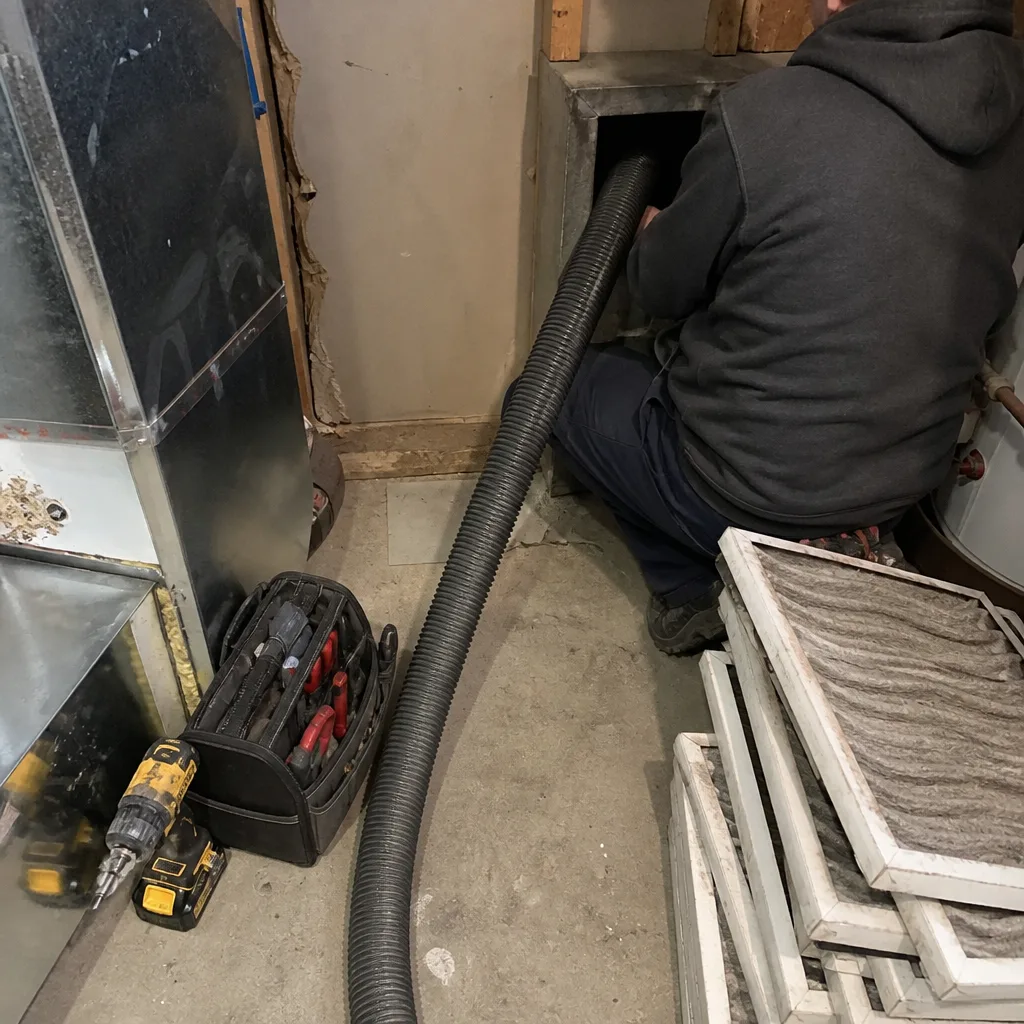
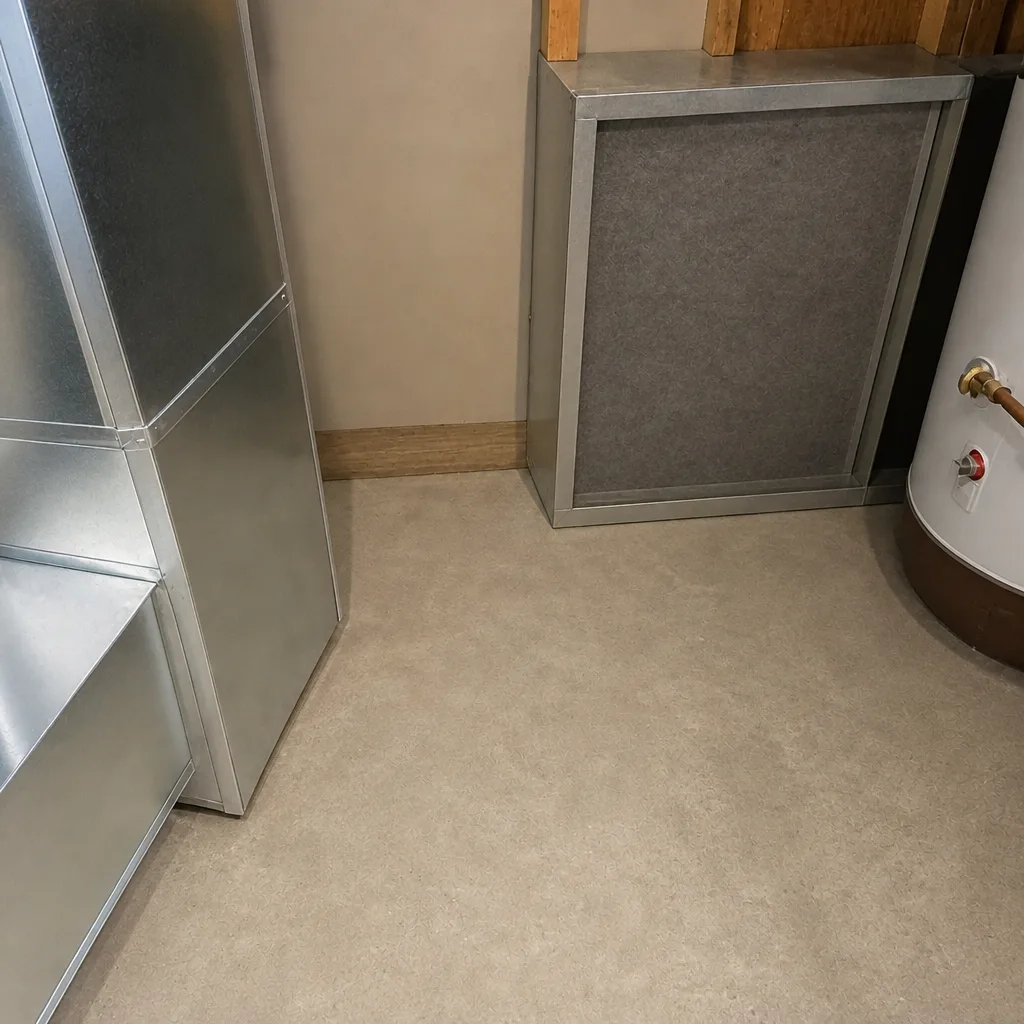
- Look for your registers, not stock images. Before-and-after photos should show the actual boots and grilles in your home, including the register you know was dirtiest.
- Check the plenum and coil, not just a register. The important shots are the air handler and the coil face. If the photos only show one clean register boot, the scope was narrow.
- Compare the same angle. A before shot from one corner and an after shot from another tells you nothing. The camera position should match.
- Ask for the debris you can see. The collection tank or filter bag from the job is documentation too.
- Confirm the integrity findings in writing. A thorough technician notes which joints leaked and what was sealed, not just that cleaning happened.
When you hire an Orem contractor, ask up front whether they document each step. A team confident in its process will show you the coil, the plenum and the returns without prompting.
The Full Process, Step by Step
This is what a full-system clean looks like when nothing’s skipped. On a typical Orem home, expect three to five hours from arrival to walkthrough.
- Walkthrough and diagnosis. Locate every register, inspect the air handler and coil, and note the complaints: odors, uneven rooms, allergy triggers. The complaint drives the scope.
- Protect the living space. Floor protection, corner guards, and negative-air machines staged before anything opens.
- Set negative pressure. Connect the vacuum and HEPA filtration to the system so the entire duct network runs under slight vacuum before the first brush touches a wall.
- Agitate with rotary brush. Brush every supply and return run, then the plenums. Rotobrush contact scrubbing loosens the coating that surface suction leaves behind.
- Clean the air handler and coil. Blower compartment and evaporator coil treated as part of the system, not left behind.
- Clean registers and grilles. Removed, cleaned, reinstalled.
- Integrity check. Inspect joints, seams and boots for leakage; note any repair and sealing needed.
- Seal if needed. Repair and seal the gaps so the system stops drawing dirty air.
- Sanitize where appropriate. Guardsman treatment products are available for sanitizing and protective coating of duct interiors post-cleaning when contamination or odor calls for it.
- Document and walk through. Before-and-after photos of your system and a plain-language report of what was found and fixed.
The other service lines tie in here. We also handle dryer vent cleaning and HVAC cleaning, and because we carry Aprilaire and Honeywell product capability, we can test, treat and improve air quality rather than stopping at the duct walls.
What Air Duct Cleaning Costs in Orem
Pricing for air duct cleaning depends on the size of the system, the number of runs, whether the coil and air handler are included, and whether repair and sealing are needed. We quote per system, not per vent, so the number you get is for the whole job. Here’s a general shape of how Orem homeowners should think about line items:
| Line item | What drives the cost |
|---|---|
| Full-system duct cleaning | Number of supply and return runs, total square footage, accessibility of runs through slab or chase |
| Air handler and coil cleaning | Whether the coil face is fouled, blower compartment condition, access |
| Duct repair and sealing | Number of leaking joints and boots found during the integrity check |
| Sanitizing or protective coating | Presence of odor or contamination, treated with Guardsman products |
The written estimate sets the final price. Get it in writing before work starts and ask what’s included, especially returns and the coil. If any quote lands far below the others, find out what’s missing from the scope.
How Often Ducts Really Need Cleaning in Orem
There’s no universal calendar for duct cleaning. The honest answer is that timing depends on your home and this valley’s conditions, not a marketing reminder. Homes near busy roads, homes with pets, and older homes with original ductwork tend to load up faster. High-desert dust and inversion seasons add to the load in Orem specifically.
Useful triggers to schedule:
- Visible dust or debris blowing from registers when the system starts
- Musty or stale odor when the heat or AC comes on
- Dust settling quickly on surfaces after routine cleaning
- Recent renovation, which pushes drywall dust and debris into the system
- Allergy symptoms that worsen indoors on high-inversion days
Between cleanings, change filters on schedule, keep registers clear and sealed, and have the system inspected if airflow drops. Clean ducts are step one. The products and habits that keep them cleaner for longer are what carry the air quality forward between service visits.
Common Mistakes to Avoid
- Skipping the return runs. Returns move slower and collect the heavier dirt. A quote that only mentions supplies is a partial job, and it’s the most common shortcut we see in Orem.
- Cleaning without a leakage check. Clean ducts feeding through a leaking joint pull dust right back in. The integrity step is what makes the cleaning hold.
- Going with the lowest bid without asking what’s covered. The cheapest quote often means no coil, no plenum, no returns and no documentation. Scope, not price, is the real comparison.
- Ignoring the evaporator coil. A fouled coil restricts airflow year-round. Cleaning ducts while leaving a dirt-caked coil behind is a partial fix.
- Trusting stock photos. Documentation should show your registers, your plenum, your coil. Generic before-and-afters prove nothing.
- Sanitizing instead of sealing. Sanitizing treats symptoms like odor. If the actual problem is unsealed joints pulling in valley dust, the fix is sealing first.
- Cleaning ducts without asking about equipment. Surface vacuums leave coating behind. Rotary-brush agitation plus negative pressure is the standard.
See the difference
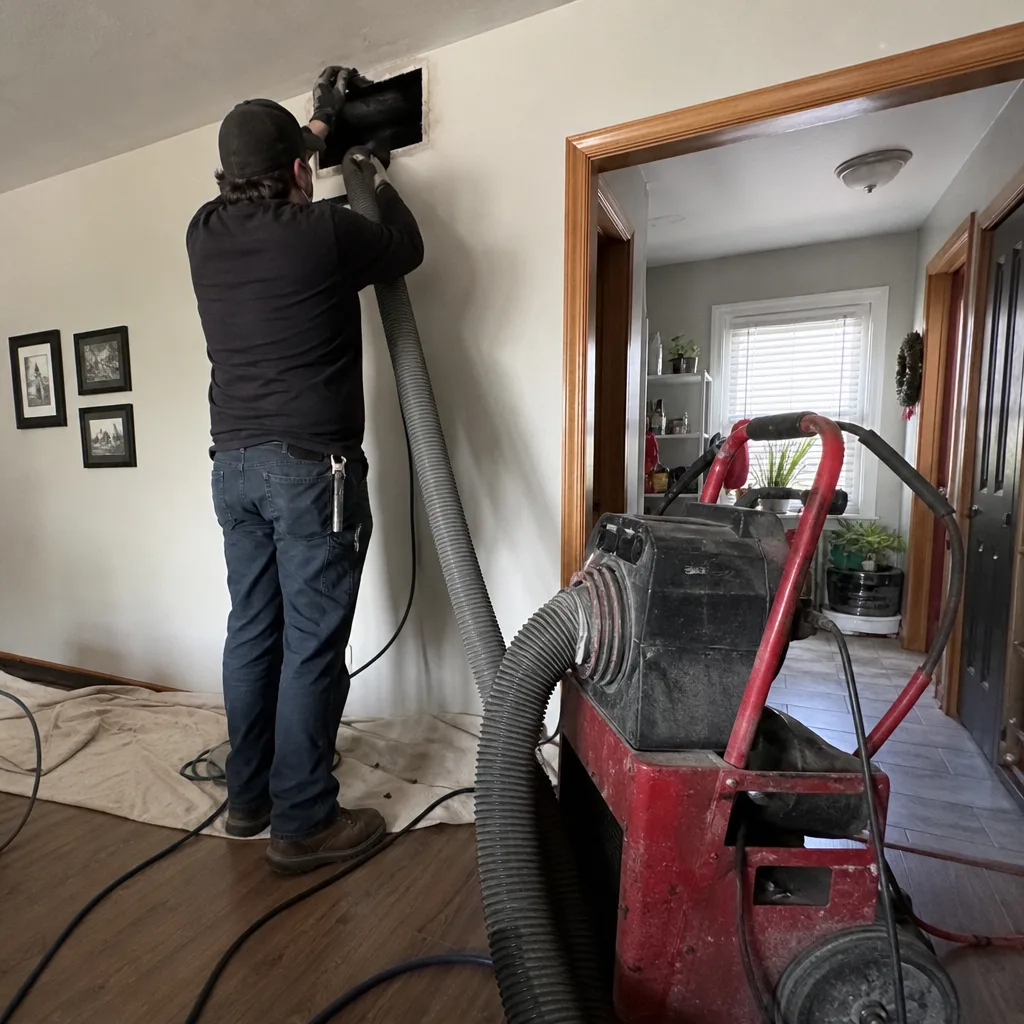 Before
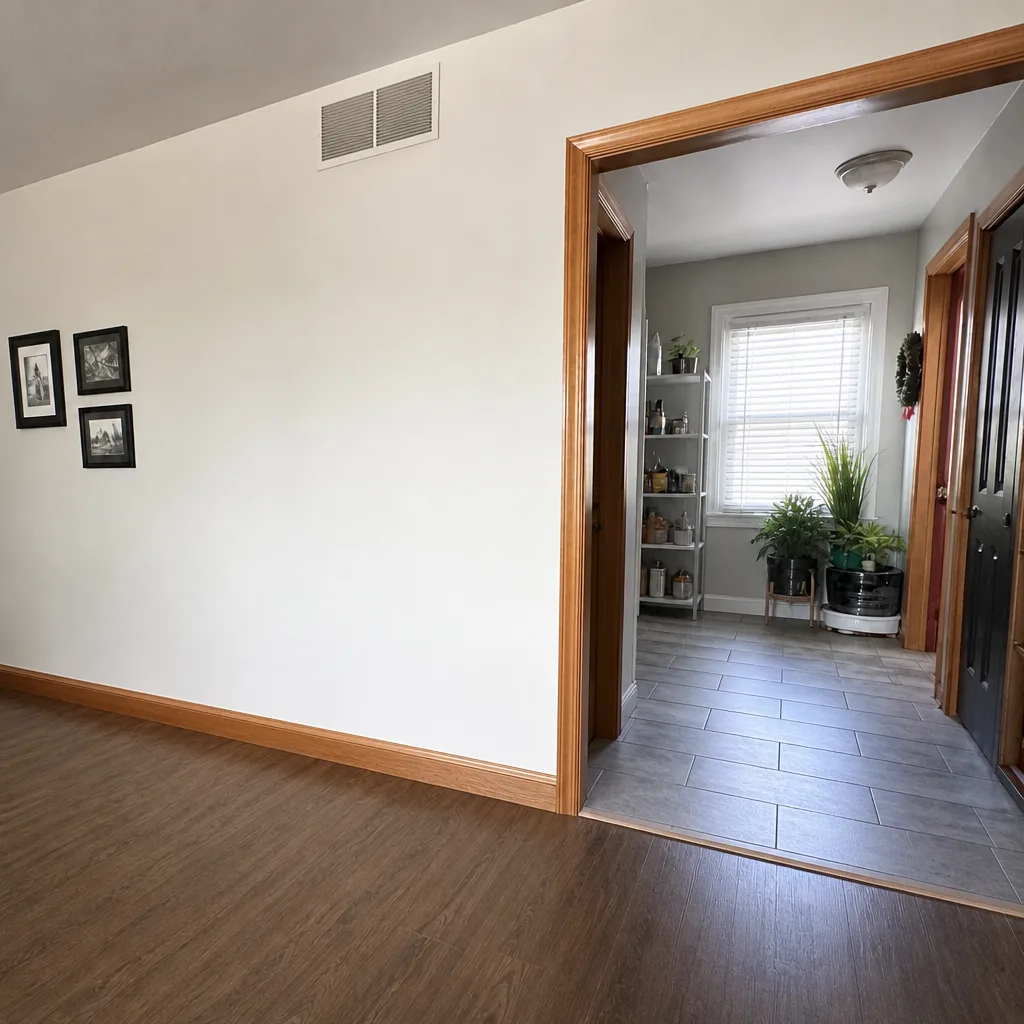 After
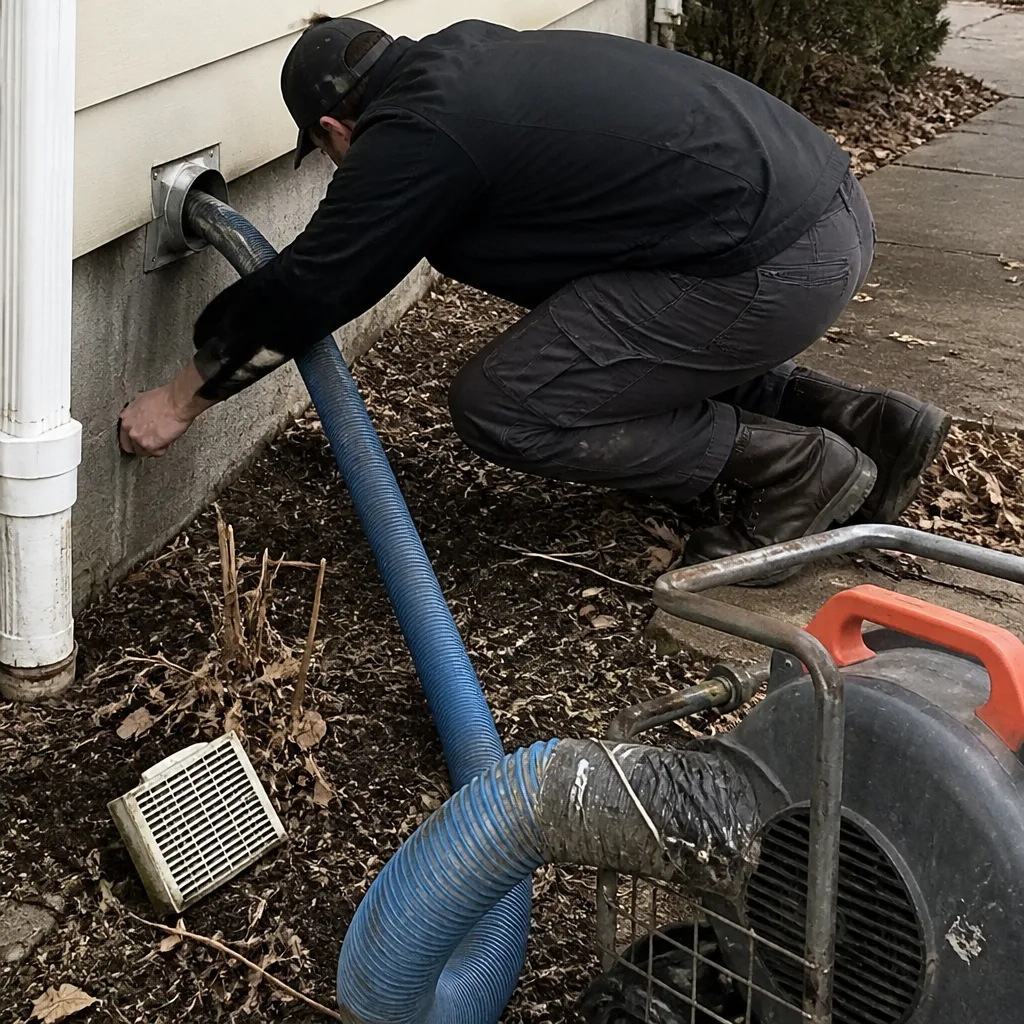 Before
 After
 Before
 After
When to Call a Professional
Call a professional when you see dust blowing from a register at startup, when a musty odor appears with the heat or AC, when allergy symptoms track with high-inversion days in Utah Valley, or when rooms never warm or cool evenly. Call if your home has been renovated recently, if the ductwork is older, or if a previous cleaning felt rushed and undocumented. Duct cleaning is a scheduled job, so there’s no urgency in the timing, but the difference between a surface pass and a full-system clean with sealing is real. Orem Air Duct Cleaning offers free estimates in Orem. Call (855) 726-7143. We answer 24/7. Fast dispatch from 7am to 7pm, Sunday through Friday.
Frequently Asked Questions
Air duct cleaning in Orem is priced per system by written estimate, not per vent, and the estimate reflects the number of runs, whether the coil and air handler are included, and any repair and sealing needed. The written estimate sets the final price, so ask what’s included before work begins. Call (855) 726-7143 for an exact quote. Estimates are free.
A full-system clean on a typical Orem home takes three to five hours. That includes diagnosis, rotary-brush agitation of every supply and return run, plenum and coil cleaning, the leakage check, and sealing if needed. A job finished in under an hour is almost certainly a surface vacuum, not a full-system clean.
Cheaper quotes usually reflect a narrower scope: no return runs, no plenum, no coil, no leakage check, and no documentation. The price looks lower because less work is included. Compare quotes by what each covers, not by the headline number, and ask whether negatives air and HEPA capture are part of the job.
You know the work was done when you see before-and-after photos of your own supply and return boots, plenum and coil, plus a plain-language report of the leakage findings. The collection tank debris and a documented seal list add to it. A contractor confident in the process will show you the coil face and the plenum without being asked.
There’s no fixed interval. Orem’s high-desert dust and winter inversion seasons load a system faster than a mild climate would, and homes with pets, renovations or older ductwork load faster still. Watch for visible dust at registers, musty odor, or symptoms that follow high-inversion days, then schedule based on what you find. Call (855) 726-7143 if you want an honest assessment.
Yes, we can often book same-day work depending on the schedule. Duct cleaning itself is a scheduled job, so the timing that matters is getting the full scope done right, not the speed of arrival. We answer 24/7. Fast dispatch from 7am to 7pm, Sunday through Friday, and we’re closed on Saturday.
The Bottom Line
A complete air duct cleaning in Orem is a sequence, not a single service. It covers supply and return runs, the plenum, air handler and evaporator coil; it uses rotary-brush agitation with negative-pressure HEPA extraction so debris leaves the system rather than the registers; and it ends with a leakage check and sealing so the ducts stay clean. Before-and-after documentation of your actual system is how you verify the work. Orem’s high-desert dust and seasonal inversions make full-system scope matter more here than in a mild climate. Price it per system, get the scope in writing, and ask what’s covered.
Call (855) 726-7143 for a free estimate. We answer 24/7. Fast dispatch from 7am to 7pm, Sunday through Friday.
Written by the team at Orem Air Duct Cleaning.