
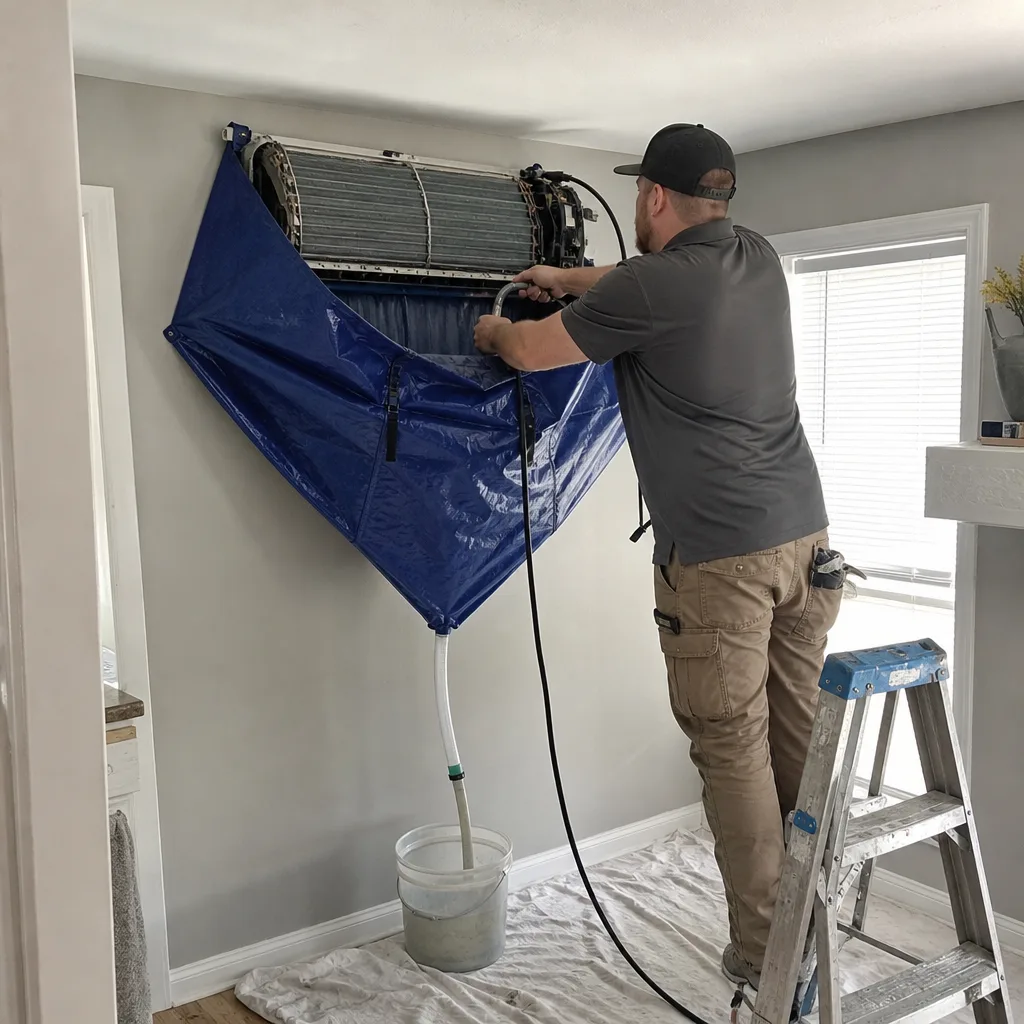
Last updated November 24, 2026
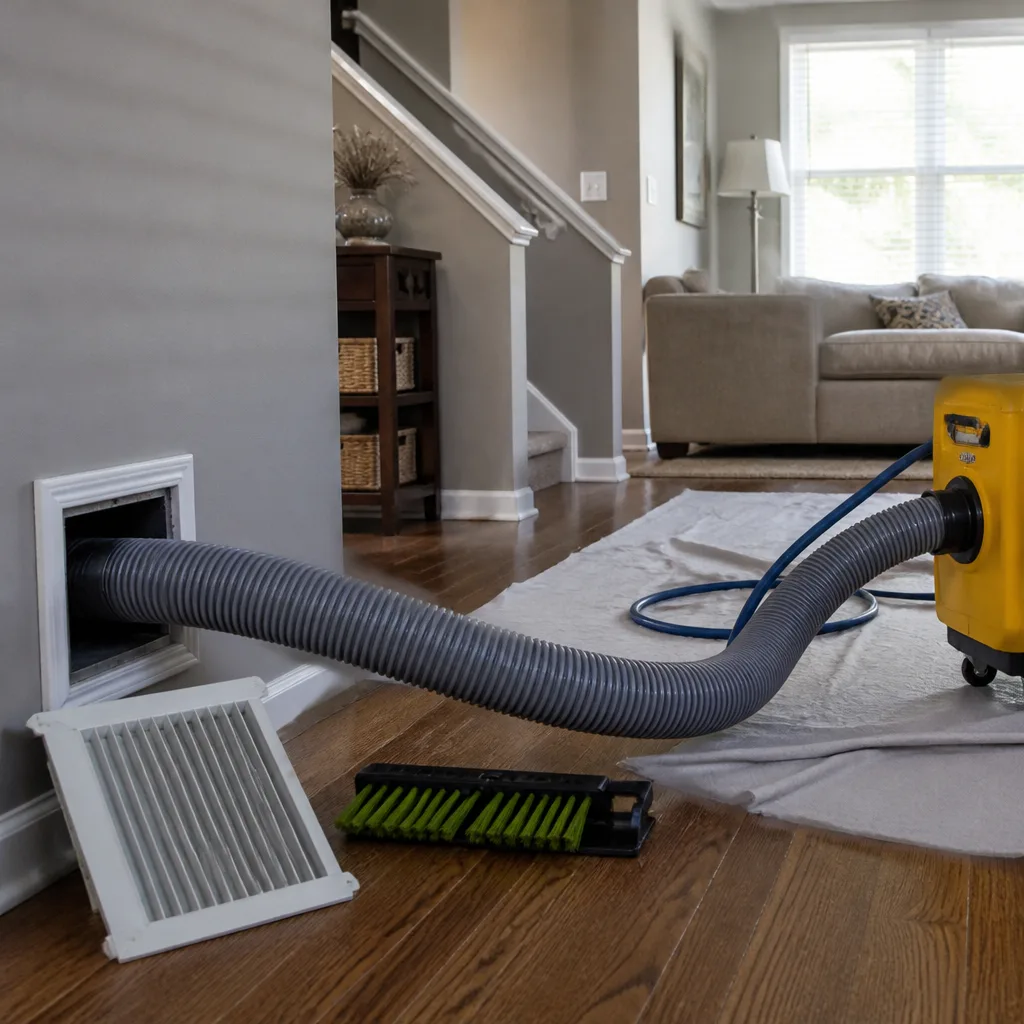 Whole-home duct cleaning
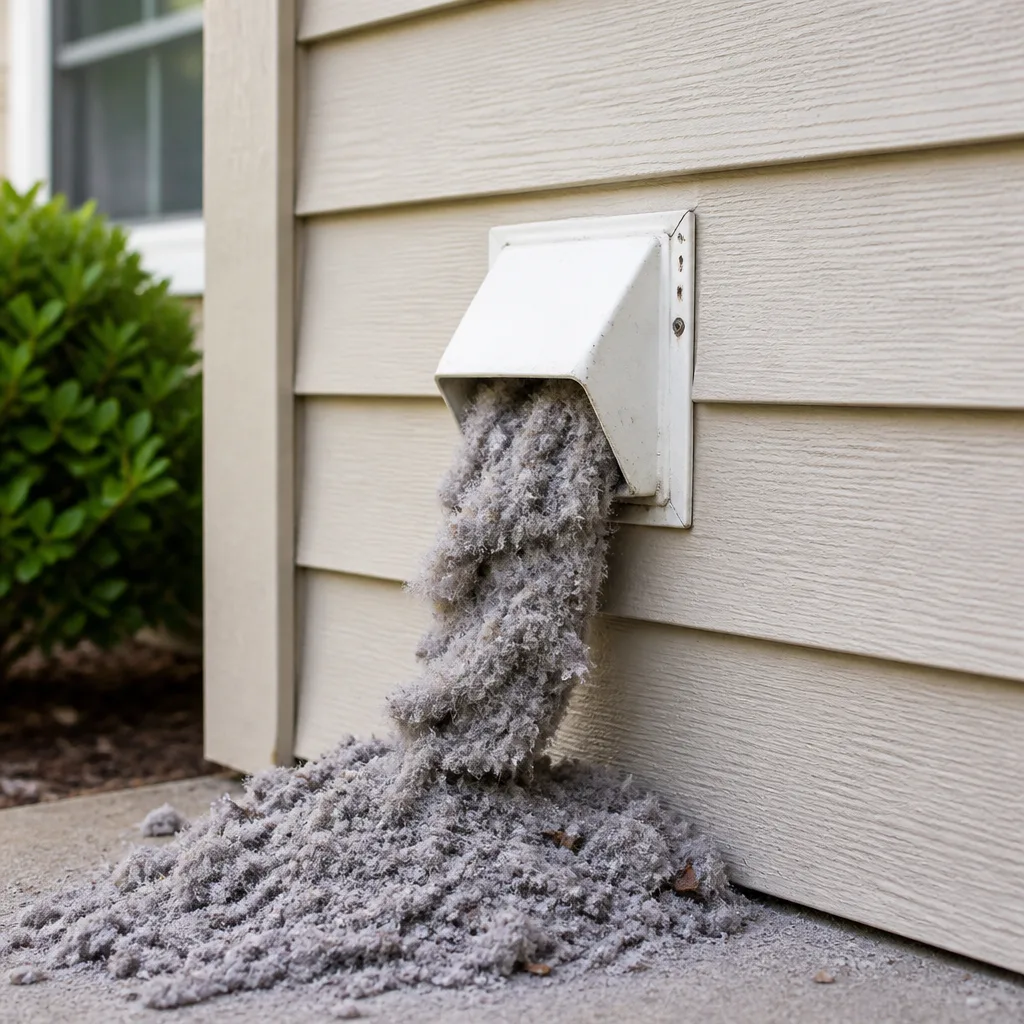 Dryer vent cleaning
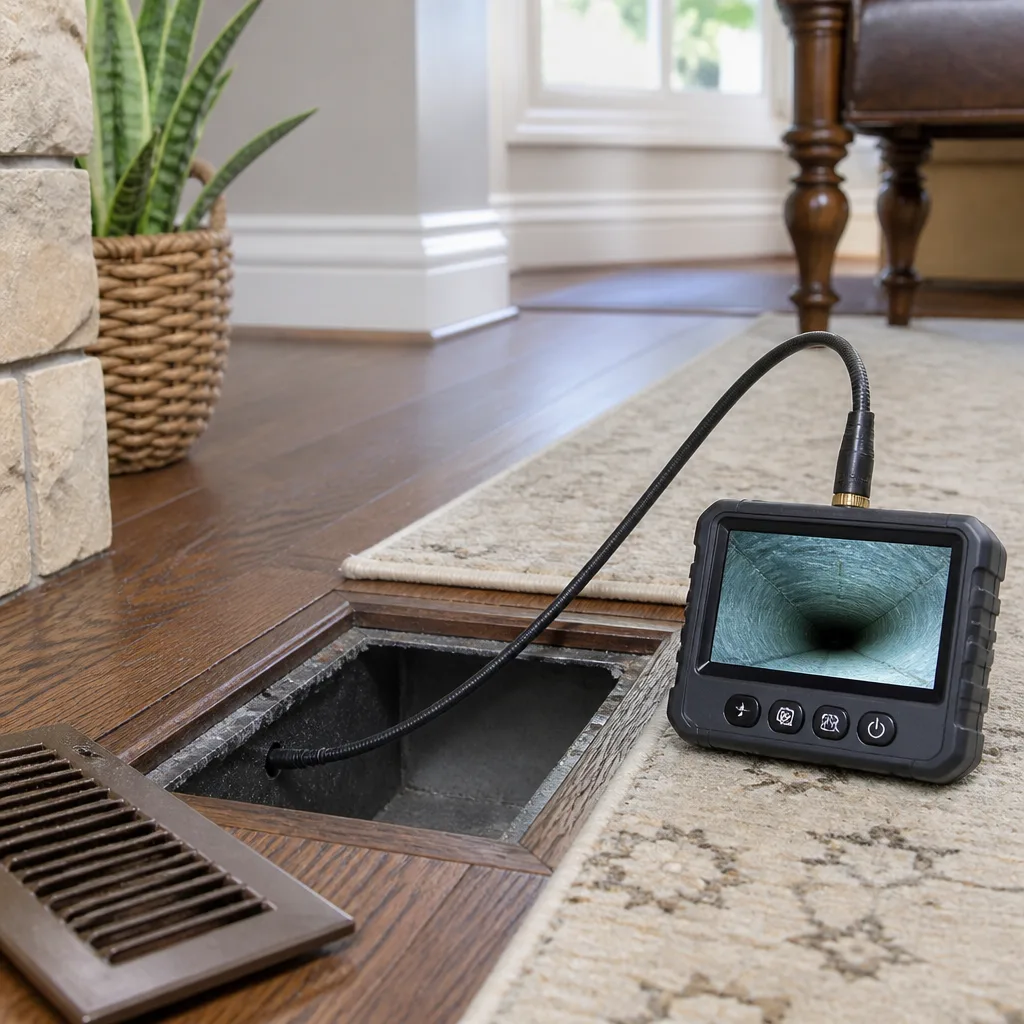 Camera inspection
 Sanitizing & deodorizing
Whole-system duct and dryer vent check with before-and-after photos - you see exactly what came out of your vents
That "$99 whole-house special" is a bait ad - the real number appears once they are in your hallway, or the "clean" is a shop-vac at the register. We photograph the inside of your ducts before and after instead.
Air Duct Cleaning Emergency Preparedness Guide for Orem Homes
Most homeowners treat their ducts like a warranty: invisible, unnoticed, assumed to be working. That assumption is exactly what turns a regional smoke event or a burst pipe into a five-figure remediation. Ducts are infrastructure. They move hundreds of cubic feet of air per minute through every room of your house, and when something enters that pathway, the duct system becomes the delivery mechanism. Routine cleaning addresses buildup over time. Emergency preparedness addresses what happens when an external event dumps contamination into your system in a matter of hours. This guide walks through what to document before an event, how to respond in the first 24 hours of a smoke or water emergency, which HVAC failures contaminate ducts as a secondary effect, and how to set up a service relationship in Orem so you aren’t competing for appointments during a regional crisis.
Quick Answer
Duct system emergency preparedness means documenting your system’s condition before any event, sealing or repairing known duct leaks, and knowing the first-response steps for smoke, water, and HVAC failure. The payoff is a supportable insurance claim, faster remediation, and a duct system that hasn’t become a mold reservoir by the time help arrives. In Orem, where wildfire smoke and spring snowmelt flooding both occur, that preparation is worth more than any single cleaning.
Styles & brands we work with
- Whole-home duct cleaning
- Dryer vent cleaning
- Camera inspection
- Sanitizing & deodorizing
Table of Contents
- Pre-Event Baseline: Documenting Your Duct System
- Wildfire Smoke Infiltration: The First 24 Hours
- Flood and Moisture Emergencies in the Duct System
- HVAC Failures That Contaminate Ducts as a Side Effect
- Duct Repair and Sealing as Preparedness
- Establishing a Service Relationship Before You Need One
- What Professional Remediation Actually Involves
- Documentation That Supports an Insurance Claim
Pre-Event Baseline: Documenting Your Duct System
Photograph and log your duct system’s condition now, before any event. A baseline record is what separates a supportable insurance claim from a disputed one, because it establishes the “before” state that adjusters need to calculate damage.
The problem is that most homeowners discover this only after the smoke has cleared or the water has dried and they’re trying to prove a loss with no reference point. An adjuster reviewing a claim can’t tell whether the visible soot in a return register was there for years or arrived in a single wildfire smoke event. Your baseline closes that gap.
Here’s what to capture, in a format you can retrieve later:
- Photograph every visible register and return grille. Open the grille where possible and photograph the duct interior behind it. Include a date and a reference object (a coin or a ruler works) for scale.
- Photograph the air handler and furnace closet. Show the unit, the filter slot, and the surrounding area, including any staining on the cabinet or the floor around it.
- Log your filter change dates and filter ratings in a simple note file. A filter that was changed two weeks before a smoke event is a data point that matters.
- Note your duct material and layout. Sheet metal, flex duct, and ductboard each respond differently to smoke residue and water. Note where the main trunks run and where any duct passes through unconditioned space, like an attic or crawlspace.
- Record a short baseline airflow observation. Stand near each supply register in a quiet room and note whether the flow feels strong, moderate, or weak. This is your comparand for after an event.
- Note any existing duct damage. Disconnected joints, crushed flex runs, or visible gaps at connection points should be documented even if you plan to fix them later, so they aren’t attributed to the event.
Store this record in the cloud, not on a phone that could be lost. In Orem, where homes range from mid-century builds near the university area to newer construction with tight ductwork, the specifics of your system will vary, but the documentation process doesn’t.
Wildfire Smoke Infiltration: The First 24 Hours
When wildfire smoke reaches your neighborhood, the first move is to stop the duct system from pulling outside air into the house. Set your thermostat to “fan off” or “on” with the system running continuous indoor circulation only, and close all windows and exterior doors. If your system has a fresh-air intake or economizer, close it manually.
The counterintuitive part: running your HVAC in “auto” or a normal cooling cycle isn’t automatically wrong, but running it while a fresh-air damper is open or while an attic duct has a leak is. Smoke doesn’t need an open window to enter; it will find gaps in the building envelope, cracks in attic ductwork, and a return pressure imbalance, and your system will then distribute it to every room at the same time.
Here’s the first-24-hour sequence we recommend:
- Close the house. Windows, doors, the fireplace damper, and any exterior air intake. If the HVAC system draws combustion air from outside for a gas appliance, leave that alone and don’t interfere with it.
- Run the indoor blower on continuous, filter-only mode if your system allows it. This keeps indoor air moving through a high-efficiency filter rather than pulling fresh smoke in. If your system doesn’t support fan-only operation, leave it in normal auto and closer the intake points.
- Remove and note the filter condition. A clogged filter loaded with smoke particulate is not filtering; it’s recycling. A fresh filter is a legitimate first-hour action. Note the date.
- Don’t run exhaust fans without an equal makeup air path. Kitchen and bath exhaust fans pull air out; every cubic foot that leaves gets replaced by air coming in, and if the house is closed against smoke, much of that replacement is smoke leaking through gaps.
- Photograph the registers. This is a live documentation moment. Photograph any visible staining that appears on the register faces or filter, and note the day and time.
- Once the air clears, get an inspection before running normal cycles. Smoke residue is acidic and fine; it settles into duct walls, and it will redistribute every time the system cycles. A professional inspection determines whether cleaning is needed.
Smoke residue loading is cumulative. A short event that leaves a light haze in the air may deposit fine particulate in low-airflow sections of the duct, like the final flex runs to bedrooms and the return trunk near the floor. That’s why post-event inspection matters even when the visible mess is minimal. For homeowners in Orem, the events with the most impact tend to also be the ones where everyone’s system needs attention at once, and we cover how to avoid that scramble in our section on setting up a service relationship.
Flood and Moisture Emergencies in the Duct System
When water enters a duct system, the remediation sequence is extraction first, then drying and dehumidification, then cleaning and treating the duct interior, and inspection for both moisture and mold. Timing matters because mold can begin establishing in a damp duct system within 48 to 72 hours of water intrusion.
Water gets into ducts in more ways than homeowners expect. A roof leak that tracks into an attic duct run, a washing machine line failure that floods the mechanical room, a basement sump failure that backs up into a return, or a condensate drain that clogs and overflows inside an air handler all put moisture in the same place. In Orem, spring snowmelt and summer thunderstorm runoff both create ground saturation that finds low points, and crawlspaces are common in older neighborhoods.
What to do in the first hours:
- Shut off the HVAC system. Running a blower through a wet duct distributes moisture to more of the system and can force water into components not designed for it. Stop the equipment before you do anything else.
- Stop the water source and document the scene. Photograph and video the wet areas, the water level lines on any affected surface, and the duct connections. This documentation is what makes the claim.
- Extract standing water and begin structural drying. Air movers and dehumidifiers applied to the surrounding structure. Do not run heat through the duct system to dry it; heat alone without airflow and dehumidification can bake moisture into materials.
- Don’t spray anything into the ducts. Encapsulants, bleach, or household sanitizers applied to wet duct interiors can trap moisture under a coating and hide the problem. Let the professional remediation team determine what’s appropriate after drying.
- Get a moisture inspection. A technician can use moisture meters and visual inspection through access points to determine how far water traveled. Water often moves further than the visible wet spot suggests.
For a wet duct system, professional remediation uses negative-air containment and HEPA filtration equipment to control what’s dislodged during the cleaning, then applies an appropriate antimicrobial or encapsulant only after the duct is confirmed dry. We carry Abatement Technologies HEPA units for this reason: contamination control during the job is what prevents the mold spores from contaminating the rest of the house.
HVAC Failures That Contaminate Ducts as a Side Effect
A cracked heat exchanger can push combustion byproducts into the supply airstream instead of the flue, contaminating the duct system and the indoor air. A refrigerant leak doesn’t contaminate the duct interior, but a system that has lost charge fails to dehumidify, which raises duct moisture and creates a mold risk. Both are reasons an HVAC failure is also a duct system event.
Two failure types matter most for preparedness:
- Cracked heat exchanger in a gas furnace. This is a safety issue first and a duct cleaning issue second. If you smell combustion odors, notice soot around the furnace cabinet, or a carbon monoxide alarm sounds, stop using the heating system, ventilate, and get the system inspected before it runs again. Duct cleaning is the secondary step after the combustion source is corrected and the equipment is repaired or replaced.
- Low refrigerant or a failed condensate system. Cooling that’s lost charge runs warmer and longer, and a failed condensate drain introduces water inside the mechanical closet. Neither damages the duct walls directly unless moisture persists, but both raise humidity in the system and warrant inspection.
If a heat exchanger has cracked and combustion products entered the supply, the duct interior should be cleaned and inspected after the equipment is repaired. We use Rotobrush rotary-brush systems to physically scrub duct walls rather than just vacuum the surface, which is what removes residue that has settled into the metal. For the full-system side of that work, see our HVAC cleaning service page. If you’ve never had the furnace inspected, an annual equipment check is the cheapest way to catch a failing exchanger before it contaminates anything.
Duct Repair and Sealing as Preparedness
Sealing duct leaks before an event is the single highest-value preparedness step most homeowners skip. Every gap in your ductwork is a pathway for smoke, moisture, and outside particulate to enter the system directly, without ever passing through a filter.
In our experience, attic and crawlspace duct runs are where the worst leaks hide. Flex duct connections that have slipped, taped joints that have failed in a hot attic, and disconnected runs after a remodel all let air in from a space that is neither filtered nor conditioned. During a smoke event, those gaps are the difference between a system that mostly filters the air and one that recirculates it.
What duct repair and sealing actually involves:
- Locating leaks at joints, connections, and penetrations using inspection and, where needed, pressure testing.
- Sealing joints and connections with appropriate sealant or mastic, not just tape, so the seal survives thermal cycling in an attic.
- Repairing disconnected or crushed runs so the duct system delivers the airflow its design calls for.
- Confirming improvement by observation of register airflow and, where applicable, static pressure measurements before and after.
A sealed duct system delivers cleaner air during routine operation and dramatically reduces infiltration during a smoke event. It also reduces the load on your HVAC equipment, which is the part of the system that has to work harder when a supply run is losing air to the attic. See our Orem Air Duct Cleaning page for the full scope of repair and sealing work.
Establishing a Service Relationship Before You Need One
Set up your duct service relationship during a quiet week, not during a regional smoke event. When half the valley is calling at once, appointment calendars fill, and homeowners without an existing relationship are competing for the same slots as everyone else.
The practical version of this: have an air duct cleaning performed on a normal schedule, review the report the technician produces, and keep that report with your baseline documentation. That gives you a provider who knows your system and a record of its condition. If you later experience a smoke event, a water intrusion, or an HVAC failure, the conversation starts from a known baseline rather than from zero.
Two things to confirm during that first relationship visit:
- Ask what a post-event inspection includes. A good answer describes visual inspection of the air handler and duct interior, moisture assessment where relevant, and a written assessment of findings before any cleaning proposal.
- Ask how the work is priced. We quote one flat price per system, agreed in writing before any work starts, rather than pricing per vent. Per-vent pricing is how a small job becomes a large invoice once the technician is on site.
For dryer vent work specifically, our dryer vent cleaning page covers the schedule. It’s a separate system, but the same principle applies: get it documented and maintained before an emergency, not during one.
What Professional Remediation Actually Involves
Professional duct remediation during an emergency is a contamination-control job, not a cleaning job. The equipment matters because it determines whether dislodged debris is captured or simply redistributed through the house.
Here’s what the equipment actually does:
- Rotary-brush cleaning (Rotobrush). A motorized brush travels the duct interior and physically scrubs the duct walls. Vacuum alone removes loose debris; the brush removes residue that has bonded to the metal.
- Negative-air extraction (Nikro). The duct system is placed under negative pressure during cleaning so dislodged material is captured at the source rather than pushed into the occupied space.
- HEPA filtration (Abatement Technologies). HEPA units filter the air being extracted. This is the contamination-control standard used in remediation work and is what separates a containment-style job from an open-vacuum job.
- Post-cleaning treatment (Guardsman). Where appropriate, ducts are sanitized or given a protective coating after cleaning. Treatment comes after cleaning and drying, never instead of them.
- Long-term air quality equipment (Aprilaire, Honeywell). Clean ducts are step one. Filtration and humidity control systems from these brands help maintain air quality between service visits, and are installed and serviced as part of the same relationship.
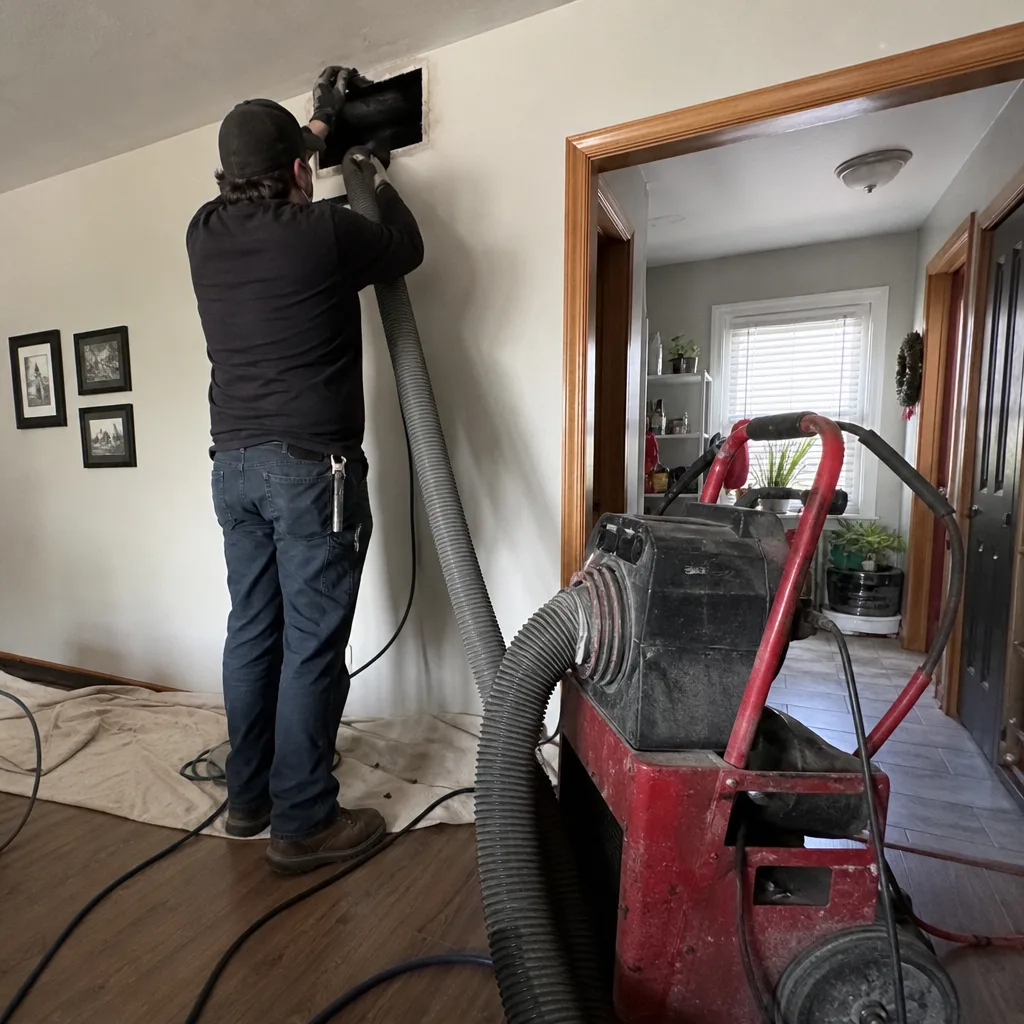
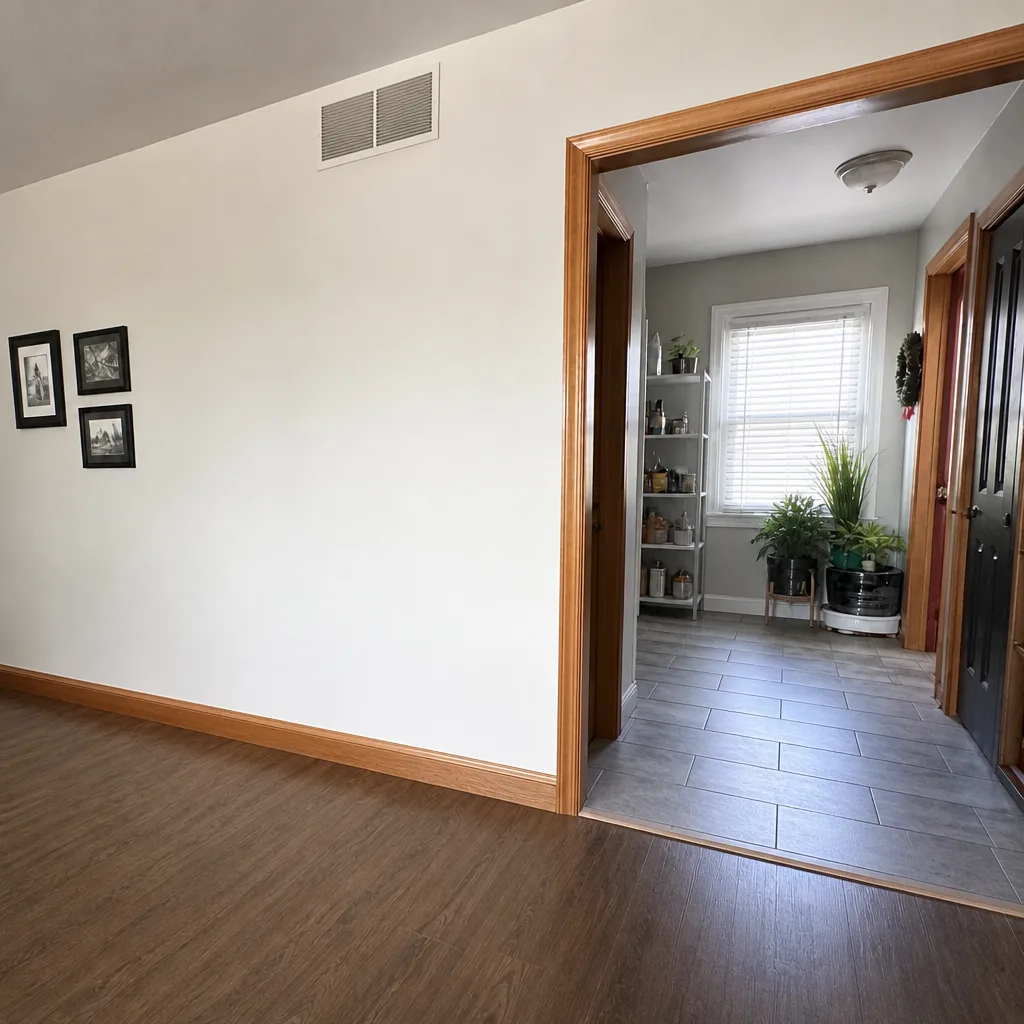
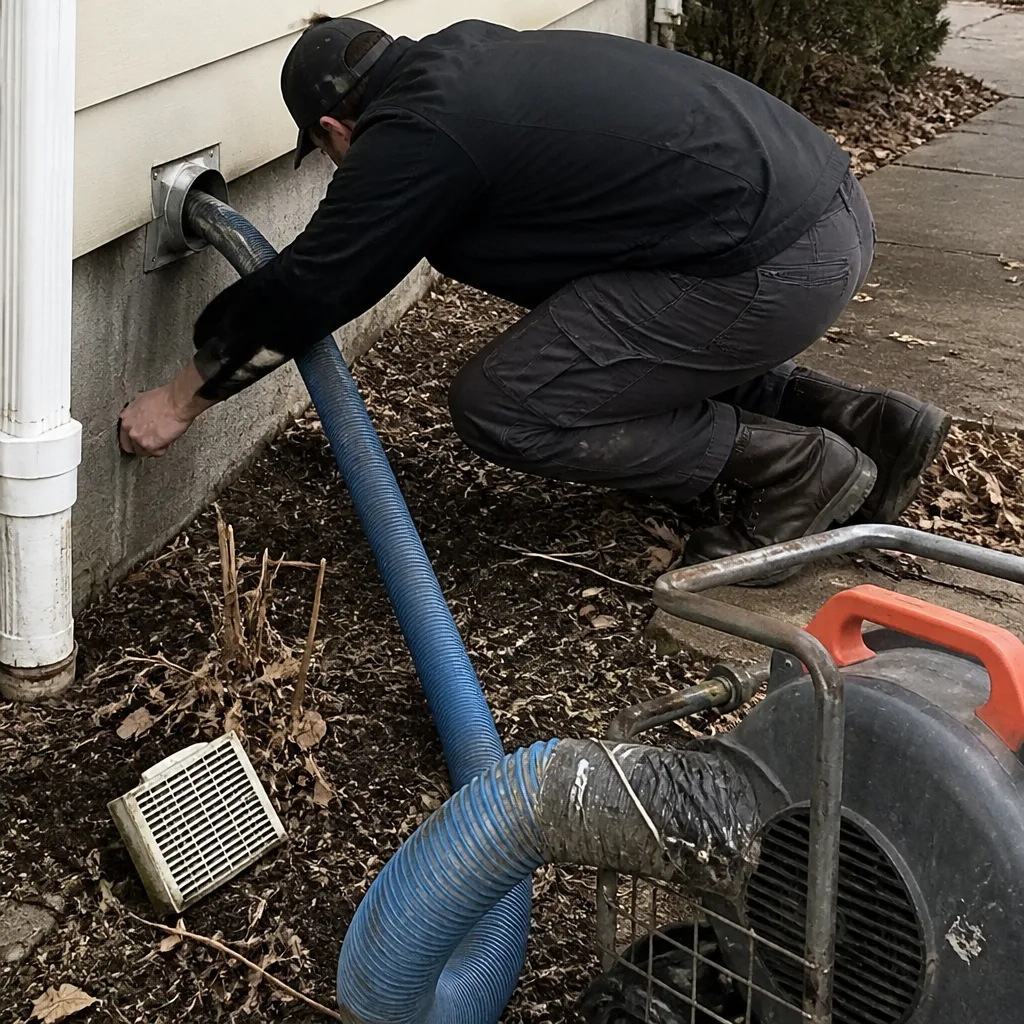
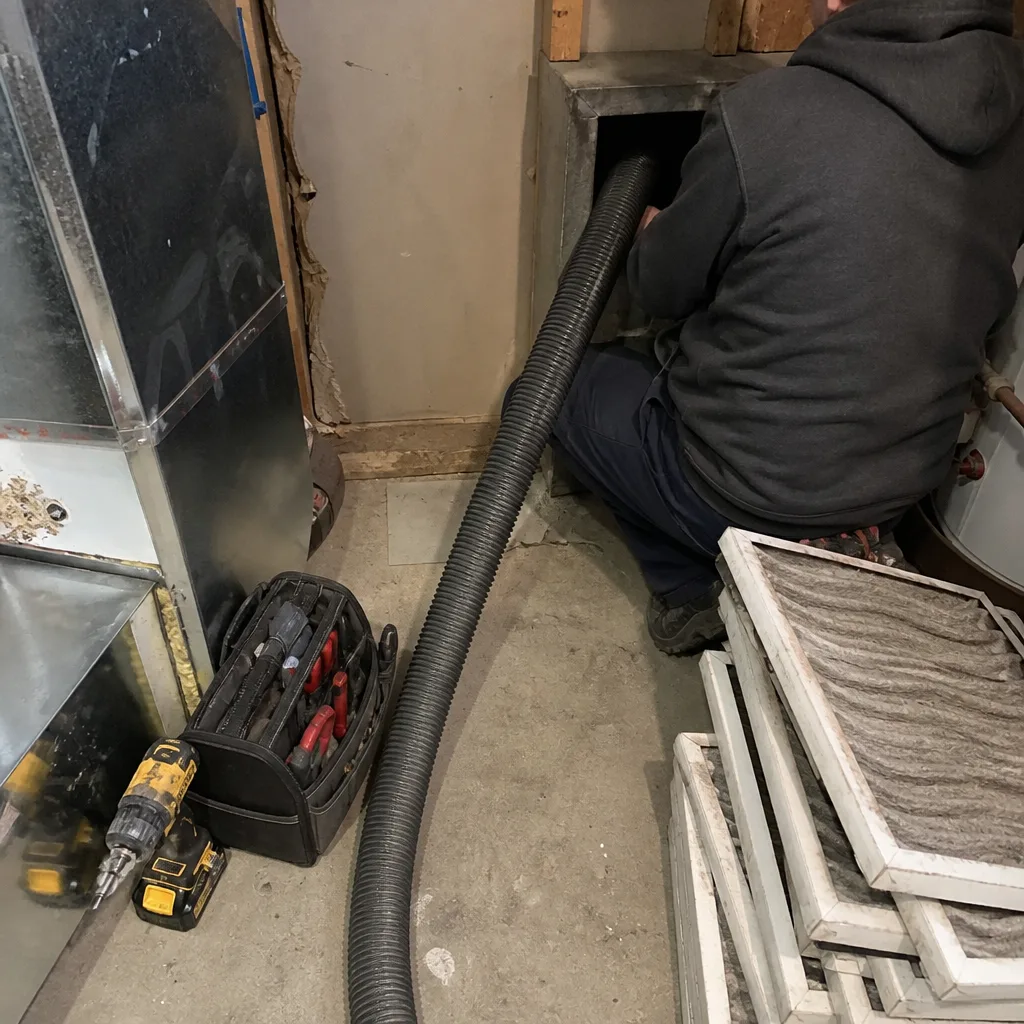
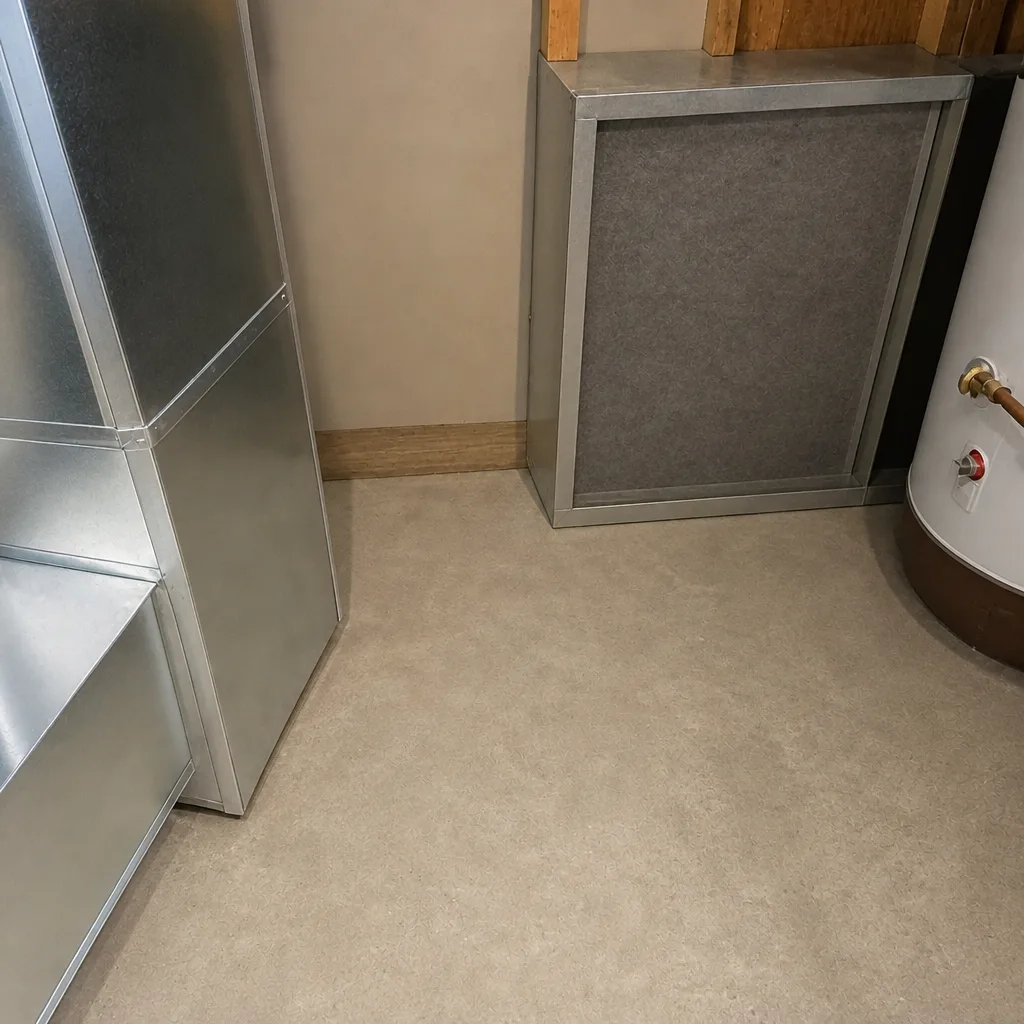
On a routine cleaning, most of that equipment is used in a lower-drama version of the same process. On a post-event remediation, the containment and documentation are the point. Either way, you should see before-and-after photos of your own ducts, not stock photos, as part of the report.
Documentation That Supports an Insurance Claim
A duct system insurance claim succeeds on documentation, not on description. Adjusters work from evidence: dated photographs, moisture readings, and a written assessment from a qualified technician. Build that record from the moment you notice a problem.
What makes a claim stand up:
- Before-and-after photographic evidence with dates, and with the technician’s written finding of the duct condition.
- A baseline record. Your pre-event photos and filter logs are what let the adjuster see the difference.
- A written scope of work and estimate that itemizes what was cleaned, repaired, sealed, or treated. This is the same flat, written estimate that sets the final price.
- Moisture readings on any water claim, taken before drying begins and after drying is confirmed.
We can work with your insurer on the documentation side. The important point is that the record gets built the day of the event, not the week after, because cleanup activity and further weather both erase evidence fast.
Common Mistakes to Avoid
- Running the system through a smoke event with the fresh-air intake open. The intake is exactly what pulls outside air in. Locate and close it before the event, not during.
- Skipping the baseline photos because “nothing has happened yet.” That’s precisely why they’re valuable. Every claim needs a before state, and after an event it’s too late to create one.
- Spraying encapsulant or sanitizer into wet ducts. A coating over moisture traps it. Dry first, then treat, and let a professional make the call on the sequence.
- Waiting to call until everyone else has. In Orem, a valley-wide smoke event fills calendars quickly. An established service relationship is what puts you in the queue.
- Accepting a per-vent quote during an emergency. Per-vent pricing is exactly the structure that turns into a bigger invoice once the technician is on site. Ask for a flat price per system in writing.
- Assuming a heat exchanger crack doesn’t affect the ducts. If combustion products got into the supply airstream, the duct system is a secondary contamination site that needs cleaning after the equipment is fixed.
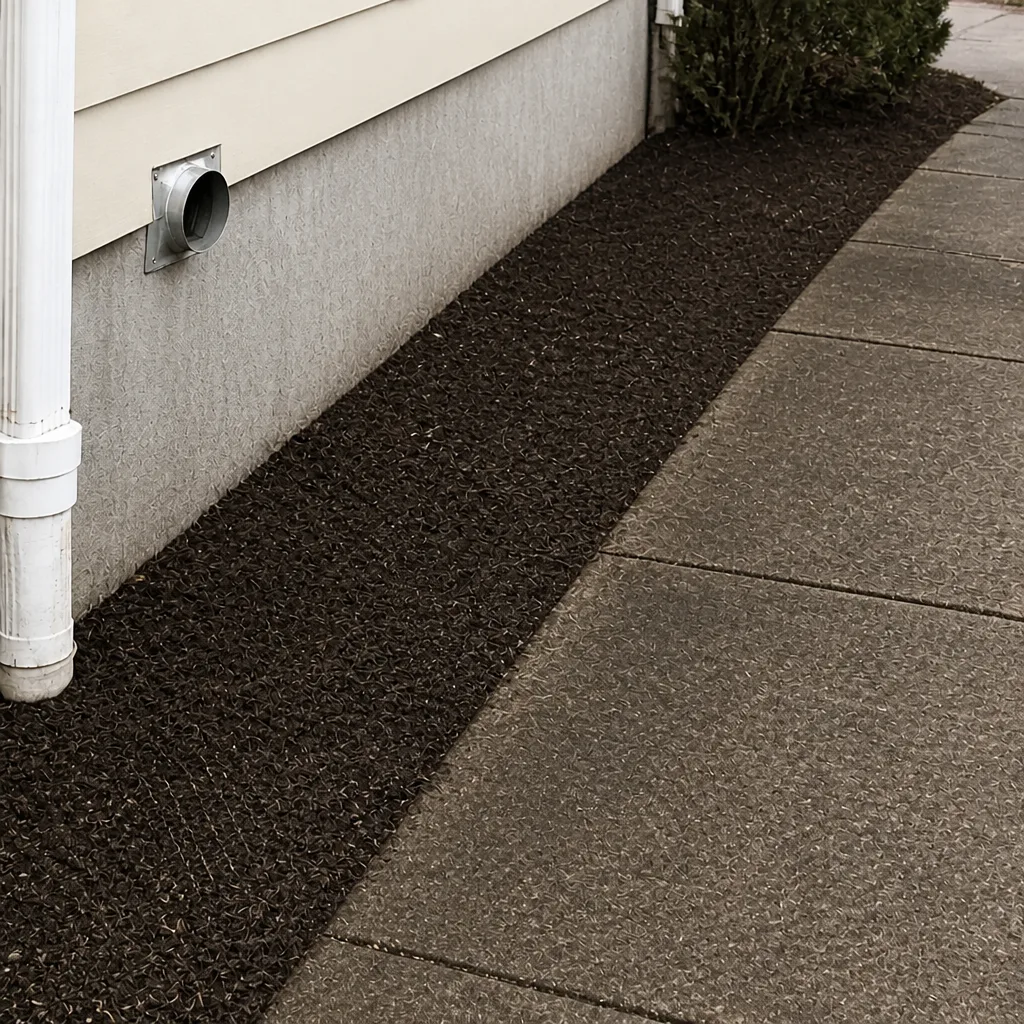
- Trusting a cleaning with no before-and-after photos. If the report shows stock images instead of your own registers, you can’t tell what actually happened.
See the difference
 Before
 After
 Before
 After
 Before
 After
When to Call a Professional
Call a professional after any smoke event that deposited visible particulate indoors, after any water intrusion that reached ductwork or the air handler closet, and after any HVAC failure that pushed combustion products into the supply airstream. Also call if you notice persistent musty odors when the system starts, uneven airflow that didn’t exist before, or a visible staining pattern around registers. These are signs that something entered the system that routine maintenance doesn’t address. And call before you need one: setting up a normal cleaning and inspection schedule now gives you a documented baseline for any future claim. Orem Air Duct Cleaning offers free estimates in Orem: call (855) 726-7143. We answer 24/7. Fast dispatch from 7am to 7pm, Sunday through Friday.
Frequently Asked Questions
Smoke residue in a duct system persists until it’s physically removed, and it redistributes into the living space every time the system runs. Fine smoke particulate and acidic residue settle on duct walls and in low-airflow sections like final flex runs. Time alone doesn’t clear it; an inspection after the event determines whether cleaning is needed.
It often does when the contamination is tied to a covered event, but the claim depends on documentation. Dated photos, a baseline record, and a written scope of work from a qualified technician are what support it. We can work with your insurer on the documentation side. Call (855) 726-7143 for a free estimate.
A shop vacuum will reach visible dust at the register but won’t touch the duct walls or the attic runs where smoke settles. It also tends to push fine particulate back into the air because it has no HEPA containment. Rotary-brush cleaning with negative-air extraction is what actually removes bonded residue.
Only a baseline record settles that question. Photograph your registers, air handler, and duct interior before anything happens, and log your filter change dates. With that record, an adjuster or technician can tell new contamination from old.
Shut off the HVAC system, stop the water source, and document the wet areas before you start drying. Then extract standing water and get a moisture inspection. Mold can establish in a damp duct system within 48 to 72 hours, so timing is the whole thing. Call (855) 726-7143 for an inspection.
Yes, because the supply airstream passes over the heat exchanger and then through the ducts. If combustion products enter that airstream, they travel through the system and into every room. Repair the equipment first, then have the duct system inspected and cleaned.
The Bottom Line
Duct system preparedness is infrastructure work: document the system before an event, seal the leaks that let outside contamination in, know the first-24-hour response for smoke and the 48-to-72-hour window for water, and establish a service relationship during a quiet week. Do those four things and a smoke event or a burst pipe becomes a documented, manageable job instead of a scramble. Orem sits in a valley where wildfire smoke and spring snowmelt both put your duct system at risk. Our technicians have up to 10 years of experience with the equipment this work requires. Call (855) 726-7143 for a free estimate. We answer 24/7. Fast dispatch from 7am to 7pm, Sunday through Friday.
Written by the team at Orem Air Duct Cleaning.