
Last updated November 24, 2026
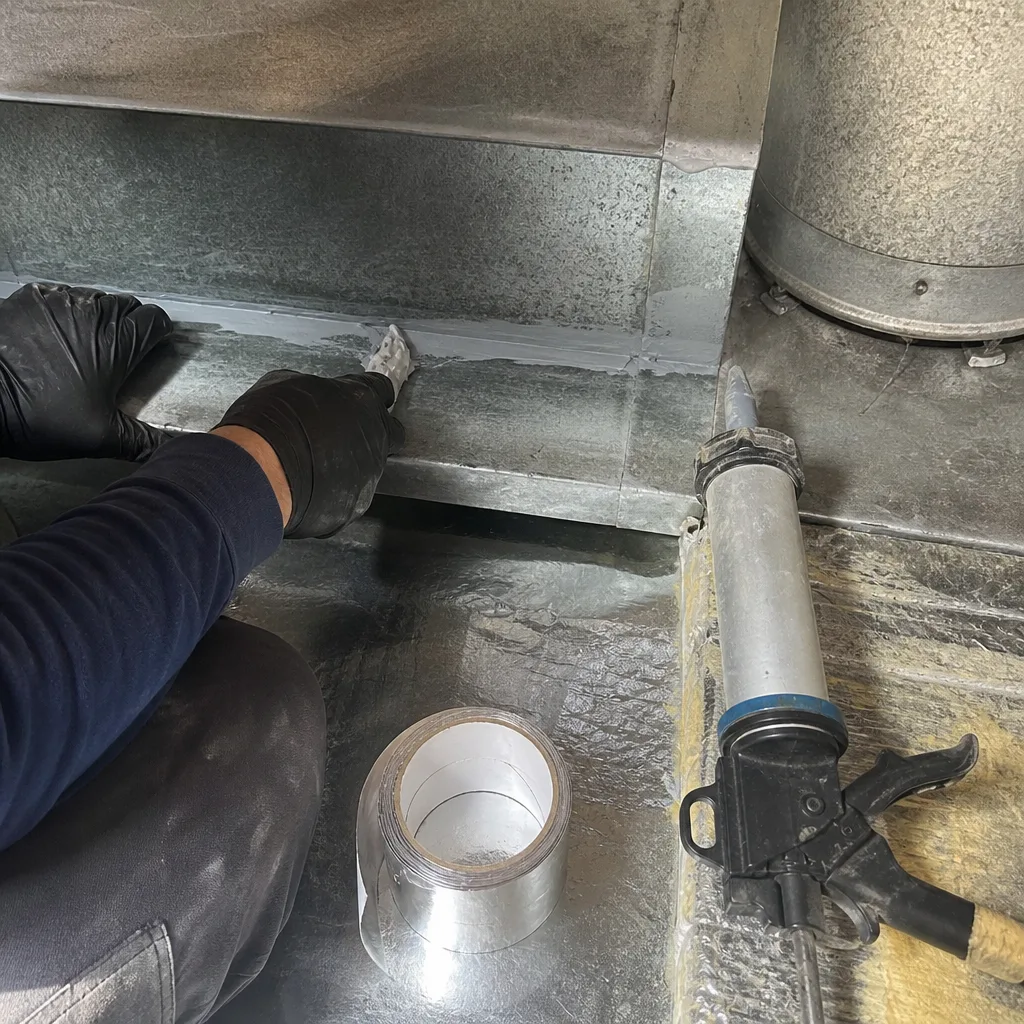
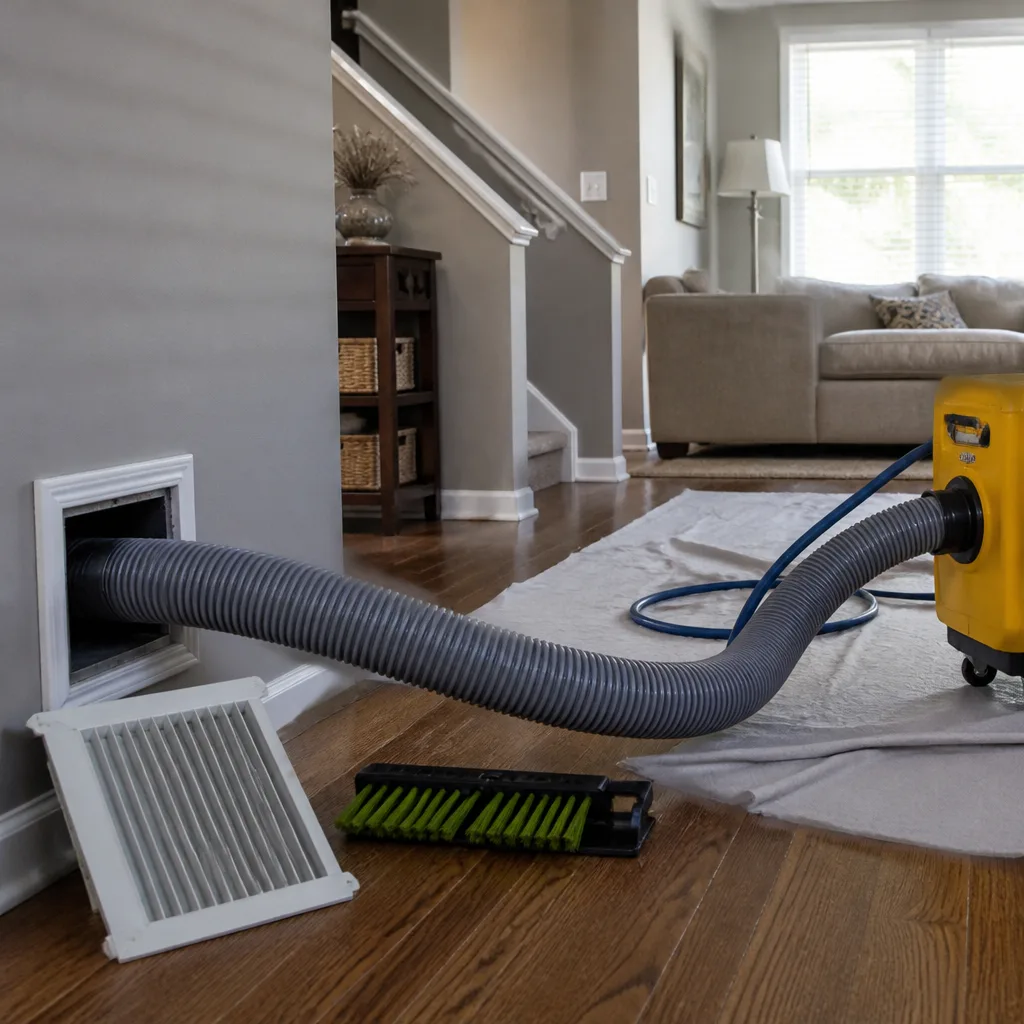 Whole-home duct cleaning
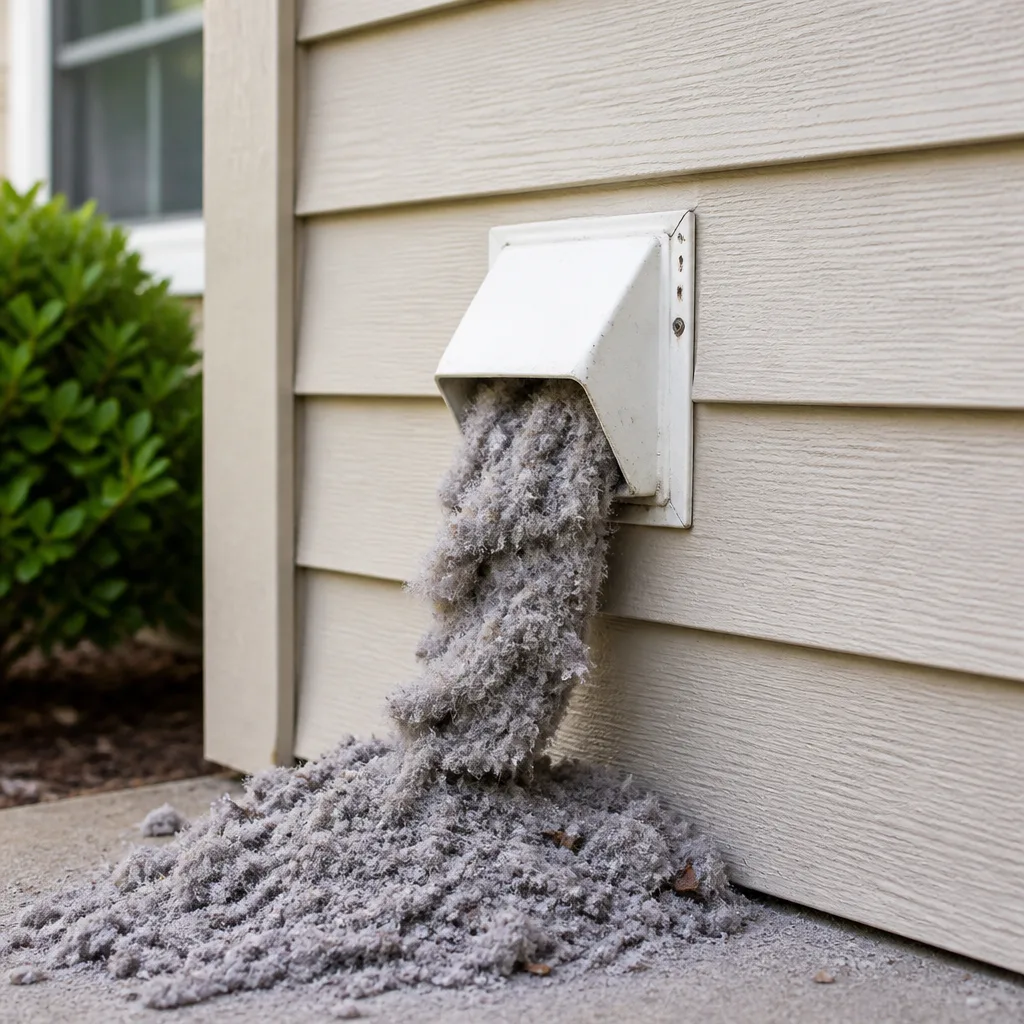 Dryer vent cleaning
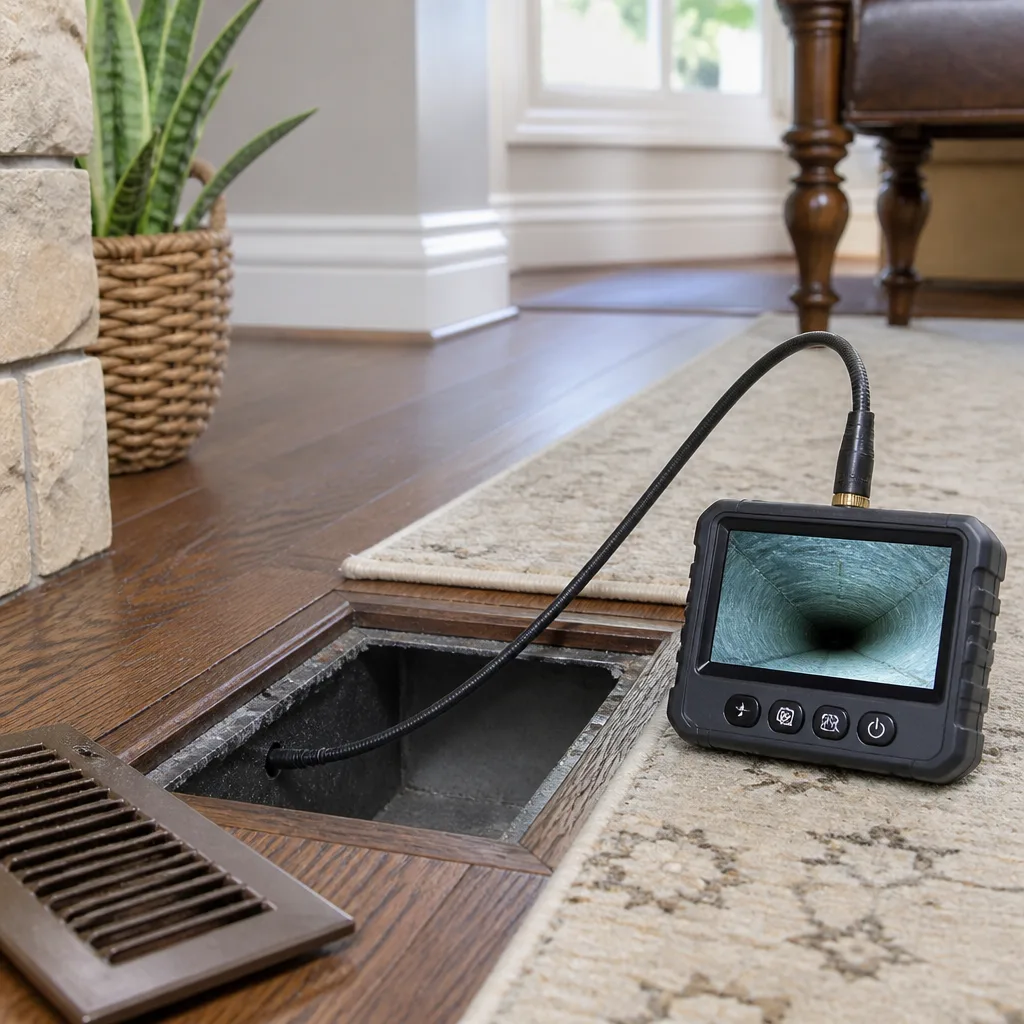 Camera inspection
 Sanitizing & deodorizing
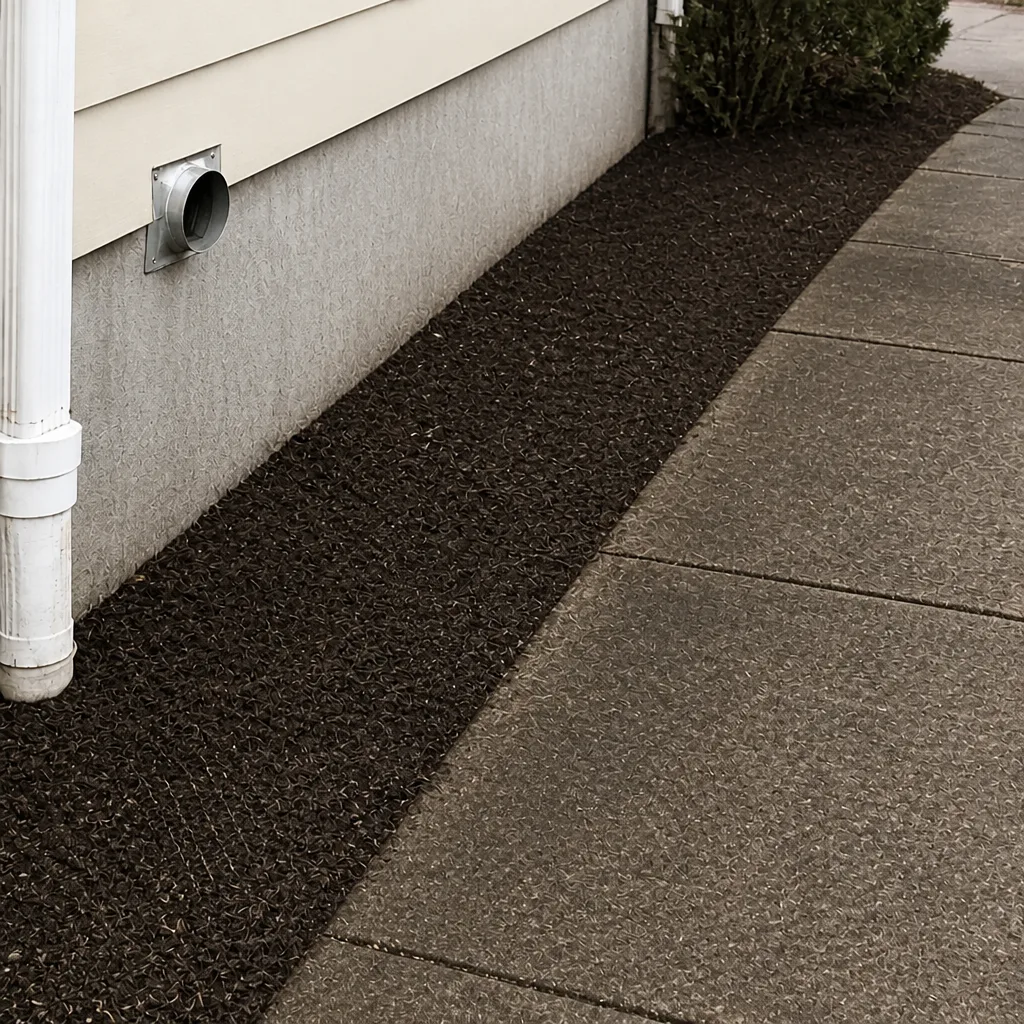
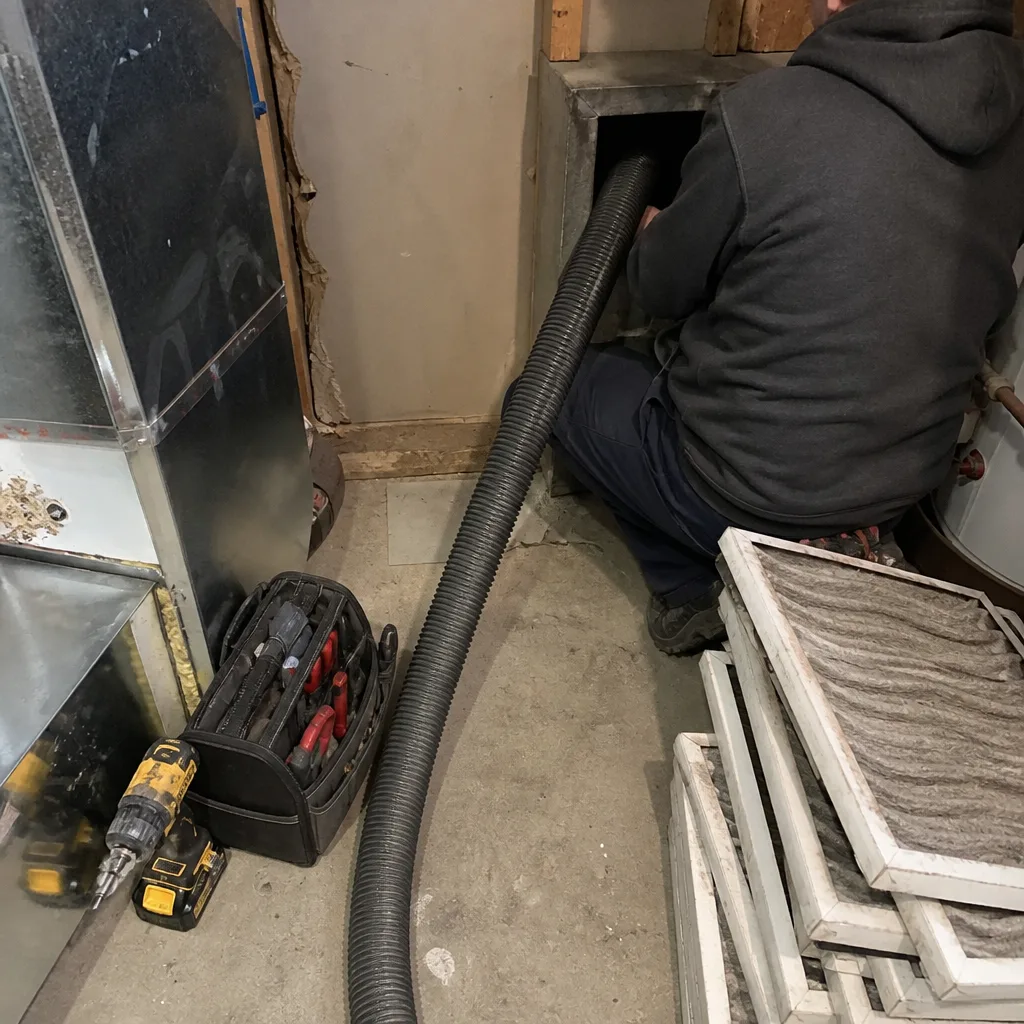
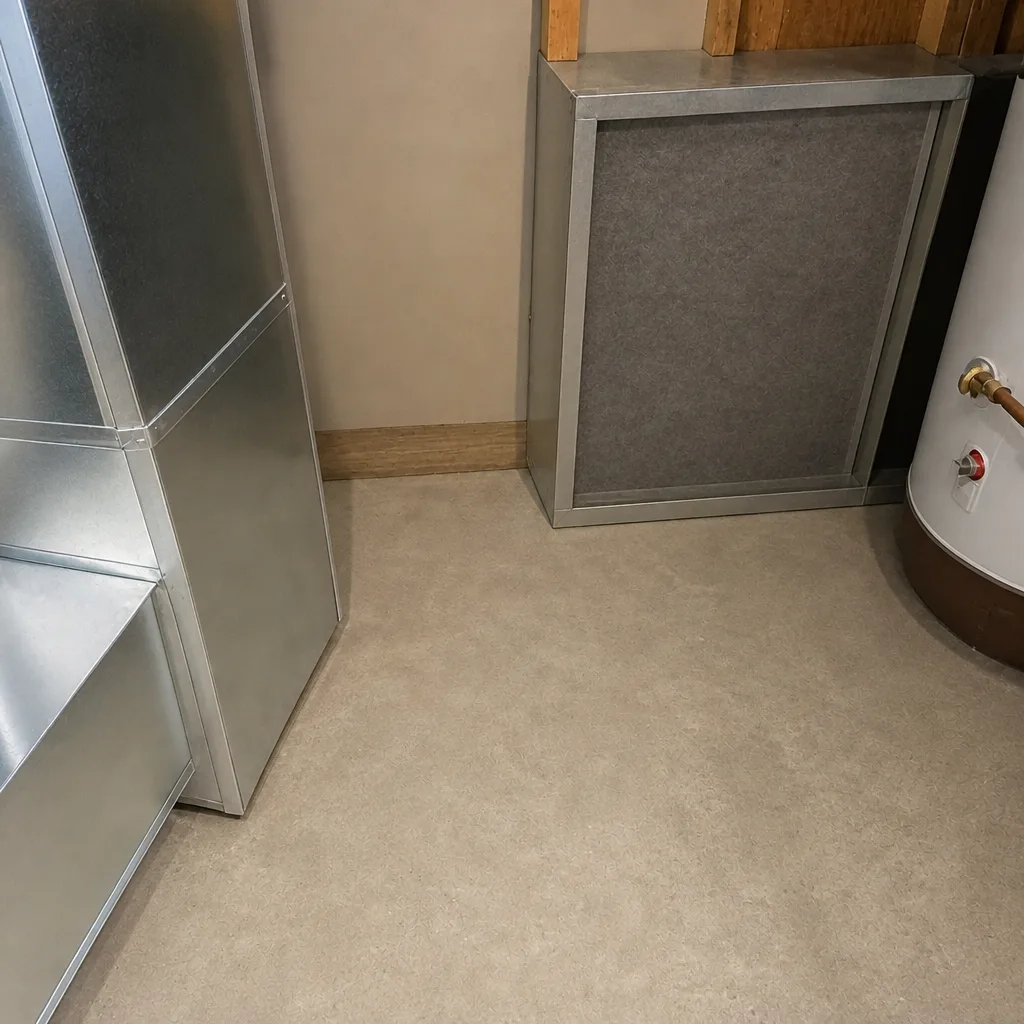
Whole-system duct and dryer vent check with before-and-after photos - you see exactly what came out of your vents
That "$99 whole-house special" is a bait ad - the real number appears once they are in your hallway, or the "clean" is a shop-vac at the register. We photograph the inside of your ducts before and after instead.
Air Duct Cleaning Permits, Codes & Inspections in Orem, UT: What You Need to Know
Nobody pulls a permit to vacuum out your ducts. Duct cleaning is maintenance, and maintenance doesn’t require a city inspector to sign off. But there’s a line most homeowners never see: the moment a technician recommends sealing a disconnected trunk line, replacing a crushed flex run, or cutting new ductwork into a wall cavity, the work can cross from maintenance into construction. That’s when Orem’s permit rules kick in, and most contractors won’t tell you which side of the line they’re standing on. This guide walks through how Utah classifies duct cleaning versus duct modification, what Orem City expects when repair work begins, and how an unpermitted job can come back to haunt a resale or an insurance claim.
Quick Answer
Air duct cleaning itself does not require a permit in Orem, Utah. Duct repair, duct replacement, or any new ductwork that alters the HVAC system’s design or routing generally does fall under construction code and may require a permit plus a licensed contractor. An inspection after the work confirms the system was installed and sealed correctly, and a Certificate of Occupancy review checks duct condition in newly built or sold homes.
Styles & brands we work with
- Whole-home duct cleaning
- Dryer vent cleaning
- Camera inspection
- Sanitizing & deodorizing
Table of Contents
- How Does Utah Classify Duct Cleaning vs. Duct Modification?
- When Does Duct Repair or Replacement Require an Orem City Permit?
- When Must a Licensed Contractor Perform the Work?
- Why Improper Duct Sealing Can Affect an Insurance Claim
- What a Certificate of Occupancy Inspection Checks About Ducts
- Code-Compliant Encapsulation vs. Warranties
- The Inspection Sequence for Duct Work in Orem
- Common Mistakes to Avoid
How Does Utah Classify Duct Cleaning vs. Duct Modification?
Utah’s building codes treat duct cleaning as routine maintenance and duct modification as regulated construction. Cleaning removes built-up debris from inside the existing ductwork using negative-air equipment and rotary brushes without altering the system’s physical configuration. Modification changes the system’s layout, size, or material: adding a new supply run, relocating a register, replacing an entire trunk line, or cutting in ductwork to serve a finished basement. The first falls outside permit territory. The second lands squarely inside it.
That distinction matters in Orem because the local housing stock spans decades. Older neighborhoods near downtown and around the Scera Park area have duct systems installed under code cycles that allowed flex duct with looser sealing standards than the ones in force today. A cleaning technician using a Rotobrush rotary-brush system may find separated joints, crushed sections, or duct runs that were never sealed to current standards. If the recommendation is simply to clean, no permit is involved. If the recommendation turns into “this trunk needs to be replaced,” you’re now in modification territory and the rules shift.
Here’s how the split shakes out:
- Cleaning: No permit. Maintenance activity. Covers debris removal, brush scrubbing, and vacuum extraction from the existing system.
- Sealing: Usually no permit if the sealing is applied to existing joints without changing system design. Becomes permit territory if new duct components are installed or if the system’s airflow distribution is redesigned.
- Repair of connected components: May require a permit depending on scope. A single reconnected joint is different from a rebuilt plenum.
- Replacement or new ductwork: Permit required as part of an HVAC alteration. Licensed contractor required.
- Encapsulation coating: No permit if applied per manufacturer specification to the existing interior. Warrants a check that the product is compatible with your HVAC equipment.
The gray zone is real. Some duct repair work sits close enough to the line that two honest contractors could reasonably disagree. What separates a professional from a shortcut artist is that a professional will say so out loud rather than quietly doing the work and hoping the inspector never asks.
When Does Duct Repair or Replacement Require an Orem City Permit?
Duct repair or replacement requires an Orem City permit when the work alters the HVAC system’s design, adds or removes ducted air delivery, or replaces major components like a trunk line. Reconnecting a single separated joint or resealing an accessible plenum typically does not require a permit because it restores the system to its original configuration rather than modifying it. The trigger isn’t the word “repair” itself; it’s whether the work changes how the system is built.
Orem’s housing spans everything from mid-century brick ranchers to newer construction in the foothills and along the Geneva Road corridor. Each era produced duct systems that reflect the code cycle they were built under. When we evaluate a duct problem in a 1950s Orem home, we’re often looking at galvanized sheet metal with taped joints that have dried out. In a home built in the last fifteen years, we’re more likely looking at flex duct that’s been crushed by a remodel or dislodged during an attic access crawl. The permit question differs by era and by what the repair actually involves.
Use this as a practical filter for deciding whether to check with Orem City before work begins:
- Is the proposal to clean existing ducts? No permit needed. Proceed with a qualified cleaning contractor.
- Is the proposal to reseal joints without changing the layout? Usually no permit, but ask the contractor to document what was sealed and why.
- Is the proposal to replace a segment of ducting with the same size and routing? Gray area. Confirm with Orem’s building department before signing.
- Is the proposal to add a new supply run, cut into a wall, or redesign airflow distribution? Permit territory. Get it in writing from a licensed HVAC contractor.
- Is the proposal to replace the entire trunk system? Permit required. This is a construction project, not maintenance.
- Is a general contractor already pulling a remodeling permit that touches HVAC? Duct alterations should be covered under that permit. Confirm the scope covers mechanical work.
If you’re unsure which column a proposed job falls into, the safest move is to call Orem’s building department directly and describe the scope in plain language. They’ll tell you in under five minutes whether a permit is required. Any contractor who discourages you from making that call is telling you something important about how they operate.
When Must a Licensed Contractor Perform the Work?
A licensed contractor must perform duct modification work in Orem whenever a permit is required. That means duct replacement, new duct installation, and alterations that affect the HVAC system’s design or safety. Duct cleaning by itself does not require a licensed contractor, but the cleaning company still needs to know where its scope ends so it doesn’t drift into regulated work without a license.
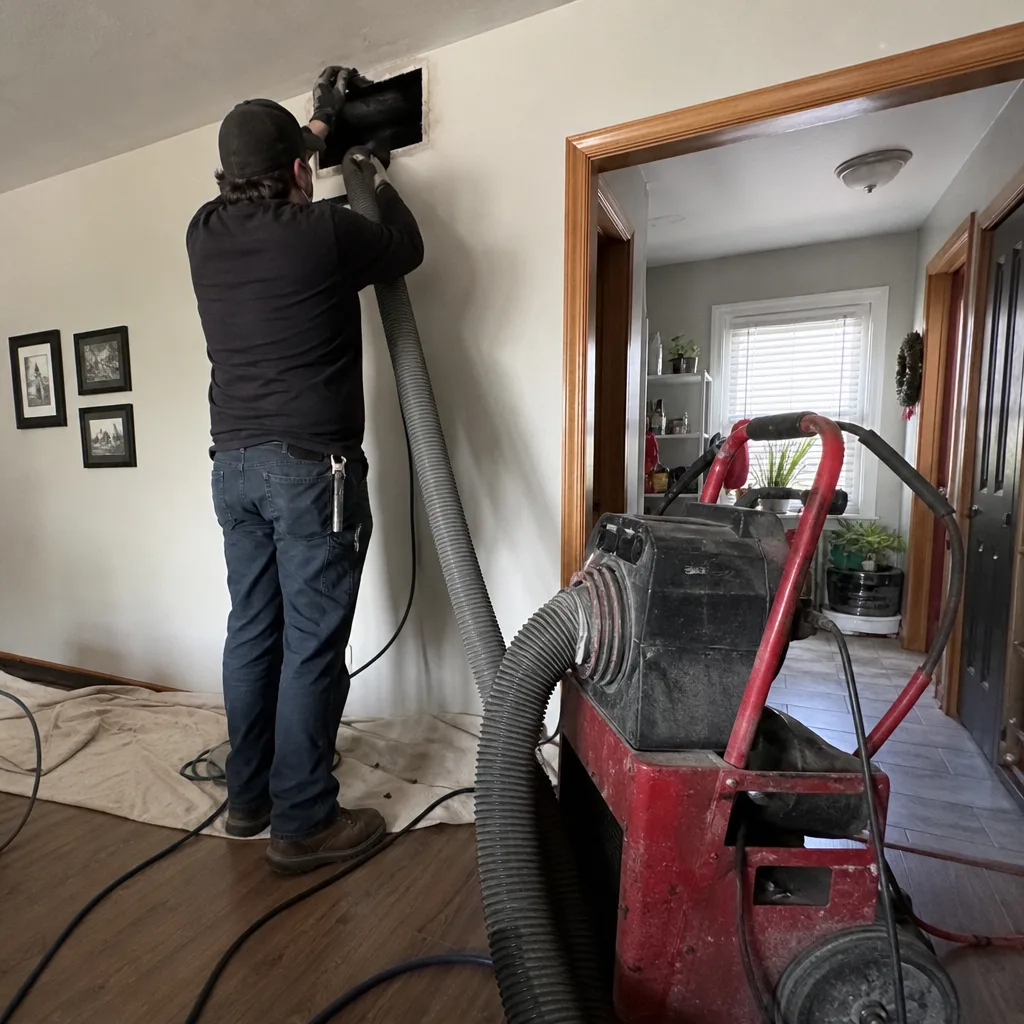
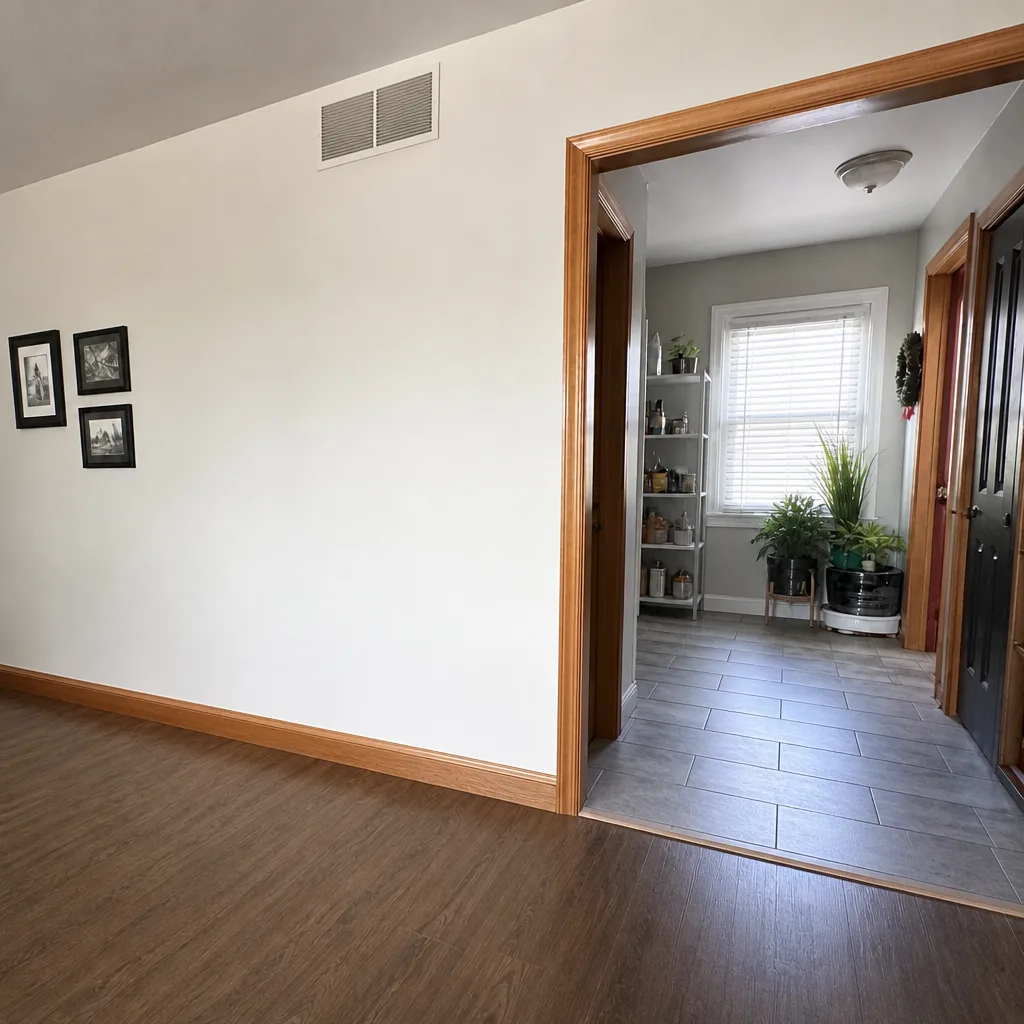
This is where the field gets murky for homeowners. Duct cleaning technicians with a rotary brush and a negative-air unit can do genuine, valuable work. They can identify problems, document them with before-and-after photos, and explain what they found. What they cannot do, without the appropriate license and permit, is perform the repairs that often follow. If a cleaning company hands you a proposal that includes “sealing 40 feet of disconnected trunk line” as part of the cleaning invoice, ask to see the license and the permit. If there isn’t one, the work shouldn’t proceed.
The distinction isn’t a technicality. It protects you in three concrete ways:
- Code compliance: Licensed HVAC contractors work to Utah’s adopted mechanical code. Unpermitted work may fail on sealing standards, support spacing, or material compatibility.
- Insurance validation: If a duct-related issue later leads to a claim, the adjuster will ask whether the work was permitted and inspected. Unpermitted modification can be a legitimate reason to deny or reduce a claim.
- Resale documentation: A buyer’s home inspector will flag unpermitted mechanical work. It becomes a negotiation issue at exactly the wrong moment.
We connect Orem homeowners with local professionals who understand this line and respect it. Our air duct cleaning and inspection work is separate from the licensed repair work that follows, and we’ll always be clear about which side of the line a job sits on. Our technicians have up to 10 years of experience, and they know when to recommend escalation rather than doing something in the gray zone themselves.
Why Improper Duct Sealing Can Affect an Insurance Claim
Improper duct sealing can affect a homeowner’s insurance claim when the sealing work caused or contributed to the loss being claimed. If duct tape was used instead of code-approved mastic on a plenum joint, or if a sealing product wasn’t rated for the temperature of the system, the failure can look like a maintenance issue the insurer did not agree to cover. Duct tape has become shorthand for ductwork repair, but it fails quickly on hot plenums, and an insurer reviewing the claim can reasonably ask why the work was done the way it was.
What actually happens during a claim review is more deliberate than most homeowners expect. The adjuster looks at three things when duct work is involved:
- Was the work performed by a licensed contractor? If the repair was part of a permit-required scope, an unlicensed job is a red flag.
- Was the work inspected? A permit closes with an inspection sign-off. No permit means no inspection, which means no objective record of what was actually done.
- Does the material specification match the application? Mastic, foil tape, and mesh tape each have specific applications. A product rated for the wrong temperature or use case can fail and look like negligence.
The frustrating part is that the sealing itself might have been fine and the loss might have been unrelated. But without a permit trail and inspection, the burden shifts to you to prove the work was done correctly. That’s a much harder position than producing a signed inspection from Orem City.
There’s a related issue on the positive side. Some homeowners assume duct sealing reduces the scope of what insurance will cover in a water loss because the system is airtight and pushes moisture somewhere unexpected. That’s the opposite of how it usually plays out. Proper sealing reduces leakage into unconditioned space, which is a good outcome for the home. The risk isn’t the sealing itself. It’s the sealing that wasn’t done right and wasn’t inspected.
What a Certificate of Occupancy Inspection Checks About Ducts
A Certificate of Occupancy inspection in Orem checks that the duct system as installed matches what was permitted, that joints are sealed to the code cycle in force at the time of construction, and that the system delivers air where the design drawings say it should. It is a construction verification, not a cleaning inspection. The inspector is confirming the mechanical contractor built what the plans specified, not whether the ducts have accumulated debris over the years.
When a newly purchased Orem home was recently built or substantially remodeled, the buyer should have the CO on file. It’s a one-page document that tells you the building department already walked the property and signed off. That’s useful protection, but it comes with a limit most buyers don’t realize: the CO date reflects the code cycle the home was permitted under. A home built under an earlier cycle may have ductwork that was compliant then and looks outdated now. It’s not a defect. It’s just older.
The CO inspection focuses on these duct-related items:
- Physical installation: Duct runs match the permitted drawings for size, routing, and material.
- Support and strapping: Ducts are supported at required intervals and not crushed against structural members.
- Joint sealing: Joints, seams, and penetrations are sealed to the standard in force at permit time.
- Clearance to combustibles: Ducts maintain required distance from heat sources.
- Register and grille placement: Supply and return locations match the design.
What the CO inspection does not check is interior cleanliness. A brand-new home can pass its CO with construction debris still in the ducts. That’s why new homes in Orem often benefit from a first post-construction cleaning: drywall dust, framing sawdust, and small construction fragments settle into the ductwork during the build and get pushed into living spaces once the system first runs. That’s a cleaning scope, not a code issue, and no permit applies.
Code-Compliant Encapsulation vs. Warranties
Encapsulation products that seal and protect duct interiors must be compatible with the HVAC manufacturer’s specifications to keep the equipment warranty intact. A code-compliant encapsulation product satisfies the building code’s requirements for duct lining and coating. A warranty-compatible product also satisfies the equipment manufacturer’s spec for what materials can come into contact with their system. They’re not always the same thing, and a product that passes one test can void the other.
The warranty piece is the one homeowners miss. When your furnace or air handler is under warranty, the manufacturer’s coverage often contains language about what materials can be applied to the connected ductwork. Some coatings are rated for sheet metal interiors but not for flex duct. Others are compatible with flex duct but not approved for use downstream of certain heat exchangers. Not every cleaning company checks this before applying a post-cleaning encapsulation product, and not every encapsulation product carries manufacturer compatibility language at all.
When evaluating a coating or sealing proposal for an Orem home, ask these questions before signing:
- What product is being applied? Get the brand and product name in writing. We use Guardsman products for sanitizing and internal duct coating, and the specification sheet should be available for review.
- Is it rated for the duct material in your system? Sheet metal, flex duct, duct board, and fiberglass-lined duct each have different compatibility specs.
- Is it rated for the temperature at the application point? Supply plenums and heat-exchanger downstream ducts run hot. Not every coating is temperature-rated for those locations.
- Will it affect your equipment warranty? Call the equipment manufacturer or check the warranty language directly. A reputable installer won’t object.
- Is it code-compliant for occupied spaces? Look for language confirming the product is rated for use in residential duct systems serving occupied space.
- Is the work documented? Before-and-after photos and the product spec sheet should be part of the job record.
The core principle: encapsulation is a defensible step when the product spec, the duct material, and the equipment warranty all align. When they don’t, you can end up with a coating that voids the warranty on a system that’s still under coverage. That’s a much more expensive mistake than skipping the encapsulation.
The Inspection Sequence for Duct Work in Orem
Duct repair and modification work in Orem typically runs through a defined inspection sequence once a permit is pulled. The sequence is straightforward, and understanding it removes the uncertainty. Here’s how a permitted duct job generally proceeds:
- Permit application: The licensed contractor submits the scope, drawings, and equipment specifications to Orem City. Duct work is filed as part of the mechanical permit.
- Pre-inspection: For larger projects, the inspector walks the job before work begins to confirm the plan matches the permit. Not every residential duct job requires this step.
- Rough-in inspection: After ducts are installed but before ceilings and walls close, the inspector checks installation, support, sealing, and clearance to combustibles. This is the most important inspection for duct work because so much of it can’t be seen afterward.
- Final inspection: After the system is complete and operational, the inspector confirms the duct system delivers air as designed and the install matches the permit.
- Permit close-out: Sign-off closes the permit. The signature becomes part of the property record and is available for future inspection or resale.
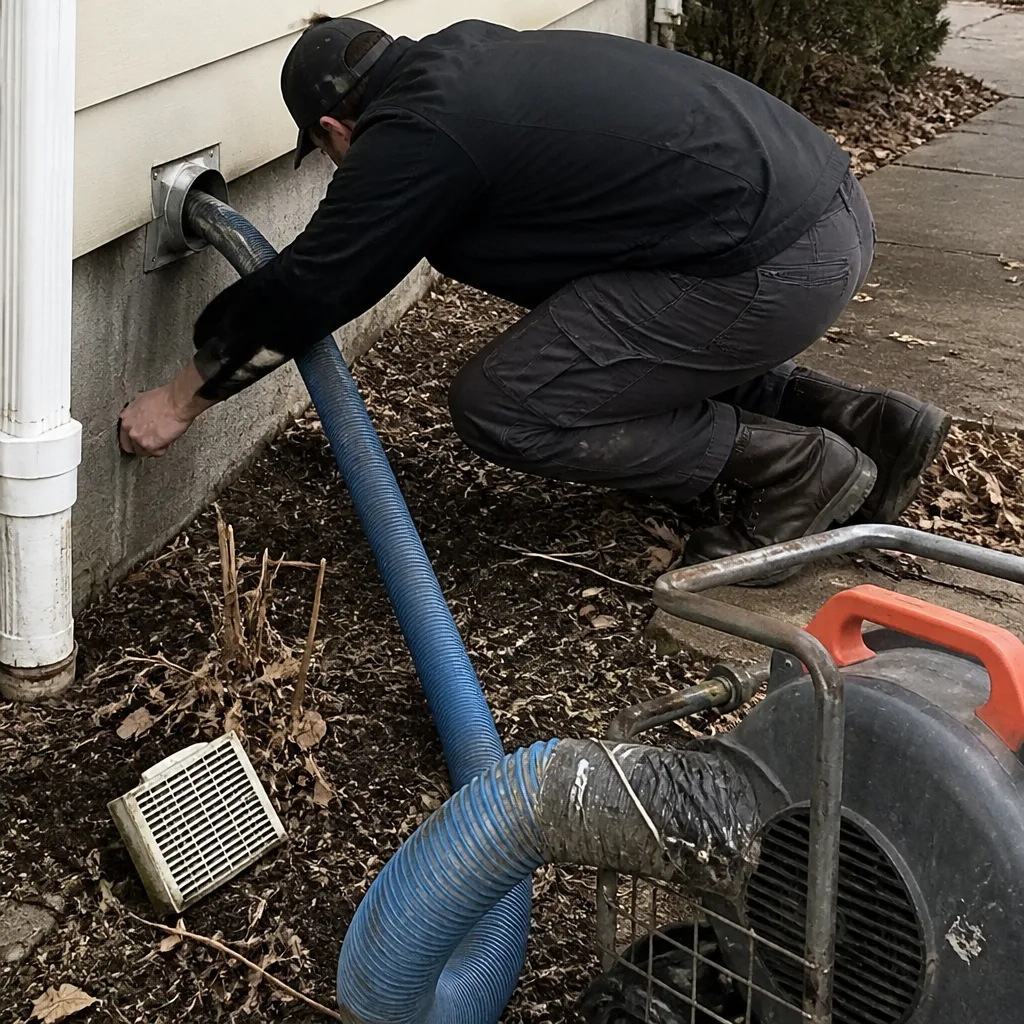
Cleaning, by contrast, runs through a much simpler sequence. There’s no permit and no inspection. That’s why we document the process heavily with photos and a written summary of what we found. Without a city inspector involved, the photo record is the objective evidence that the work happened and that anything requiring a permit was properly escalated.
The equipment that makes that documentation credible is the equipment itself. We run HVAC cleaning with Abatement Technologies HEPA filtration units because contamination control during the job is as important as what the ducts look like after. Nikro negative-air units pull dislodged debris at the source, which means the debris ends up in the extraction equipment instead of circulating through the home. That’s not a permit issue, but it’s the same underlying mind-set: if you’re going to do regulated work, do it to the standard. If you’re going to do maintenance work, document it like a professional would.
Common Mistakes to Avoid
- Assuming cleaning and repair live on the same invoice. Cleaning is maintenance, repair is construction, and mixing the two on one invoice without flagging the permit question is how unpermitted work starts. Ask any contractor who proposes both in one visit to break out which line items are permits and which aren’t.
- Accepting “we don’t need a permit for this” without checking. Some repair work genuinely doesn’t require a permit. Some does. The contractor’s word alone isn’t documentation. Orem City’s building department will confirm the scope in a short phone call.
- Letting a cleaning crew apply encapsulation without checking the product spec. A coating that passes the code test can still void an HVAC manufacturer warranty. Get the product name in writing before anyone opens a container.
- Skipping the post-construction cleaning in a new Orem home. A fresh CO does not mean the ducts are clean. Drywall dust and construction fragments sit in the system until someone extracts them.
- Using duct tape for plenum sealing. Duct tape fails on hot plenums within months. Code-approved mastic is the standard, and an unpermitted duct tape repair is the kind of shortcut that shows up in an insurance review.
- Treating a Certificate of Occupancy as a cleaning report. The CO verifies installation, not ongoing system condition. If you’re buying a home with a recent CO, plan a first cleaning anyway.
- Not asking where a contractor’s scope ends. If a cleaning technician recommends a repair, ask directly whether that repair requires a permit and whether the company holds a license for it. The answer should be immediate and clear.
See the difference
 Before
 After
 Before
 After
 Before
 After
When to Call a Professional
Call a professional when a duct cleaning inspection turns up separated joints, crushed runs, or disconnected trunk lines, and the recommendation moves from cleaning into repair. Call when you’re buying an Orem home and aren’t sure whether the ductwork was modified after the Certificate of Occupancy was issued. Call when a proposed encapsulation product has no product specification sheet, or when the equipment warranty status is unclear. Call when airflow is uneven from room to room and you don’t know if the problem is dirt, sealing, or design. And call when you’re coordinating a post-construction cleaning in a new build and want the ducts clean before you move in. Orem Air Duct Cleaning offers free estimates in Orem. Call (855) 726-7143. We answer 24/7. Fast dispatch from 7am to 7pm, Sunday through Friday.
Our dryer vent cleaning and duct repair and sealing work are separate scopes from cleaning and from HVAC modification, and we’ll tell you plainly which side of the permit line each one falls into. Our technicians have up to 10 years of experience and know when to recommend escalation to a licensed HVAC contractor rather than touching work that requires a permit.
Frequently Asked Questions
No. Air duct cleaning does not require a permit in Orem because it’s classified as maintenance rather than construction. The permit question only comes up when the work moves into duct repair, replacement, or any change that alters the HVAC system’s design. If a contractor tells you a cleaning scope needs a permit, ask for clarification on what part of the work they’re planning. Call (855) 726-7143 for an exact cleaning quote. Estimates are free.
Air duct cleaning in Orem is priced per system by written estimate, not per vent or per coupon. Whole-system pricing depends on the number of supply and return runs, the system’s size and age, and how much debris has accumulated. That’s why per-vent coupons tend to lead to larger invoices. We give one flat price per system agreed before work starts, and the estimate is free. Call (855) 726-7143 to schedule one.
Cheap quotes are usually built on a per-vent price that doesn’t cover the actual scope, then expand into a larger invoice once the technician is on site. Professional-grade equipment matters: rotary-brush agitation with negative-air extraction is a different job than running a shop vac through each register. Ask what equipment the contractor uses and get a written, per-system price before anyone books the visit. Call (855) 726-7143 for a written estimate you can compare against other bids.
Yes, if the sealing product isn’t compatible with the equipment manufacturer’s specification. Some coatings are rated for sheet metal but not flex duct, and others aren’t approved for high-temperature locations like the supply plenum. Before any encapsulation or sealing work, get the product name and specification sheet in writing and confirm compatibility with your equipment warranty. Call (855) 726-7143 to discuss what products are appropriate for your Orem home. Estimates are free.
No. A Certificate of Occupancy confirms the duct system was installed as permitted and matches the design. It says nothing about interior cleanliness. A newly built Orem home can pass its CO with construction debris still in the ducts, which is why a first post-construction cleaning is worth doing. Call (855) 726-7143 if you’re moving into a new build and want the ducts clean before you unpack.
Most Orem homes benefit from cleaning every three to five years, sooner after a remodel, a new build, a pet added to the home, or a visible dust issue at the registers. The interval isn’t a code requirement; it’s a maintenance recommendation based on system use and indoor conditions. If you’re unsure whether your system is due, an inspection settles it. Call (855) 726-7143 to schedule one. Estimates are free.
The Bottom Line
Duct cleaning in Orem is maintenance and doesn’t require a permit. Duct repair, replacement, or any modification that changes the HVAC system’s design does fall under Orem City permit rules and requires a licensed contractor. The distinction matters at resale, during an insurance claim, and when an encapsulation product turns out to be incompatible with an HVAC manufacturer warranty. Understanding where the line sits is your protection against unpermitted work. Whether you need Orem Air Duct Cleaning for routine maintenance or a documented inspection after a repair, we’re clear about what falls on which side of the permit line. Call (855) 726-7143 for a free estimate. We answer 24/7. Fast dispatch from 7am to 7pm, Sunday through Friday.
Written by the team at Orem Air Duct Cleaning.